Sign up with Google
 Sign in with Zoho
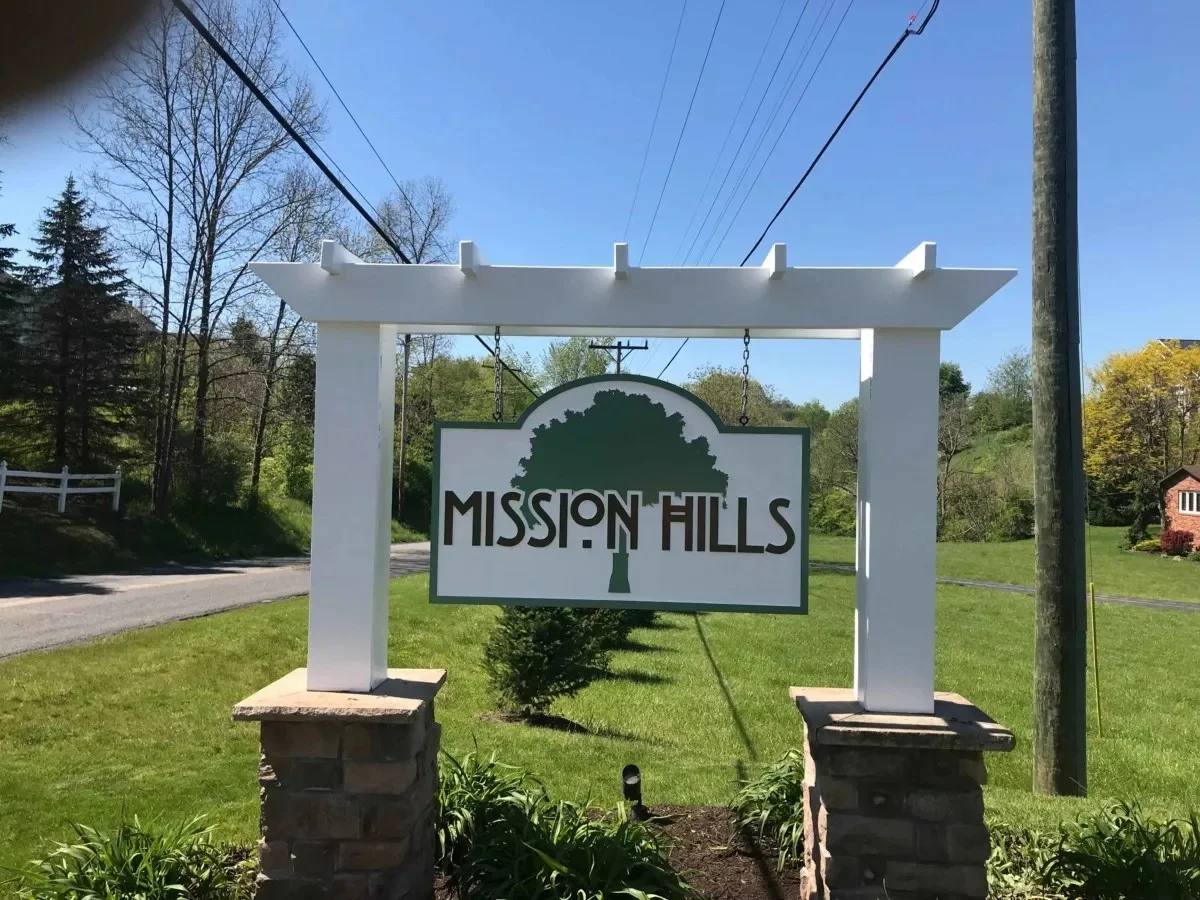
Great buildings are shaped by thoughtful details. Among the most important, and often overlooked, are the signs that help people understand and move through a space.
Architectural signs bring together form and function. They guide visitors, meet regulations, and add a refined layer of design that complements the structure around them.
What Are Architectural Signs?
Architectural signs are interior and exterior sign systems designed to integrate with a building’s look and layout. Unlike generic signs, they follow a consistent design language that matches the space.
They include room identification, directional markers, directories, dimensional lettering, and code-required notices.
How They Differ From Standard Signs
Standard signs often prioritize low cost and speed. Architectural signage prioritizes cohesion, durability, and craftsmanship, so every piece feels like part of one system.
Why Architectural Signage Matters
A building can be beautiful and still confusing. Without clear signage, visitors feel lost, staff lose time answering questions, and the experience suffers.
Well-planned signs solve these problems while elevating the overall appearance of the property.
Clear Wayfinding
Directional signs, floor maps, and room numbers help people reach their destination with confidence. This is essential in hospitals, universities, hotels, and large office buildings.
Brand Consistency
When fonts, colors, and finishes remain uniform across a facility, your brand feels organized and professional. Visitors notice this even if they cannot explain why.
Regulatory Compliance
Many spaces must follow accessibility standards, including tactile lettering, Braille, and proper mounting heights. Architectural sign systems are designed with these requirements in mind.
Popular Types of Architectural Signs
Each type serves a distinct purpose within a larger system.
Room Identification Signs
These mark offices, conference rooms, classrooms, and restrooms. They often include interchangeable inserts so names can be updated without replacing the whole sign.
Directional and Overhead Signs
Hanging and wall-mounted signs point visitors toward key areas. Arrows, icons, and concise text keep them readable at a glance.
Directories
Lobby directories list tenants, departments, or floors in one convenient place. Digital versions offer easy updates, while static ones deliver a classic, permanent look.
Dimensional Letters and Logos
Cut metal or acrylic lettering adds depth and shadow. Placed in lobbies or on facades, these elements create memorable focal points.
Donor and Recognition Walls
Schools, hospitals, and nonprofits use these displays to honor supporters. Thoughtful design turns names into a meaningful tribute.
Materials That Elevate the Look
Material selection shapes both appearance and durability. The right mix should reflect the building’s character.
- Brushed aluminum: Lightweight, versatile, and resistant to wear.
- Stainless steel: Sleek and strong, ideal for modern or corporate spaces.
- Bronze and brass: Add a traditional, prestigious feel.
- Acrylic: Offers color variety and crisp edges.
- Wood: Brings warmth to hospitality and wellness settings.
- Glass: Creates a light, contemporary impression.
Combining materials can add richness, such as metal lettering on a wood panel.
Design Principles for Better Signage
Strong signage systems follow simple but important rules.
Prioritize Legibility
Choose clean typefaces and strong contrast. Fancy styling should never come at the expense of readability.
Establish a Hierarchy
Primary messages like building names should stand out, while secondary information remains smaller and simpler. This helps viewers process details quickly.
Plan the Entire System
Design the full set of signs together rather than one at a time. A unified plan avoids mismatched pieces and saves money in the long run.
Think About Placement
Signs should be easy to see at natural decision points, such as corridor intersections and entrances. Consistent mounting heights improve both comfort and compliance.
Why Local Expertise Helps
Pittsburgh’s mix of historic buildings, modern offices, universities, and healthcare campuses creates varied signage needs. A local provider understands these environments and can adapt designs accordingly.
When researching architectural signs Pittsburgh property managers can rely on, look for a team that offers site surveys, design proofs, and professional installation.
Excel Signworks is one local company that supports projects from early planning through final installation, helping organizations create cohesive and compliant sign systems.
Questions to Ask Before You Commit
A clear conversation at the start prevents surprises later. Consider asking the following.
- Can I review mockups before fabrication?
- How will signs be mounted and protected from damage?
- Are ADA requirements built into the design?
- What is the production and installation timeline?
- Is there support for future updates or additions?
A trustworthy provider will answer openly and offer practical recommendations.
Caring for Your Signs
Maintenance is simple. Dust regularly, and use gentle cleaners that will not scratch or fade finishes.
Inspect mounting hardware from time to time, especially in high-traffic areas. Replace damaged pieces quickly to keep the system looking consistent.
Final Thoughts
Architectural signage is a quiet but powerful part of a building’s identity. It improves navigation, supports accessibility, and expresses brand values through thoughtful design.
By planning the entire system, choosing durable materials, and working with an experienced partner, you can create signage that serves your building and your visitors for years.
Frequently Asked Questions
1. What makes a sign architectural?
An architectural sign is designed to match a building’s style and function as part of a cohesive system. It typically emphasizes quality materials, clean design, and consistent placement.
2. Are architectural signs required to be ADA compliant?
Permanent room identification signs generally must include tactile characters, Braille, and proper contrast and mounting heights. Your sign provider can confirm which rules apply.
3. How long does an architectural signage project take?
Most projects take several weeks, depending on the number of signs, design approvals, and fabrication complexity. Large campuses may need longer.
4. Can signs be updated after installation?
Yes. Many systems use replaceable inserts or modular components, making it easy to change names, titles, or room details.
5. What materials last the longest?
Metals such as aluminum, stainless steel, and bronze are highly durable. Quality acrylic and glass also perform well in indoor environments with proper care.