Sign up with Google
 Sign in with Zoho
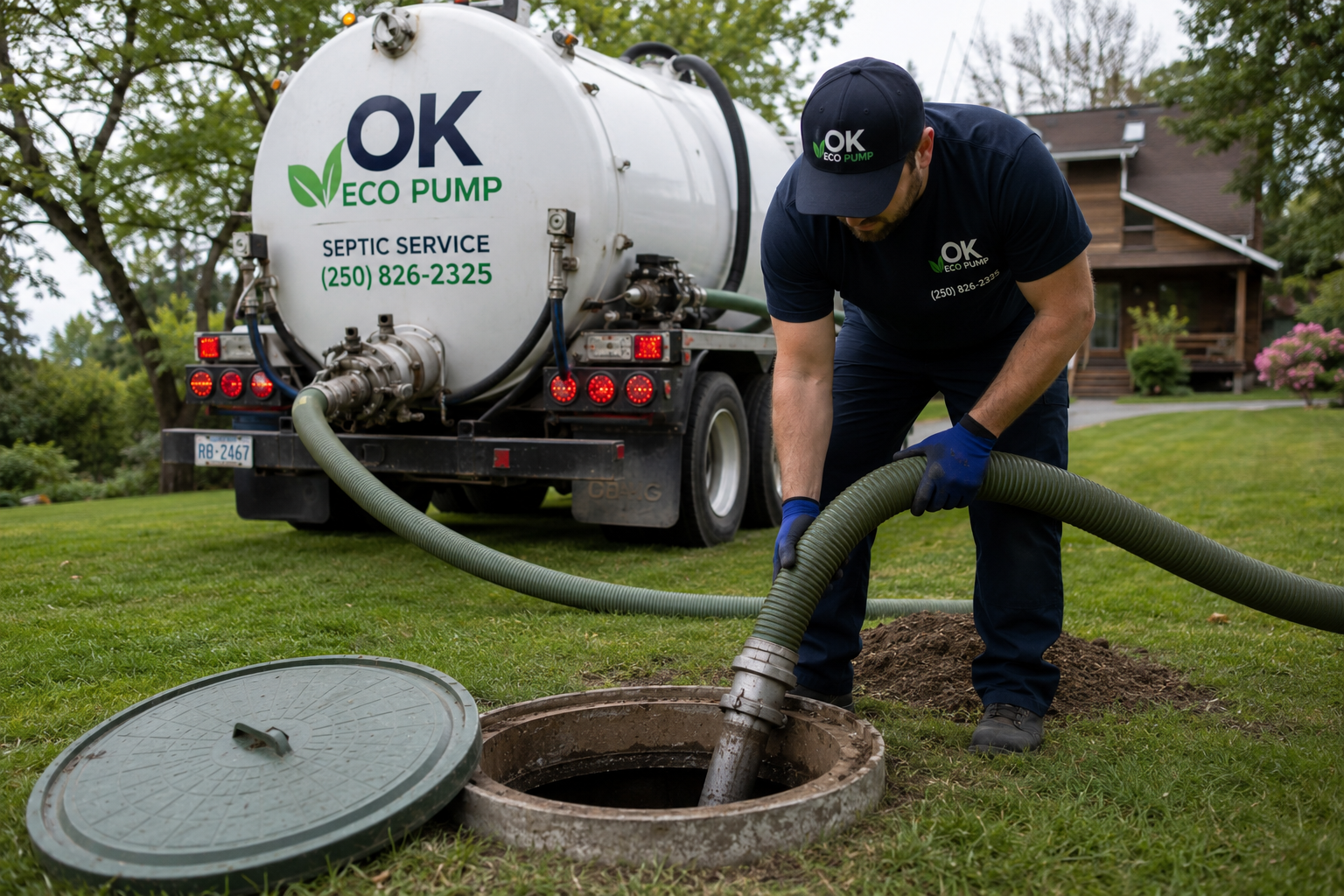
Controlling numerous vehicles demands proper management of their assignments, availability, and schedule. The connected applications allow businesses to manage this information centrally through a dedicated management dashboard. Dispatchers can analyze the efficiency of usage, check the assignment details, and coordinate transportation tasks depending on evolving needs. This is especially important for businesses making special deliveries and service visits.
Communication within various departments can also become more streamlined. When the necessary people have access to current operational information, the coordination of responsibilities is simplified. This avoids the need for fragmented Excel spreadsheets and fragmented lines of communication.
Improving the value of information obtained from vehicles
Today’s connected devices are capable of gathering various types of information via sensors and vehicle communication systems. The data may vary based on the type of sensors and communication interface installed, including engine temperature, battery efficiency, tire pressure, mileage, and other diagnostics. Analyzing all these factors enables technical personnel to gain valuable insight into the vehicle’s condition and potential issues.
This data can be used in maintenance planning. Instead of applying an equal maintenance schedule to all vehicles in their fleet, businesses could take into account such factors as mileage and conditions under which vehicles operate, along with diagnostic information gathered from the vehicle.
Better allocation decisions
There are several costs related to transportation, such as vehicle wear and tear, maintenance costs, fuel consumption, and labour. The fleet management telematics solutions offer reporting capabilities that enable managers to assess the current utilization of transportation assets. Data on the time of trip, distance travelled, times of idling, and overall vehicle utilization may give managers an idea where operational changes can be made to increase efficiency.
This information can also be helpful for vehicle allocation evaluation. In fact, managers will be able to observe usage trends and determine which vehicles are being used less frequently than others. This can contribute to better decision-making that will ensure more efficient utilization of available transport assets.
Promoting safer driving through performance monitoring
Driver data is yet another approach to assess fleet performance. Based on the connected devices, systems can log incidents of hard braking, fast acceleration, and speeding. Analysis of such data will enable management to spot repetitive behaviour of the drivers and organize adequate training sessions for them. Rather than depending on generic remarks alone, the company will be able to address the issue of particular behaviour.
Plugging in connected fleet operation systems.
Choice of the right technology calls for due diligence in terms of goals, vehicle compatibility, reporting capabilities, and security of information. The integration of fleet management telematics solutions with current business applications is another essential consideration aimed at avoiding unnecessary management problems.
With continuous advancement in digital transport networks, connected management software has become an asset for businesses. The capacity of connected management software to integrate operational data, vehicle data, and report generation allows companies to make sound decisions. Through the use of a good implementation plan, companies will be able to have better coordination in transport operations.
To know more about eld providers, please visit our website: etrucks.com