Sign up with Google
 Sign in with Zoho

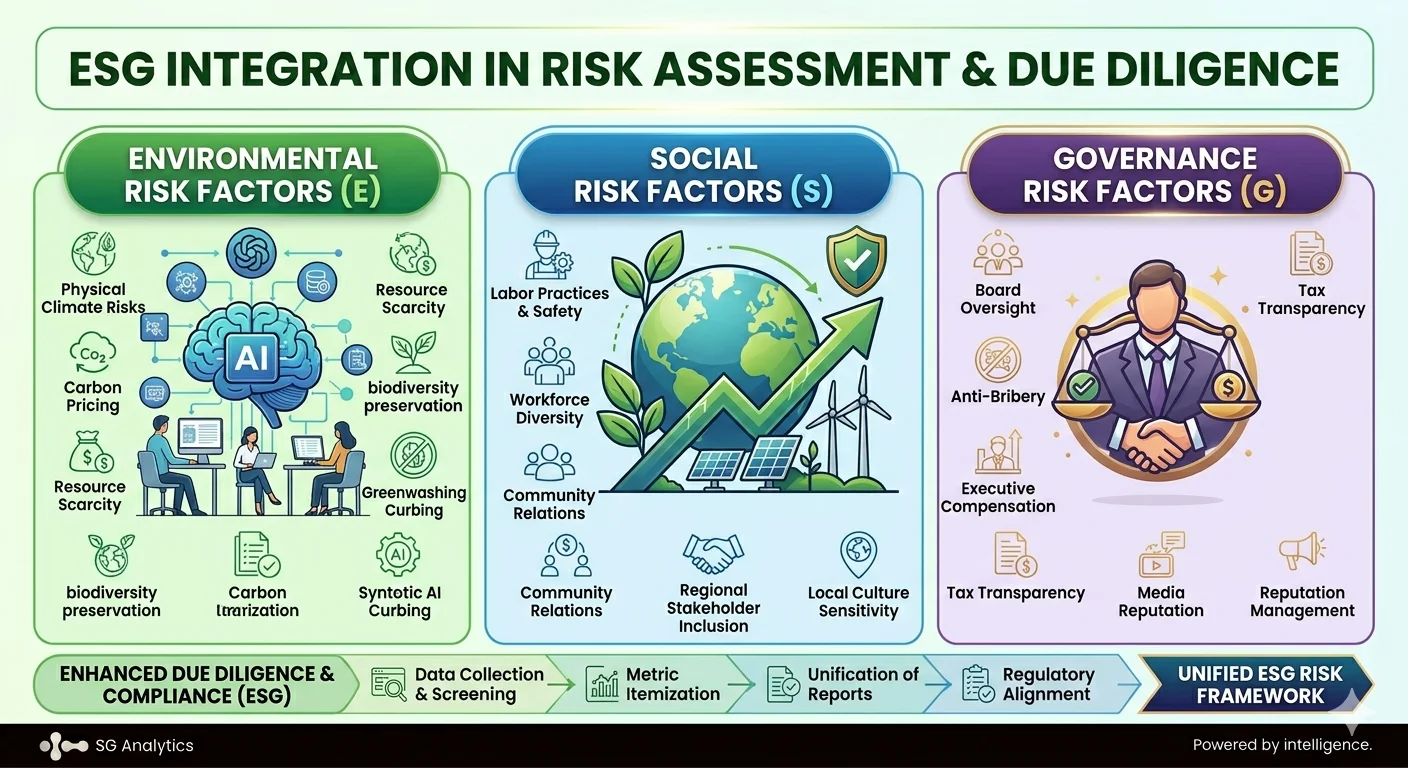
Environmental, social, and governance (ESG) metrics and related company databases are impacting investors’ expectations from private equity portfolios. To them, profits and the impact of companies on social and natural systems are equally important. As a result, financial advisory providers have integrated ESG-inspired investment strategies. This post will outline the role of ESG and sustainability data in private equity.
How ESG Functions Like a Deal Sourcing Filter in Private Equity
Private equity (PE) investors leverage ESG-based screening. Therefore, they proactively avoid companies with poor governance structures. From high carbon emissions to weak labor practices, several ESG non-compliant characteristics decrease related metrics. So, companies with low ESG scores struggle more to gain funds from eco-conscious investment firms or high-net-worth individuals.
TPG, in partnership with Bono and Jeff Skoll, has its Rise Funds. Since 2016, it has pursued impact-first investing philosophies. This approach requires measurable social and environmental returns. For corporate leaders, this makes embracing ESG solutions for private companies a strategic priority. Such funds support those organizations that contribute to education, climate action, green tech, and individuals’ well-being.
The Role of ESG in PE Investment Decision-Making
1. Complying with Broader Regulatory Changes
Regulation makes it necessary to adopt ESG since it lets companies and PE firms unify their reporting on multiple compliance norms. They must frequently evaluate in-house and third-party corporate disclosures. Think of scope 3 emissions, where organizations must be mindful of carbon emissions from supply chain stakeholders. Similarly, there are labor rights implementations, biodiversity preservation rules, and transparent accounting standards. ESG allows comprehensive assessments of all these obligations.
2. Operational Improvements
ESG integration allows private equity analysts to document all tangible operational benefits. Additionally, it equips firms with adequate standardization. So, decision-makers can swiftly explore where improvements are due and compare workflows. Moreover, private equity portfolio management services aimed at energy efficiency, responsible waste disposal, and employee welfare-embracing brands offer investors green alternatives with impressive ROI potential. Such operations-focused reporting with impact insights engages ethical investment enthusiasts.
3. Risk Mitigation
Risk management via ESG metrics and reports involves addressing compliance threats such as deforestation due to industrial activities. By tapping into a carbon offset strategy, where brands work toward reducing their effective carbon footprint with sustainability initiatives, risk mitigation can proceed. ESG criteria will allow detailed insights into whether those initiatives actually reduce total emissions. From a private equity investment standpoint, the key use case will be identifying greenwashing attempts.
4. Exit Valuations
PE firms facilitate ownership changes, but entering and exiting a deal must be done after a thoughtful review of valuation. Today, strategic acquirers and other public market participants are considering sustainability performance integral to valuation. So, building portfolios and participating in corporate transactions of highly ESG-compliant companies can be more rewarding to private equity firms. At the time of exit, PE teams can form better narratives to communicate with impact investors and industry peers.
Conclusion
Private equity players want to engage with ethical organizations with robust ESG compliance and sustainability metrics. They have a legitimate interest in how portfolio companies meet carbon reduction, inclusivity, and governance goals. Therefore, from benchmarking to valuation, ESG insights are sought by more firms and philanthropic investors. They are here to stay and guide the leaders on sustainable business development for years to come.