Sign up with Google
 Sign in with Zoho

A medical team can bring doctors, medicines and diagnostic equipment to a remote village. But none of that answers a question that should be settled before the journey begins.
Where will everyone work?
A classroom might be available. Perhaps there's a community hall or enough open ground to pitch a tent. At first glance, any of these could work.
Then the practical questions begin. Where will patients wait in the heat? How will staff wash their hands? What happens if the power fails during a consultation?
A temporary medical outreach site doesn't need to resemble a permanent hospital. It does need the basic conditions that allow healthcare workers to do their jobs safely.
Walk Through the Site Before Setting Up
Choosing a location based only on available space can create problems later.
Start with access. Can patients reach the site without crossing difficult terrain? Will an ambulance or supply vehicle be able to enter? Could heavy rain make the approach unusable?
Next, think about how people will move through the clinic.
Registration should not block the examination area. Patients need somewhere to sit while waiting. Consultations that involve private information require a space where conversations cannot easily be overheard.
Even a simple layout drawn on paper can reveal problems before equipment is unloaded.
The important question isn't how many people can fit inside. It's whether patients and staff can move through the site without unnecessary crowding or confusion.
Don't Assume Electricity Will Be Available
A borrowed building may have electrical sockets, but that doesn't guarantee dependable power.
Before the visit, list every device that requires electricity. Include examination lights, communications equipment and any diagnostic devices planned for the outreach session.
If vaccines or medicines require temperature-controlled storage, their specific handling requirements must be addressed separately. A general-purpose refrigerator or an unverified power source may not be suitable.
The WHO framework for water, sanitation, hygiene and electricity in healthcare facilities identifies reliable electricity as part of the infrastructure needed for quality care.
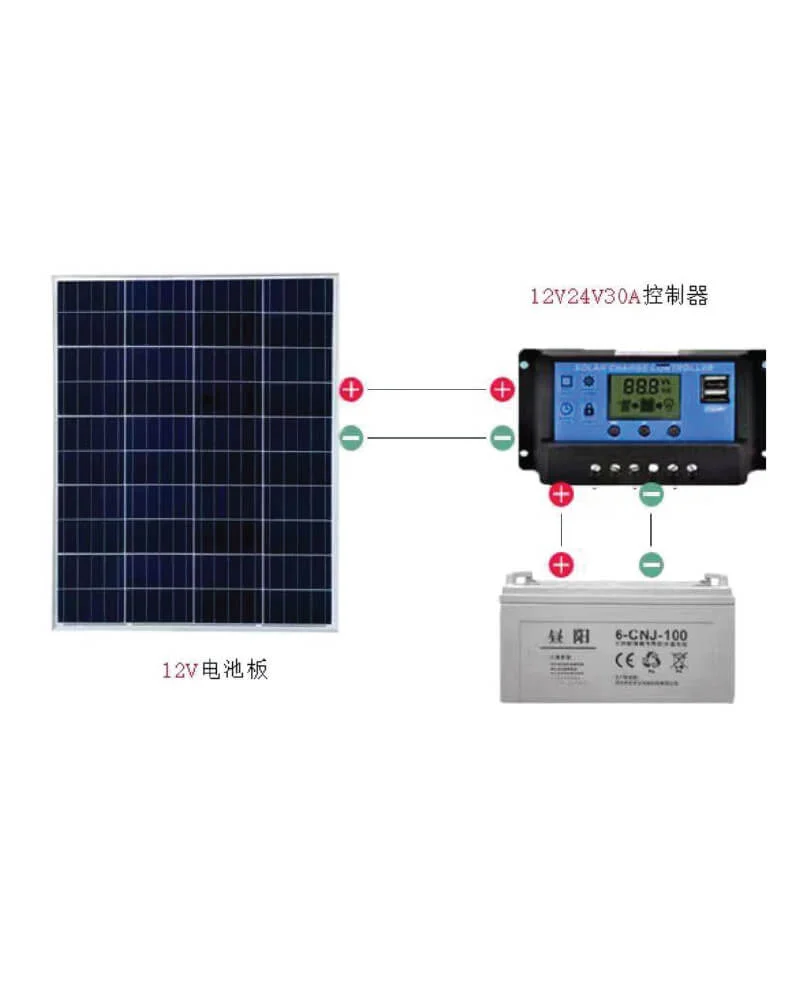
Solar power can be worth considering at sites without reliable grid access. Still, the system must be sized for the equipment, expected operating hours and available battery capacity.
A backup plan matters just as much as the primary power source.
Shade and Privacy Are Part of Patient Care
A tent provides shelter, but its usefulness depends on the weather, ventilation and how securely it is installed.
In hot conditions, patients may spend longer waiting than receiving treatment. A shaded waiting area can make that experience more manageable, particularly for older people and those who are unwell.
Staff also need a comfortable place to work. Poor airflow and direct sunlight can make long outreach sessions difficult.
Privacy deserves equal attention.
A curtain or partition can help separate examination areas from registration and waiting spaces. The arrangement should suit the services being provided and protect conversations about personal health.
Shelter is not simply about keeping the rain out. It shapes the way patients experience care.
Water Cannot Be an Afterthought
It is easy to assume that water will be available somewhere nearby.
That assumption can leave an outreach team without suitable facilities for handwashing, cleaning or sanitation.
Before opening the site, confirm the water source and whether the supply is appropriate for its intended uses. Plan safe storage if water must be brought in.
Hand hygiene facilities should be available where care is delivered. Teams also need suitable arrangements for toilets, environmental cleaning, sharps and other healthcare waste.
The WHO's WASH FIT practical guide provides a framework for assessing water, sanitation, hygiene and waste management in healthcare facilities.
For a temporary site, the same planning principle applies: someone must be responsible for making these services available and checking that they remain functional throughout the visit.
Choose the Shelter That Matches the Programme
Not every outreach programme needs a purpose-built structure.
For an occasional consultation camp, a properly installed tent or suitable community room may be sufficient. These options can make sense when the team visits briefly and the site meets clinical requirements.
A programme that returns regularly may have different needs.
Repeatedly moving equipment, arranging temporary shelter and setting up utilities can become difficult to manage.
For longer-term outreach, prefabricated solar-powered clinic units offer another option to consider alongside borrowed buildings and conventional construction.
That doesn't make a modular structure the right choice everywhere. The decision still depends on site access, service requirements, water availability, maintenance arrangements and available funding.
The structure should fit the healthcare programme, not the other way around.
Plan for What Happens After Setup
Before the first patient arrives, give someone responsibility for checking electricity, water, sanitation, equipment storage and weather conditions.
Agree on what should happen if a critical service fails.
A temporary clinic may only operate for a day, but that doesn't make its infrastructure unimportant.
Bringing healthcare to a community is one challenge. Creating a safe place to deliver it is another.
And once the site is ready, attention turns to the equipment travelling with the team. Instruments need suitable storage, handling and reprocessing arrangements long before they reach the outreach location.