Sign up with Google
 Sign in with Zoho

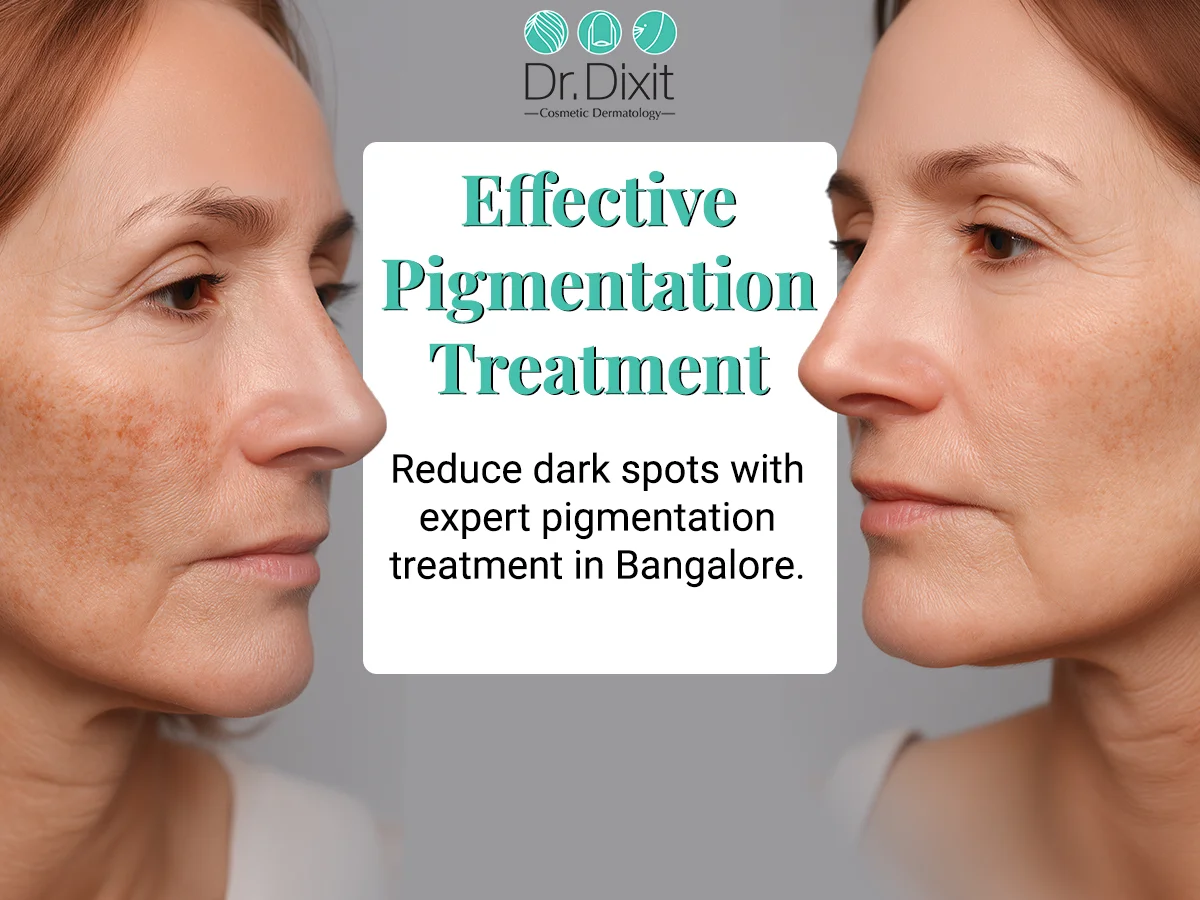
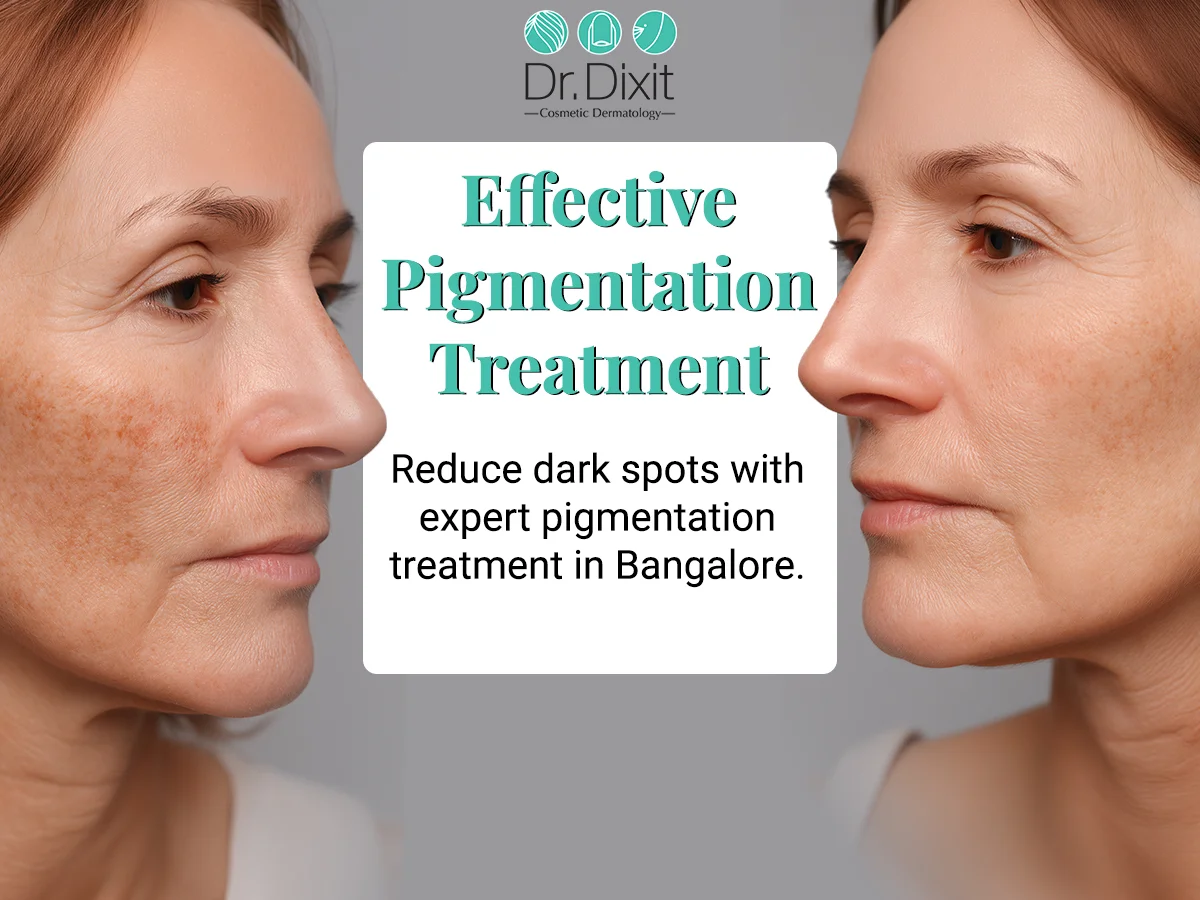
Dark spots, uneven skin tone, and patches that keep coming back despite creams and home remedies are something a large number of people in India deal with. The frustration is real, and so is the reason: Indian skin has specific characteristics that make pigmentation more likely to form, more resistant to treatment, and more prone to returning if not managed correctly. If you have been searching for reliable pigmentation treatment in Bangalore, understanding why your skin behaves the way it does is the starting point for finding what actually works.
Why Indian Skin Is More Prone to Pigmentation
Indian skin falls in the middle-to-darker range of the Fitzpatrick skin type scale (Types III to V). This means the skin naturally contains more active melanocytes, the cells responsible for producing melanin, the pigment that gives skin its colour.
More active melanocytes are a protective feature; they produce melanin in response to UV and inflammatory triggers to shield the skin from damage. But this response is also overactive. Indian skin tends to produce melanin in excess when triggered, whether by sun, acne, or hormonal changes, and that excess shows up as dark spots, patches, or uneven tone.
This is not a flaw. It is the skin's defence system working harder than usual. The clinical implication is that treating pigmentation on Indian skin requires more caution, more precision, and a more personalised approach than lighter skin types.
The Most Common Triggers
Pigmentation in Indian skin is rarely caused by a single factor. The most frequent triggers include:
UV exposure: Even Bangalore's moderate climate involves consistent year-round UV exposure. Without adequate sun protection, melanin production accumulates over time, leading to tanning, sunspots, and gradual uneven tone.
Hormonal changes: Melasma, patchy, grey-brown pigmentation, is directly linked to hormonal fluctuations. It is common during pregnancy, while using hormonal contraceptives, or during perimenopause. This type of pigmentation sits in the deeper layers of the skin and is notoriously difficult to treat.
Post-inflammatory hyperpigmentation (PIH): When Indian skin experiences any inflammation, acne, a small injury, or even aggressive skincare, it responds by producing excess melanin in the affected area. The original concern heals, but the dark mark it leaves can persist for months.
Pollution and lifestyle factors: Urban environments like Bangalore increase oxidative stress on the skin, which can trigger and worsen pigmentation over time. Stress, poor sleep, and diet also play a supporting role.
Why Over-the-Counter Products Often Fall Short
Many brightening products work on the outermost layer of the skin. For very superficial pigmentation, they can help gradually. But melasma, deep sunspots, and PIH form in deeper skin layers that most topical creams cannot reach effectively.
For Indian skin specifically, there is an added risk: using the wrong treatment or the wrong strength of active ingredient can trigger more inflammation, which worsens the pigmentation. This is called post-treatment hyperpigmentation, one of the most common reasons aggressive home remedies or unsupervised treatments make things worse.
What Professional Treatment Can Do
At Dr Dixit Cosmetic Dermatology in Koramangala, Bangalore, pigmentation treatment is tailored to the type, depth, and cause of the specific concern. Treatments available include:
Laser toning: It uses low-intensity laser energy to gradually break down melanin particles without damaging the surrounding skin. Particularly effective for melasma and well-suited for Indian skin when calibrated correctly.
Q-Switched Nd:YAG laser: A targeted approach for freckles, sunspots, and deeper pigmentation. The clinic uses Chrome Quanta from Italy, powered by a Q-Switched 1064/532 nm laser, which is designed for precision on diverse skin types.
Chemical peels: Medical-grade peels including glycolic, salicylic, and combination peels address superficial pigmentation and improve overall skin tone.
Medical skincare: Alongside in-clinic treatments, prescription topical agents help regulate melanin production and maintain results over time.
Most patients see gradual improvement over 3 to 5 sessions. Pigmentation treatment cost in Bangalore at Dr. Dixit Cosmetic Dermatology depends on the type of treatment and severity of the concern.
Conclusion
Pigmentation on Indian skin is stubborn because of how the skin is biologically wired to respond to triggers, not because of anything you are doing wrong. Managing it effectively requires a treatment plan that accounts for your specific skin type, the type of pigmentation, and the depth at which it sits. If you are ready for a proper assessment and evidence-based care, Dr. Rasya Dixit at Dr. Dixit Cosmetic Dermatology is a trusted Dermatologist In Bangalore with over 20 years of experience specifically in treating Indian skin concerns.
Visit the website to book your consultation today.