Sign up with Google
 Sign in with Zoho
Many women schedule a gynecologist appointment during pregnancy or when a health concern becomes difficult to ignore. Yet a consultation can also help with questions about periods, contraception, sexual health, screening and menopause. You do not need to wait until symptoms disrupt your routine to discuss them.
Knowing when to seek advice can make healthcare decisions less confusing. Some changes need a planned appointment, while others require urgent assessment. Preparing a clear account of your symptoms also helps your doctor understand what has changed.
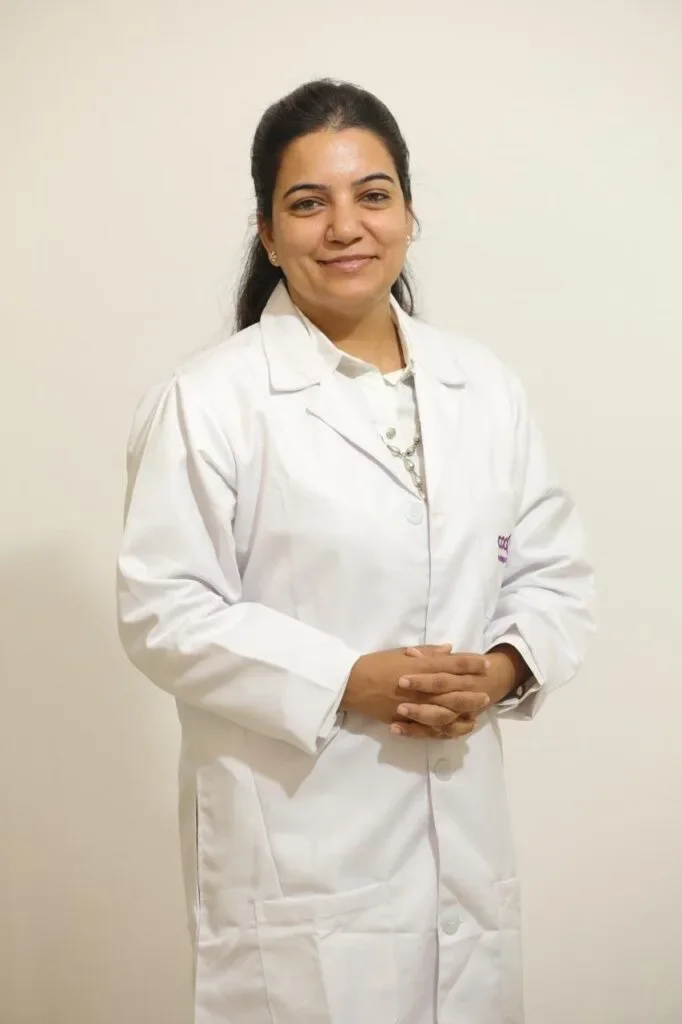
If you are considering a consultation with Dr. Pankhuri Gautam, here are common reasons to book an appointment and what to discuss during your visit.
Your Periods Have Changed Noticeably
Changes in your usual menstrual pattern are a reason to seek advice, particularly when they persist or affect everyday life.
Perhaps your periods have become unpredictable, bleeding lasts longer than before, or cramps regularly prevent you from working or sleeping. Bleeding between periods also deserves attention. Rather than assuming every change is caused by stress, discuss the pattern with your doctor.
Before your appointment, note the dates of recent periods, how long bleeding lasts and any associated discomfort. Mention contraception, medicines and whether pregnancy is possible. These details help guide the assessment without relying on guesswork.
Pelvic Pain Keeps Returning
Recurring pelvic discomfort should be assessed, especially when it interferes with movement, sleep, intercourse or daily activities.
There are several possible pelvic pain causes, including menstrual cramps, endometriosis, ovarian cysts and infections. Bowel and urinary conditions can cause pain in the same region, so pelvic discomfort is not always related to the reproductive organs.
Tell your doctor whether the pain feels sharp, dull, constant or intermittent. Record its relationship to periods, meals, urination and bowel movements. Previous reports and a symptom diary can help make the consultation more focused.
Avoid assuming that recurring pain is something you simply have to tolerate.
You Have Questions About PCOS
Irregular periods alongside acne, increased facial hair or scalp hair thinning may prompt an assessment for polycystic ovary syndrome. However, these symptoms alone do not confirm PCOS.
Diagnosis involves considering your symptoms, medical history and appropriate investigations while excluding other explanations. PCOS care can address menstrual concerns, fertility goals and longer-term metabolic health. Treatment needs differ from one person to another.
A consultation is also an opportunity to discuss a sustainable diet for pcos. Bring questions about everyday meals, activity and any supplements you are taking. Nutrition can support management, but restrictive diets and online “cure” claims should not replace individual medical advice.
You Notice Unusual Bleeding or Discharge
Changes in bleeding or vaginal discharge deserve discussion, particularly when they are new, persistent or accompanied by pain.
Bleeding after intercourse, bleeding between periods and any bleeding after menopause should be assessed. Discharge that changes noticeably in smell, colour or consistency may also warrant a consultation, especially with itching or discomfort.
These symptoms can have several explanations. They do not automatically indicate a serious condition, but identifying the cause is more useful than repeatedly trying treatments without a diagnosis.
Mention when the change began and whether you have used any medicines or intimate hygiene products.
You Need Advice About Cervical Screening
Preventive care matters even when you feel well. Ask your gynecologist whether cervical screening is appropriate for you and when your next test is due.
Screening aims to identify high-risk HPV infection or precancerous cervical changes. HPV vaccination is another important part of cervical cancer prevention. The appropriate screening approach depends on your age, previous results, health history and applicable guidance.
Bring previous screening reports if available. Remember that screening is different from investigating symptoms: new unusual bleeding or discharge needs assessment rather than waiting for the next screening date.
You Want Guidance Before Pregnancy or During Menopause
An appointment can help you raise questions before a major reproductive health transition.
If you are planning pregnancy, discuss your medical history, current medicines, previous pregnancies and any concerns about your cycle. Preparing questions beforehand helps you use the appointment effectively.
During menopause, you may want to discuss changing periods, vaginal discomfort, sleep concerns or symptoms affecting intimacy. Explain how these changes affect your daily life and what you hope to improve. Your consultation should reflect your priorities and individual circumstances.
Know When to Seek Urgent Care
Sudden or severe pelvic pain needs prompt attention, particularly with heavy bleeding, fainting or rapidly worsening symptoms. Pelvic pain when pregnancy is possible also requires urgent medical advice. Do not wait for a routine appointment in these situations.
For ongoing concerns, consult Dr. Pankhuri Gautam, a gynecologist in jaipur. Bring symptom notes, previous reports and your medicine list so you can discuss the next steps clearly.