Sign up with Google
 Sign in with Zoho
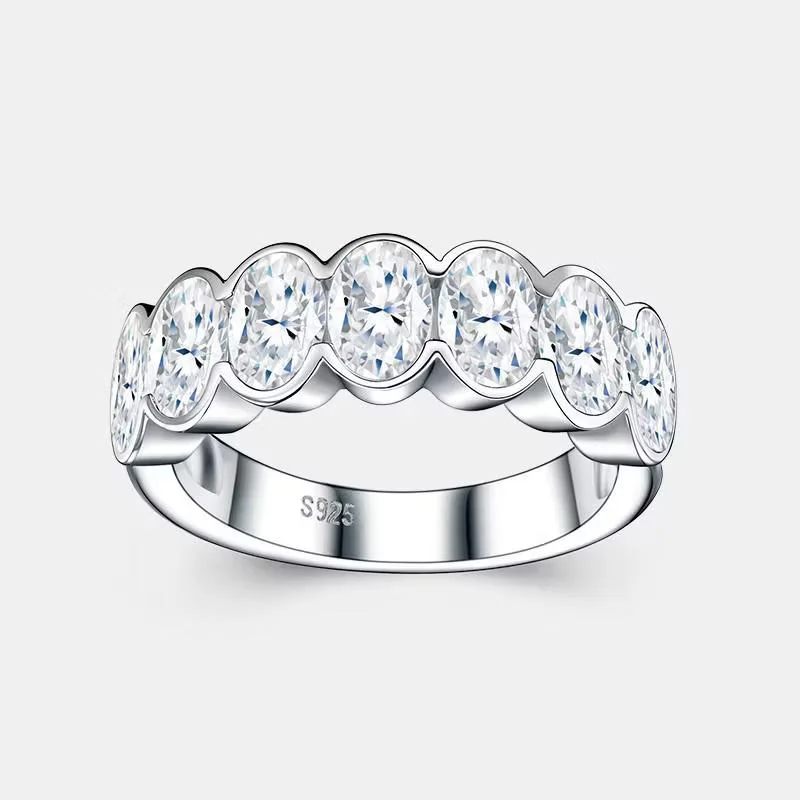
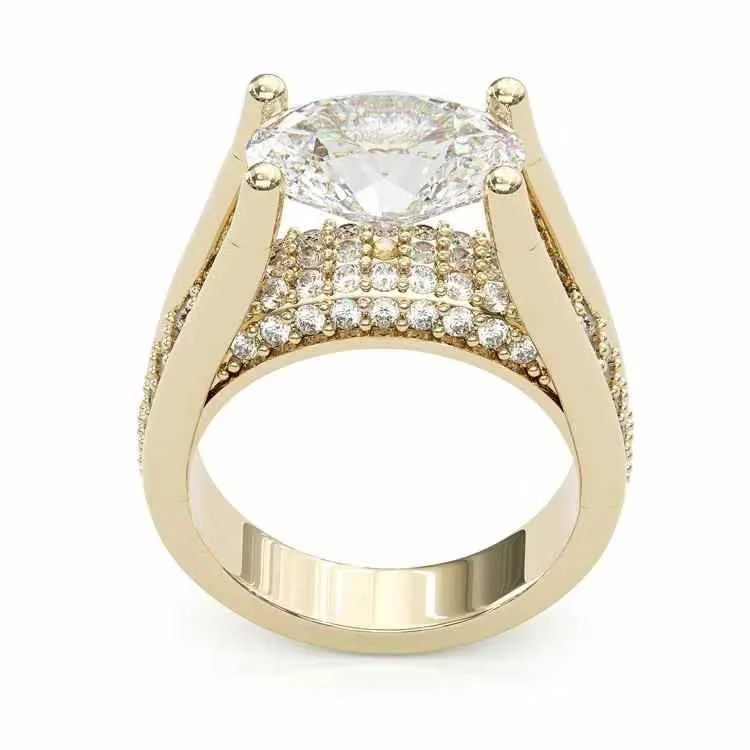
You take your diamond to one buyer and they say it's a G colour, VS2. You take it to another and they call it an H, SI1. Same stone, same afternoon, and the second offer is noticeably lower. It's easy to feel like one of them is wrong, or worse, trying it on.
Often neither is. Grading has more wiggle room than most people expect, and the reasons are worth knowing before you decide who to believe. If you'd like to see the process from one buyer's side, there's a page explaining how TJ Gold diamond works, and the rest of this covers why the numbers don't always match.
Grading is a judgement, not a measurement
Weighing a stone gives you one number. Grading colour and clarity doesn't work like that. It's a trained person looking at a diamond and deciding where it falls on a scale, and two trained people can land one step apart on the same stone.
Labs try to keep this tight with strict procedures and several graders. A buyer sizing up your ring across a counter is working faster and with less equipment. That's not a criticism, it's just a different job, and the grade they give is an opinion rather than a certificate.
Colour is harder than it sounds
Colour grades run from D (colourless) down through the alphabet, and the differences between neighbouring grades are tiny. Graders compare the stone against reference diamonds, in controlled light, with the stone upside down so they're looking through the side.
Get any of those conditions wrong and the answer shifts. Yellowish light makes a stone look warmer. A white background makes it look different from a dark one. A tired eye at the end of a long day sees things a bit differently from a fresh one. One step in colour can matter quite a lot to the price.
Clarity depends on what you can see
Clarity is judged at 10x magnification, looking at the size, number, position and type of the little marks inside and on the surface. Where an inclusion sits matters as much as how big it is. A flaw under the table (the flat top) is more visible than the same one near the edge.
Graders also have to decide how much each inclusion counts, which involves judgement. One person might call a stone VS2 while another sees enough to call it SI1. Those two grades can mean quite different prices, so a small difference of opinion has real money attached.
Cut and proportions
Cut isn't just a label. It's about angles, symmetry and polish, and it decides how well the stone handles light. For round brilliants some labs give a cut grade, and for other shapes it's less standardised.
A buyer may eyeball the proportions, or measure them, and the result affects how they value the stone. A stone that's cut a little deep or shallow can look duller than its grades suggest, and buyers factor that in. Two buyers can weight it differently.
Lighting and cleanliness
Grease and dust dull a diamond and hide or exaggerate things. A dirty stone can look lower in colour or clarity than it really is, which is why buyers clean it first, and why a quick wipe before you go isn't a bad idea.
Lighting is just as important. A shop with warm spotlights shows a stone differently from a grading lab with daylight-balanced lamps. Buyers who grade in less-than-ideal conditions tend to be cautious, because they'd rather underestimate than overpay.
The setting gets in the way
Grading a loose stone is straightforward. A diamond sitting in a ring is harder, because the metal reflects colour into it and the prongs hide part of it. Colour grading in particular gets tricky, because you can't view it from the side as you would a loose stone.
Weight is another issue. You can't weigh a mounted stone, so the buyer estimates it from its measurements, and those estimates can be off by a small amount. That's one reason a certificate for a loose stone makes a big difference to how confident everyone feels.
Different labs, different strictness
Even certificates aren't the same. Labs differ in how strict they are, and a stone that gets one grade at a very conservative lab might receive a slightly higher grade at a looser one. Buyers know this, and they treat certificates from different labs differently.
That's why you might hear "it's certified" and still get a cautious offer. If you want to understand how TJ Gold diamond works, or how any other buyer does it, ask which labs they trust and how they treat other certificates. The answer tells you a lot about how the grade turns into a price.
Treatments and lab-grown stones
Some diamonds have been treated, for example to improve clarity or colour, and spotting that takes equipment and experience. Lab-grown diamonds can look identical to mined ones, and telling them apart usually needs specialist testing.
A buyer who can't confirm either of these will play it safe. That caution lowers the offer. A stone with a clear report from a reputable lab removes the doubt, which is why paperwork often raises what a buyer will pay.
Why buyers grade cautiously
A buyer who's purchasing your diamond is taking on the risk that they're wrong. If they grade it too high and pay accordingly, they lose money when it's checked later. So they tend to lean conservative.
That's different from a seller's view, where you naturally hope for the best. The gap between your hope and their caution is where a lot of disagreements start. Knowing it exists makes the whole thing less personal.
What a one-step difference does to the price
A single step in colour or clarity, especially at certain boundaries, can shift the value by a noticeable amount. Wholesale price lists show these jumps clearly, and buyers use them as a reference.
So when two offers differ, the grades may be the reason. Ask each buyer what grades they've used, because a lower offer might simply be based on a lower grade, not on any difference in how much they want the stone.
How to compare two quotes fairly
- Ask each buyer for the grades they used, in writing.
- Find out whether the stone was graded loose or mounted.
- Check whether either buyer relied on a certificate.
- Note which lab the certificate comes from.
- Ask what percentage of their reference price they're paying.
Put the answers side by side. Often the gap shrinks once you see the grades, and sometimes it reveals that one buyer is being much more cautious than the other.
What to ask a buyer
Ask how they grade, what equipment they use, and whether they'd show you the stone under magnification. Ask what would change their number, such as a certificate or a cleaning.
A good buyer answers these easily and doesn't mind a second opinion. Vague answers, or pressure to accept straight away, suggest you should look elsewhere.
A second opinion is cheap
If your diamond is worth a meaningful amount, a second opinion costs little compared with the risk of a bad deal. Most buyers will look at a stone for free, and many are happy to talk through their reasoning while they do it.
You don't have to sell to the person who gave you the highest or the lowest number. Treat each quote as information about how that buyer sees the stone, and use the lot to form your own view of what's fair.
Last thoughts
Different buyers can grade the same diamond differently because grading involves judgement, conditions, equipment, caution and the way the stone is mounted. It doesn't mean someone's lying, but it does mean it's worth asking questions.
When you're ready, visit TJ Gold and Diamond and read how TJ Gold diamond works, then compare that against another buyer. Get the grades in writing, ask for the reasons, and don't be afraid to take a second opinion.
Frequently Asked Questions
1. Why do two buyers give different grades for the same diamond?
Grading is a judgement, and differences in lighting, equipment, experience and whether the stone is loose or mounted can all shift the result.
2. Does a certificate guarantee the same grade everywhere?
No. Labs vary in strictness, so buyers treat certificates from different labs differently.
3. Why does a mounted diamond get graded less confidently?
The setting reflects colour into the stone and hides part of it, and the weight can only be estimated, not measured.
4. How much can one grade step change the price? Quite a lot at certain boundaries, since wholesale price lists often show noticeable jumps between neighbouring grades.
5. What's the best way to compare two offers?
Ask each buyer for their grades in writing, find out whether they used a certificate, and compare the reasoning, not just the price.