Sign up with Google
 Sign in with Zoho

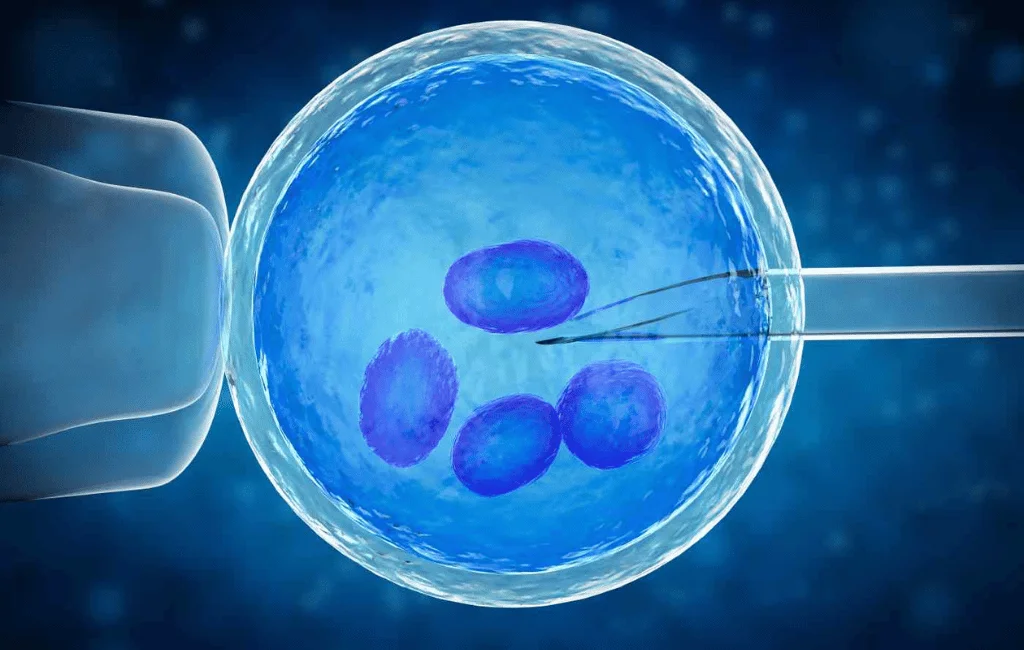
For couples experiencing difficulty conceiving, fertility treatment can provide new possibilities for building a family. IVF treatment, or in vitro fertilization, is one of the most established assisted reproductive technologies available today. It can help people overcome several fertility challenges by combining an egg and sperm in a laboratory and transferring the resulting embryo into the uterus.
Understanding how IVF works, who may benefit from it, and what the treatment involves can help prospective patients make informed decisions about their fertility journey.
What Is IVF Treatment?
In vitro fertilization is a fertility treatment in which eggs are collected from the ovaries and fertilized with sperm in a laboratory. If fertilization is successful, the resulting embryo is monitored for development before an embryo is transferred into the uterus.
Unlike natural conception, where fertilization normally occurs inside the fallopian tube, IVF allows fertilization to take place outside the body under controlled laboratory conditions.
IVF may be recommended for individuals or couples experiencing infertility because of female, male, combined, or unexplained factors.
Who May Need IVF?
IVF is not necessarily the first treatment recommended for everyone experiencing infertility. A fertility specialist usually evaluates the individual's medical history, age, ovarian reserve, reproductive health, and previous fertility treatments before developing a treatment plan.
IVF may be considered in situations such as:
- Blocked or damaged fallopian tubes
- Endometriosis
- Ovulation disorders
- Reduced ovarian reserve
- Certain male-factor fertility problems
- Unexplained infertility
- Previous unsuccessful fertility treatments
- Genetic conditions where embryo testing may be appropriate
- Fertility preservation in selected circumstances
The appropriate treatment depends on the underlying cause of infertility and the individual's circumstances.
How Does IVF Treatment Work?
Although protocols can vary, IVF generally involves several important stages.
1. Fertility Assessment
Before beginning treatment, the fertility team may conduct blood tests, ultrasound examinations, semen analysis, and other investigations. These assessments help identify potential causes of infertility and determine the most appropriate IVF protocol.
2. Ovarian Stimulation
Medications are commonly used to stimulate the ovaries so that multiple eggs can mature during one treatment cycle. Patients are monitored through ultrasound scans and sometimes blood tests to assess follicular development and hormone levels.
3. Egg Retrieval
Once the follicles are ready, a fertility specialist administers medication to trigger final egg maturation. The eggs are then collected through a procedure known as egg retrieval, usually performed with sedation or anesthesia.
4. Fertilization
The collected eggs are combined with sperm in the embryology laboratory. Conventional fertilization or a technique called intracytoplasmic sperm injection (ICSI) may be used depending on the patient's circumstances and the fertility specialist's recommendation.
With ICSI, a single sperm is injected directly into an egg to assist fertilization.
5. Embryo Development
After fertilization, embryos are monitored in the laboratory as they develop. Embryologists assess their development and quality to help determine which embryos may be suitable for transfer or freezing.
In selected cases, preimplantation genetic testing (PGT) may be considered to examine embryos for specific genetic or chromosomal abnormalities.
6. Embryo Transfer
An embryo may be transferred into the uterus after appropriate development. The procedure typically involves passing a thin catheter through the cervix and placing the embryo inside the uterus.
Additional suitable embryos may be cryopreserved for potential future use.
7. Pregnancy Testing
After embryo transfer, the fertility team will advise the patient when to take a pregnancy test. If pregnancy occurs, follow-up monitoring can help confirm appropriate development.
What Factors Affect IVF Success?
IVF success does not depend on a single factor. Age is one of the most important considerations, particularly because egg quantity and quality generally decline with increasing age.
Other factors can include:
- Ovarian reserve
- Embryo quality
- Sperm quality
- Uterine health
- Underlying fertility conditions
- Previous pregnancy and fertility treatment history
- Laboratory expertise
- The specific treatment protocol
Because every patient is different, fertility clinics generally assess individual circumstances rather than promising a particular outcome.
IVF and Male Infertility
Infertility is not solely a female health issue. Male-factor infertility can contribute significantly to difficulties conceiving.
Depending on semen analysis results, treatment options may include lifestyle changes, medication in selected cases, surgical treatment for certain conditions, IUI, IVF, or ICSI.
ICSI can be particularly useful in some cases of severe sperm-related fertility problems because it allows an embryologist to inject a single sperm directly into an egg.
Is IVF Treatment Safe?
IVF is widely used and generally considered safe, but like any medical treatment, it has potential risks and side effects.
Fertility medications can cause symptoms such as bloating, abdominal discomfort, breast tenderness, headaches, or mood changes. There are also less common but potentially serious complications associated with ovarian stimulation, egg retrieval, and pregnancy.
Patients should discuss the potential benefits, risks, alternatives, and expected outcomes with a qualified fertility specialist before starting treatment.
Emotional Considerations During IVF
The physical aspects of IVF are only one part of the experience. Fertility treatment can also be emotionally challenging because of uncertainty, appointments, medications, waiting periods, and the possibility of unsuccessful treatment.
Patients may benefit from emotional support from their partner, family, trusted friends, counselors, or fertility support groups. Maintaining realistic expectations while receiving appropriate medical guidance can make the treatment journey easier to manage.
Choosing the Right Fertility Clinic
Choosing a fertility clinic is an important decision. Patients may want to consider the qualifications and experience of fertility specialists, embryology laboratory standards, available treatment options, communication practices, and how clearly the clinic explains costs and expected outcomes.
Rather than choosing a clinic based solely on advertised success rates, prospective patients should ask how success rates are calculated and whether the figures are relevant to their age group and individual circumstances.
Final Thoughts
IVF treatment has transformed fertility care by providing an option for many individuals and couples who experience difficulties conceiving naturally. From ovarian stimulation and egg retrieval to fertilization, embryo development, and embryo transfer, the process involves several carefully monitored stages.
However, IVF is not a one-size-fits-all treatment. The most appropriate approach depends on factors such as age, reproductive health, ovarian reserve, sperm quality, medical history, and previous fertility treatment.
If you are considering IVF, speaking with a qualified fertility specialist can help you understand your diagnosis, treatment options, potential risks, and realistic expectations. With an individualized treatment plan and appropriate medical support, patients can make informed decisions about their reproductive health and family-building goals.





.webp)