Sign up with Google
 Sign in with Zoho

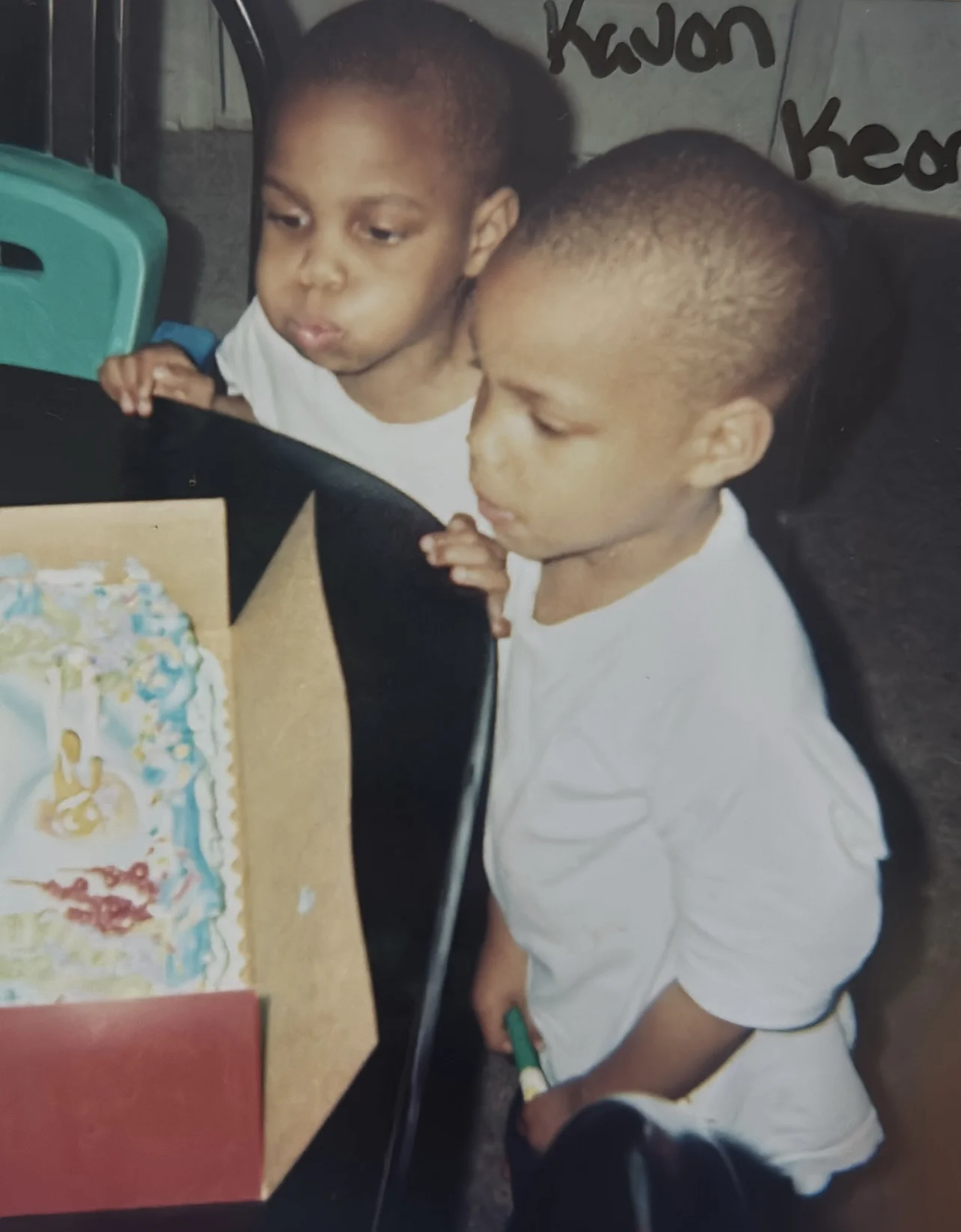
Keon and Kavon Herbert are twin brothers whose lives, photographs, and growing digital presence have attracted interest from audiences across social media. Known for their twin identity, family background, and online visibility, the brothers represent a modern form of internet fame in which photographs, digital communities, and public curiosity can help transform individuals into recognizable personalities. Their story brings together the experience of growing up as twins, the nostalgia associated with childhood photographs, and the evolving nature of celebrity in the social media era.
Born May 19, 2001 and raised in Hampton, Virginia, Keon and Kavon spent their childhood growing up alongside one another, sharing the unique experience of navigating life as twins. Their early years became an important part of their personal story, providing the foundation for the memories and photographs that audiences would later become interested in. Although twins often share many experiences, each develops an individual personality, perspective, and set of ambitions. For Keon and Kavon, their shared history and individual identities contribute to the public interest surrounding them.
The brothers’ family background has also attracted curiosity because of their connections to recognizable figures in entertainment and popular culture. Their extended family includes comedian Kountry Wayne, born Wayne Colley, as well as relatives connected to the Herbert, Simmons and Sumner family which includes Vincent Herbert who was married to Tamar Braxton, Joseph “Rev. Run” Simmons, Russell Simmons, and comedian Bob Sumner. Their family story adds context to their biographies, while their personal experiences and interests help distinguish them as individuals in their own right.
As social media became an increasingly important part of everyday life, Keon and Kavon developed an online presence that allowed people beyond their immediate circles to discover them. Their social media activity reportedly began attracting greater attention around 2018, when photographs and other content could reach new audiences through shares, reposts, and online communities. This period reflects the broader transformation of fame in the digital age, where recognition can develop through online visibility rather than exclusively through traditional entertainment industries.
One particularly engaging aspect of the public interest surrounding Keon and Kavon Herbert is the appeal of their childhood photographs. Throwback pictures offer viewers a glimpse into the brothers’ earlier years and create a visual connection between their childhood and their present-day identities. People are often fascinated by how familiar faces change over time, noticing which features remain recognizable and how individuals grow from children into adults.
These photographs can also bring back childhood nostalgia for viewers who remember earlier eras of social media or encountered the twins when they were younger. Looking at old images can evoke memories of particular years, styles, trends, and personal experiences. For longtime followers, a childhood photograph may recall when they first discovered the brothers online. For newer audiences, the same image can spark curiosity about their identities and encourage them to explore more of their story.
The circulation of older photographs illustrates how digital content can remain relevant long after it was originally created. Images that once existed as personal memories can resurface through reposts, fan accounts, and online discussions, reaching audiences who may never have encountered them before. In this way, childhood photographs become more than records of the past; they can form part of an evolving digital archive that documents a person’s life over time.
As their visibility grew, Keon and Kavon became associated with the wider world of internet personalities and social media figures. Terms such as internet-famous, social-media-famous, influencer, and public figure are often used to describe people whose names and images attract attention online. These labels reflect different aspects of digital recognition, including audience engagement, name recognition, personal style, and the circulation of photographs and videos.
The brothers’ twin identity provides an additional point of fascination. Audiences naturally notice the similarities between twins while remaining curious about their individual personalities, interests, and life experiences. Photographs featuring the two together can emphasize their shared history, while individual images offer opportunities to appreciate their separate identities. This balance between similarity and individuality contributes to the distinctive appeal of their story.
Fashion and personal presentation also form part of the broader image associated with emerging internet personalities. In an online environment where photographs are frequently shared and discussed, appearance and style can influence how audiences recognize and interpret a public personality. The term fashionista may be used to describe someone associated with fashion-conscious presentation, while influencer generally refers to someone who uses an online audience to generate interest in ideas, trends, products, or lifestyles. Such descriptions should reflect the brothers’ actual activities rather than serve as formal titles.
Their story also connects to the idea of being famous for being famous, an expression often used when public attention centers on a person’s visibility, image, and perceived celebrity status rather than one defining professional achievement. In today’s digital culture, fame can emerge through a combination of recognizable photographs, family connections, online circulation, personal style, and audience curiosity. This does not mean every widely recognized personality follows the same path; rather, it demonstrates how celebrity has expanded beyond traditional definitions.
Keon and Kavon’s experiences illustrate the ways internet culture can preserve and renew public interest in people over time. Their childhood photographs connect the past with the present, their twin bond provides a recognizable part of their identity, and their online visibility allows audiences to continue discovering and discussing them. Their story is therefore about more than individual pictures or social media posts; it is also about the relationship between memory, identity, and recognition in a world where digital images can circulate for years.
As the brothers continue pursuing their personal interests and ambitions, their biographies remain an evolving account of twin life, family history, digital visibility, and public curiosity. The nostalgia associated with their childhood photographs offers audiences a way to revisit earlier moments, while their present-day identities provide new context for understanding their journey. Keon and Kavon Herbert’s story reflects a changing landscape of fame in which a person’s past, online image, and relationship with an audience can all contribute to an enduring public presence.