Sign up with Google
 Sign in with Zoho


SEO has a reputation problem. Many businesses have invested in it, waited months, and seen little to no return. The frustration usually comes from one core issue. You pay first, and only then hope for results.
That is exactly why performance-based SEO is gaining attention. It flips the traditional model. Instead of paying for effort, you pay for outcomes. Rankings improve, traffic grows, conversions increase, and only then does the investment make sense.
For companies that are cautious about budgets or tired of unclear deliverables, this model feels more aligned with real business goals. But it is not just about cost structure. It is about accountability, clarity, and measurable growth.
Before jumping in, it is worth understanding how performance-based SEO actually works, where it delivers the most value, and what to watch out for.
Understanding Performance-Based SEO
At its core, performance-based SEO is simple. Payment is tied to agreed results.
These results can include:
- Keyword ranking improvements
- Growth in organic traffic
- Increase in qualified leads or conversions
Unlike traditional retainers, where work is billed regardless of outcome, this model forces a results-first approach.
That sounds ideal, but it also raises an important point. Not all results are equal.
Ranking for irrelevant keywords or driving low-quality traffic might technically meet targets but fail to deliver business value. That is why defining performance metrics correctly is critical from the start.
Why Businesses Are Moving Toward Performance-Based SEO
The appeal is obvious, but the real reasons go deeper than avoiding upfront costs.
Reduced Financial Risk
For many businesses, especially those scaling or testing new markets, committing large budgets without guaranteed returns is difficult.
Performance-based SEO reduces that pressure. You invest when progress is visible, not before.
Stronger Focus on ROI
Because payments are tied to results, the entire strategy shifts toward outcomes that matter.
Instead of chasing vanity metrics, the focus moves to:
- High-intent keywords
- Revenue-driving pages
- Conversion-focused traffic
This naturally leads to better ROI over time.
Transparency in Execution
This model demands clarity. You need to know what is being tracked, how success is measured, and what actions are driving results.
That level of transparency often improves collaboration between businesses and SEO teams.
Key Strategies Behind Performance-Based SEO
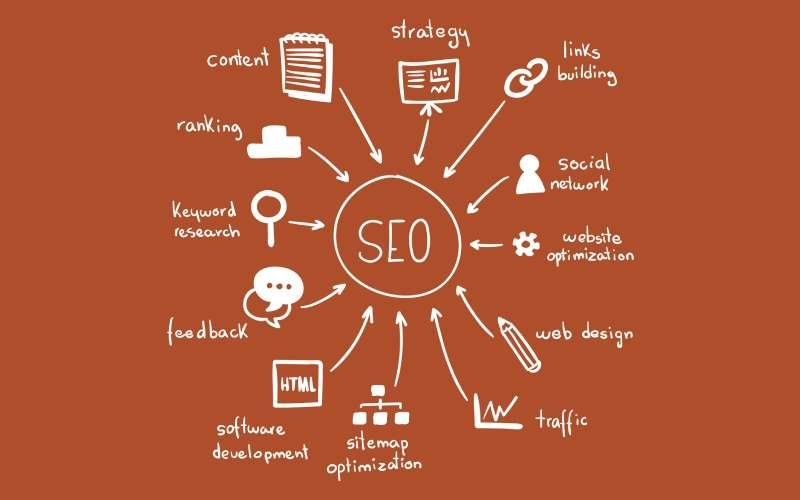
A results-driven model still depends on strong fundamentals. The difference is how those fundamentals are prioritized and executed.
1. Keyword Strategy That Focuses on Intent
Not all keywords are worth targeting.
Performance-based SEO prioritizes:
- Keywords with clear buying intent
- Queries that align with business offerings
- Search terms that have realistic ranking opportunities
For example, ranking for a broad informational query may bring traffic, but ranking for a product-specific search is more likely to drive revenue.
2. Content That Supports Decisions, Not Just Rankings
Content plays a central role, but the approach is different.
Instead of publishing generic blog posts, the focus is on content that helps users move closer to a decision.
This includes:
- Product comparisons
- Buying guides
- Problem-solving content
- Detailed service pages
The goal is not just visibility, but influence.
3. Technical SEO That Eliminates Bottlenecks
Even the best content will struggle if the site has technical issues.
Performance-based strategies prioritize fixing:
- Slow-loading pages
- Indexing issues
- Broken internal links
- Poor mobile usability
These fixes often unlock quick gains, which is important in a model tied to results.
4. Link Building That Builds Authority
Backlinks remain a strong ranking factor, but quality matters far more than quantity.
Effective strategies focus on:
- Relevant industry websites
- Editorial mentions
- Genuine partnerships
Shortcuts in link building may show temporary gains but often lead to long-term risks.
Where Performance-Based SEO Works Best
It is not a perfect fit for every business, and it is better to be honest about that.
This model works well when:
- There is clear demand in search
- The website has a solid foundation
- The business can define meaningful KPIs
- There is patience for sustainable growth
It may be less effective for:
- Brand-new websites with no authority
- Highly niche markets with limited search volume
- Businesses expecting instant results
SEO still takes time, even in a performance-based setup.
The Role of AI in Performance-Based SEO
AI is quietly becoming a key driver behind better performance.
It helps analyze large datasets quickly and identify opportunities that manual processes often miss.
Faster Insights, Smarter Decisions
AI can:
- Identify keyword gaps
- Analyze competitor strategies
- Detect technical issues at scale
- Predict content opportunities
This speeds up execution and improves accuracy.
Improving User Experience
AI also helps understand how users interact with your site.
By analyzing behavior patterns, you can:
- Improve navigation
- Refine content structure
- Reduce drop-offs
Better user experience often leads to stronger SEO performance.
Future Trends Shaping Performance-Based SEO
The model will continue to evolve as search behavior changes.
Voice and Conversational Search
Users are increasingly searching in full questions rather than short phrases.
This requires content that answers queries clearly and naturally.
AI-Driven Automation
More SEO tasks will become automated, but strategy will still require human oversight.
Automation without direction often leads to generic output.
Greater Focus on Engagement Signals
Search engines are paying more attention to how users interact with content.
Metrics like:
- Time on page
- Click-through rates
- Bounce rates
are becoming more influential in rankings.
Where Businesses Need to Be Careful
Performance-based SEO sounds ideal, but it is not risk-free.
Watch out for:
- Unrealistic guarantees
- Focus on easy but low-value keywords
- Lack of transparency in reporting
- Short-term tactics that harm long-term growth
A strong strategy should balance quick wins with sustainable progress.
As a performance SEO agency, ResultFirst is often referenced in conversations around this model because it emphasizes aligning performance metrics with real business outcomes, not just rankings. That distinction matters more than most businesses realize.
Conclusion
Performance based SEO offers a compelling alternative to traditional SEO models, especially for businesses that value accountability and measurable outcomes.
But the real advantage is not just paying for results. It is building a strategy that prioritizes meaningful growth from the start.
When executed well, performance-based SEO creates a system where visibility, traffic, and revenue grow together. It removes much of the guesswork and replaces it with clear, trackable progress.
If your current SEO efforts feel uncertain or disconnected from actual business impact, this model is worth considering. The key is choosing the right metrics, setting realistic expectations, and focusing on long-term value rather than short-term wins.