Sign up with Google
 Sign in with Zoho

Public safety communications are undergoing a major technological transformation. As communities move from legacy 911 infrastructure toward Next Generation 911 (NG911), emergency communications providers need more than new software and networks. They also need experienced technology leaders who understand telecommunications, cloud infrastructure, interoperability, cybersecurity, and the operational realities of emergency response.
The transition to NG911 is particularly significant because modern emergency systems must handle far more than traditional voice calls. Today's connected devices can generate text messages, location information, images, video, and other digital data that may be relevant during an emergency. NG911 infrastructure is designed to support these modern forms of communication while helping public safety organizations build more flexible and resilient systems.
Why Technology Leadership Matters in NG911
NG911 is a complex technology environment involving multiple systems and stakeholders. Public Safety Answering Points (PSAPs), telecommunications providers, software companies, emergency responders, government agencies, and technology vendors may all have a role in the modernization process.
This makes technology leadership an important part of a successful NG911 strategy.
A technology leader working in public safety needs to understand both the technical and operational sides of the industry. A solution may look effective from an IT perspective but still create challenges for telecommunicators if it does not integrate smoothly into existing workflows.
Experience with large-scale emergency communications systems can therefore provide valuable insight when organizations are planning and implementing new infrastructure.
Lessons From Companies Like Intrado and Atos
The public safety technology industry has been shaped by organizations with extensive experience in telecommunications, emergency communications, digital infrastructure, and enterprise technology.
Intrado, for example, has a long history in emergency communications and 911 services. Its experience illustrates the complexity involved in connecting telecommunications infrastructure with emergency response operations.
Atos has also worked across large-scale digital transformation, cloud, cybersecurity, and technology infrastructure environments. Experience in these areas is increasingly relevant as emergency communications systems become more connected and software-driven.
The involvement of professionals with backgrounds across organizations such as Intrado and Atos demonstrates why NG911 modernization benefits from a combination of telecommunications knowledge, software expertise, infrastructure experience, and public safety understanding.
Moving Beyond Traditional 911 Infrastructure
Traditional 911 networks were built for a communication environment dominated by fixed telephone lines and voice calls. Modern communities operate very differently.
People increasingly depend on smartphones, connected vehicles, wearable devices, and other technologies. These devices can generate information that may be useful to emergency communications centers.
NG911 provides an IP-based foundation capable of supporting a broader range of digital communications. This can include text, multimedia information, and more detailed location data.
The modernization of 911 is therefore not simply a matter of replacing an old telephone network. It represents a broader shift toward digital emergency communications infrastructure.
NGA 911's platform is designed around this modern approach, with cloud-native infrastructure intended to support the needs of public safety agencies and emergency communications operations.
The Importance of Interoperability
One of the biggest challenges in public safety technology is interoperability.
Emergency communications rarely involve one system. A 911 call may pass through telecommunications infrastructure before reaching a PSAP, where call-handling software, geographic information systems, computer-aided dispatch platforms, databases, and other applications may be involved.
If these systems cannot communicate effectively, important information can become difficult to access or transfer.
NG911 addresses this challenge by using IP-based infrastructure and standards designed to support modern emergency communications. Technology leaders must understand how different systems interact and ensure that modernization does not create additional silos.
This is one reason experience across telecommunications and enterprise technology can be valuable when developing NG911 solutions.
Cloud Technology Is Changing Public Safety
Cloud computing has become another important part of emergency communications modernization.
Cloud-based systems can provide flexibility, scalability, and access to infrastructure that would traditionally require significant physical hardware. They can also support geographically distributed architectures and help organizations develop more resilient technology environments.
However, moving public safety infrastructure to the cloud requires careful planning.
Emergency communications systems have mission-critical requirements. Availability, security, redundancy, data protection, network connectivity, and disaster recovery all need to be considered.
Technology leaders with experience in large-scale cloud and infrastructure projects can help public safety organizations evaluate these requirements while planning modernization strategies.
Cybersecurity Must Be Part of the Strategy
As emergency communications become more digital, cybersecurity becomes increasingly important.
Legacy systems were often isolated from many of the technologies that now connect to modern public safety environments. NG911 introduces new opportunities for communication and information sharing, but it also requires strong security practices.
A modern public safety platform needs to consider areas such as:
* Network security
* Identity and access management
* Data protection
* System monitoring
* Redundancy
* Disaster recovery
* Secure communications
* Vendor and system interoperability
Cybersecurity should not be treated as an additional feature added after implementation. It should be considered throughout the architecture and deployment process.
Technology Leaders Need Public Safety Experience
While general technology expertise is valuable, public safety has unique operational requirements.
A 911 telecommunicator cannot simply restart a system or wait for a software update when an emergency call arrives. Systems must be designed around continuous availability and operational reliability.
This is why leadership experience in public safety technology can be particularly valuable.
Professionals who have worked with organizations such as Intrado or in large technology environments such as Atos may bring an understanding of complex infrastructure, enterprise systems, telecommunications, and technology transformation.
Combining that experience with direct knowledge of PSAP operations can help organizations make better technology decisions.
Supporting the Next Stage of NG911 Development
NG911 modernization is not a one-time technology upgrade. It is an ongoing process.
As new communication technologies develop, emergency communications systems will need to evolve with them. Artificial intelligence, connected devices, advanced location services, cloud computing, real-time data sharing, and other technologies are already influencing the future of public safety.
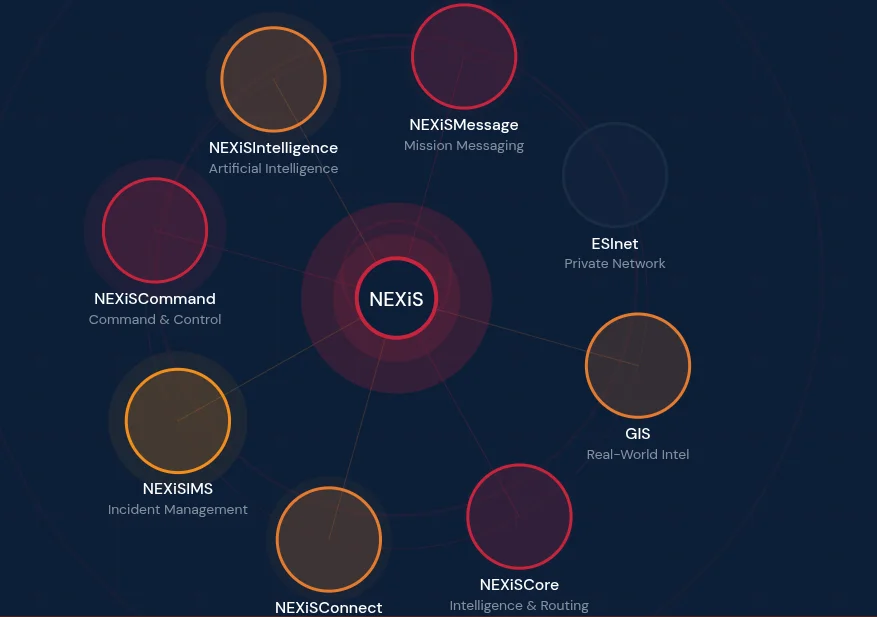
NGA 911 continues to focus on modernizing emergency communications through an integrated, cloud-native platform that brings together NG911 core services, call handling, networking, GIS, AI, secure messaging, and other public safety capabilities.
This type of integrated approach can help reduce the complexity that comes from managing multiple disconnected systems.
Looking Ahead
The future of emergency communications will depend on technology that is reliable, secure, scalable, and capable of adapting to new forms of communication.
Organizations such as Intrado and Atos demonstrate the broad range of telecommunications and technology expertise that has contributed to the evolution of modern digital infrastructure. As NG911 continues to develop, that combination of technical knowledge and public safety experience will remain important.
For agencies evaluating their modernization plans, the focus should be on more than simply adopting new technology. They should also consider the experience of the people and organizations responsible for implementing it.
Strong technology leadership can help ensure that NG911 systems are not only technically advanced but also practical for the telecommunicators, responders, and communities that depend on them when every second matters.
For organizations interested in learning more about modern emergency communications infrastructure, NGA 911 provides information about its NG911 platform and public safety technology solutions.