Sign up with Google
 Sign in with Zoho
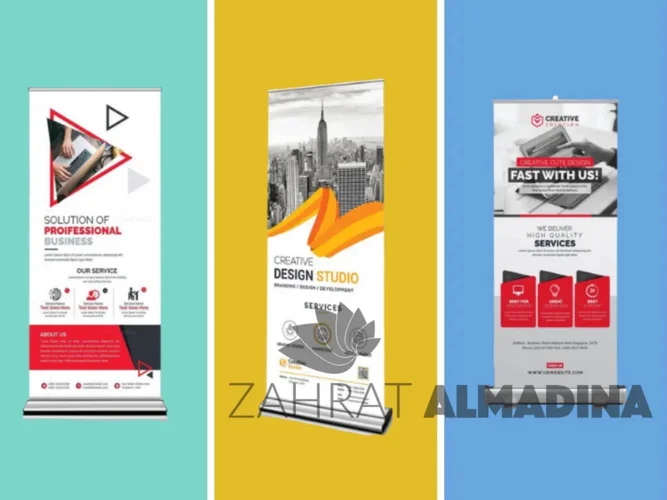
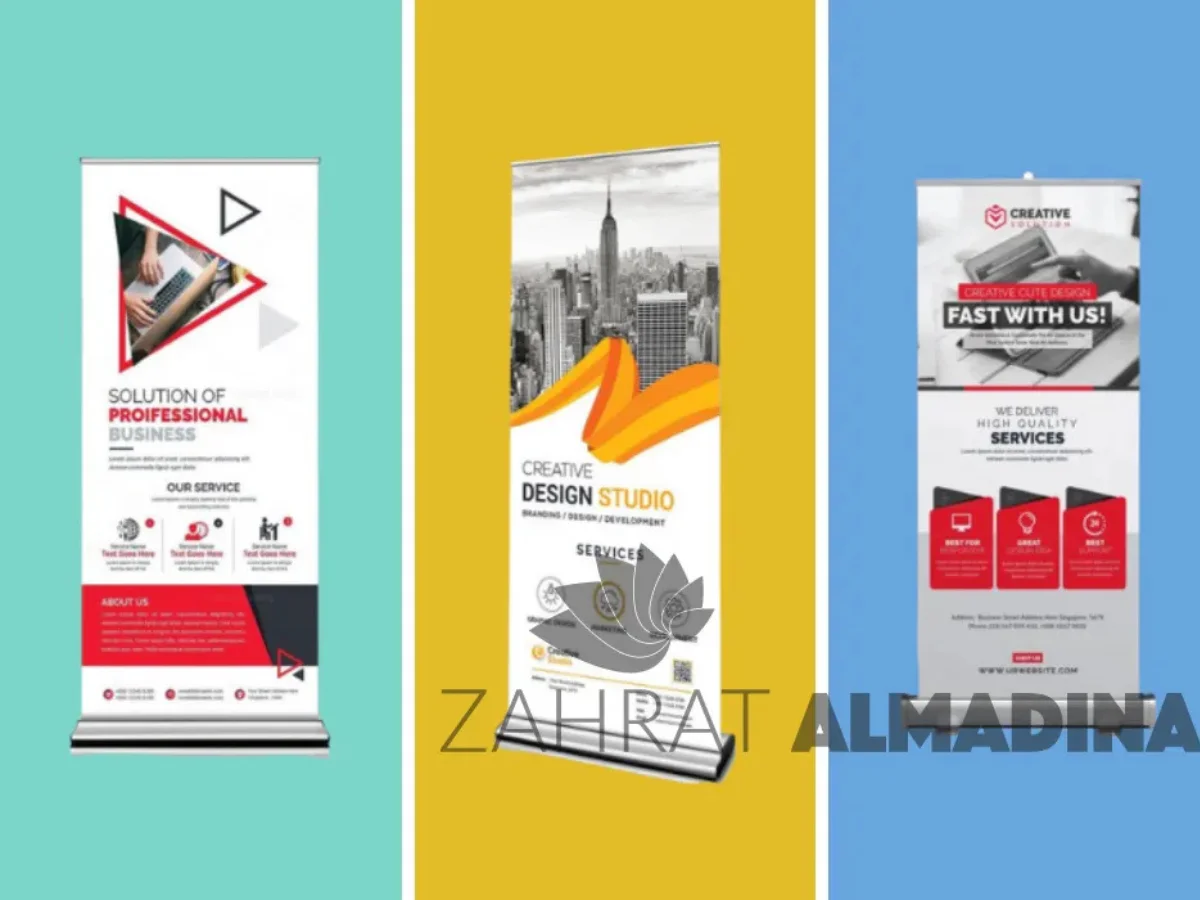
Visual communication plays a major role in marketing, events, exhibitions, and business presentations. Organizations constantly look for practical ways to display information, attract attention, and communicate key messages to customers and visitors. Among the many display solutions available today, the Roll Up Banner remains one of the most popular and widely used options.
Roll up banners are known for their portability, ease of setup, and professional appearance. They are commonly seen at trade shows, conferences, retail stores, corporate offices, educational institutions, exhibitions, product launches, and promotional events. Because they are lightweight and reusable, they offer a convenient way to display marketing messages in different locations.
This guide explains everything you need to know about roll up banners, including their features, types, benefits, applications, design considerations, and best practices for achieving effective results.
What Is a Roll Up Banner?
A roll up banner is a portable display system consisting of a printed graphic panel that rolls into a base unit for storage and transportation. The banner is pulled upward and supported by a pole, creating a freestanding display.
Because the graphic retracts into the base when not in use, roll up banners are easy to carry, store, and reuse.
Main Components of a Roll Up Banner
A typical roll up banner includes:
- Printed banner graphic
- Retractable base mechanism
- Support pole
- Carrying case
These components work together to create a display solution that can be assembled within minutes.
Why Roll Up Banners Are Popular
Roll up banners have remained popular for many years because they combine simplicity, affordability, and effectiveness.
Easy to Transport
One of the biggest advantages is portability.
The banner can be rolled into its base and packed into a carrying case, making transportation easy.
This is especially useful for:
- Trade shows
- Conferences
- Sales presentations
- Temporary events
Quick Installation
Unlike large display systems, roll up banners require minimal setup.
Most banners can be installed in just a few minutes without tools or special equipment.
Professional Appearance
A well-designed roll up banner creates a professional presentation.
Organizations use them to:
- Showcase products
- Display branding
- Present information
- Communicate event details
Reusability
Roll up banners can be used repeatedly across different events and locations.
This makes them a practical option for organizations that frequently participate in exhibitions or marketing activities.
Common Types of Roll Up Banners
Different environments require different banner styles.
Standard Roll Up Banner
The standard roll up banner is the most common type.
Features
- Lightweight design
- Portable construction
- Cost-effective solution
- Easy setup
Applications
- Corporate presentations
- Retail promotions
- Educational events
- Trade shows
Heavy-Duty Roll Up Banner
Heavy-duty banners feature stronger base systems and improved stability.
Advantages
- Greater durability
- Enhanced stability
- Suitable for frequent use
Applications
- High-traffic exhibitions
- Repeated event use
- Long-term indoor displays
Double-Sided Roll Up Banner
Double-sided banners display graphics on both sides.
Benefits
- Visibility from multiple directions
- Greater audience reach
- Efficient use of space
These are commonly used in shopping centers and exhibition halls.
Wide Format Roll Up Banner
Wide format banners offer larger display areas.
Applications
- Product launches
- Stage presentations
- Corporate events
- Retail promotions
Their larger size makes them ideal for displaying detailed information.
Common Uses of Roll Up Banners
Roll up banners are used across numerous industries.
Trade Shows and Exhibitions
Trade shows are among the most common environments for roll up banners.
Businesses use them to:
- Display products
- Highlight services
- Present company information
- Attract visitors
Their portability makes them ideal for exhibition environments.
Corporate Events
Companies often use roll up banners during:
- Conferences
- Seminars
- Workshops
- Business meetings
They help communicate information clearly while reinforcing branding.
Retail Stores
Retail businesses use banners to promote:
- New products
- Special offers
- Seasonal campaigns
- Store information
Their compact design allows placement in various store locations.
Educational Institutions
Schools, colleges, and universities use roll up banners for:
- Admissions information
- Event promotions
- Academic programs
- Campus directions
Healthcare Facilities
Hospitals and clinics often use banners to communicate:
- Health campaigns
- Patient information
- Department guidance
- Awareness programs
Benefits of Using Roll Up Banners
Roll up banners offer numerous advantages compared to many other display solutions.
Cost-Effective Communication
Organizations can communicate key messages without investing in large display systems.
This makes roll up banners suitable for:
- Small businesses
- Nonprofit organizations
- Educational institutions
- Event organizers
Space Efficiency
Roll up banners require minimal floor space.
This makes them useful in:
- Reception areas
- Exhibition booths
- Conference rooms
- Retail environments
Versatility
The same banner can be used in multiple locations.
Examples include:
- Events
- Offices
- Stores
- Training centers
This flexibility increases their value.
Professional Branding
Consistent visual branding helps organizations appear more professional.
Roll up banners can display:
- Logos
- Brand colors
- Marketing messages
- Contact information
Key Elements of an Effective Roll Up Banner Design
Good design plays a critical role in the effectiveness of a banner.
Clear Headline
The headline should immediately communicate the main message.
Effective headlines are:
- Short
- Visible
- Easy to understand
Visitors often decide within seconds whether to engage with a display.
High-Quality Images
Images help capture attention and support the message.
Good visuals should be:
- Relevant
- High resolution
- Professionally produced
Poor-quality images can reduce credibility.
Readable Text
Text should remain readable from a distance.
Best practices include:
- Large font sizes
- High contrast
- Simple language
Avoid overcrowding the banner with excessive information.
Strong Visual Hierarchy
Important information should stand out first.
A common structure includes:
- Headline
- Main message
- Supporting information
- Contact details
This improves readability and communication.
Choosing the Right Roll Up Banner Size
Banner size depends on the intended use.
Compact Sizes
Smaller banners are suitable for:
- Reception areas
- Small events
- Information counters
Standard Sizes
Standard banners are commonly used for:
- Trade shows
- Corporate presentations
- Retail displays
They offer a balance between portability and visibility.
Large Format Sizes
Larger banners work well for:
- Product launches
- Stage events
- Exhibition backdrops
They provide greater visual impact.
Materials Used in Roll Up Banners
The quality of materials affects both appearance and durability.
Banner Media
Common banner materials include:
- PVC banners
- Synthetic films
- Premium display materials
The choice depends on display requirements and expected usage.
Hardware Components
Banner stands are usually constructed from:
- Aluminum
- Lightweight metals
- Reinforced support systems
Quality hardware improves stability and lifespan.
Best Locations for Roll Up Banner Placement
Strategic placement improves visibility and effectiveness.
Entrance Areas
Placing banners near entrances ensures visitors see them immediately.
Examples include:
- Event entrances
- Retail stores
- Corporate receptions
Registration Counters
Banners near registration desks help communicate important information.
Exhibition Booths
Trade show exhibitors often position banners:
- At booth entrances
- Beside product displays
- Near demonstration areas
Waiting Areas
Waiting areas provide opportunities to communicate information to a captive audience.
Examples of Roll Up Banner Applications
Example 1: Business Conference
A company places roll up banners at the conference entrance and presentation stage. Attendees immediately recognize the event branding and key messages.
Example 2: Retail Promotion
A store installs banners near product displays to highlight seasonal offers and product information.
Example 3: Educational Fair
A university uses roll up banners to provide information about academic programs and admissions processes.
Example 4: Healthcare Awareness Campaign
A hospital displays banners explaining preventive health measures and wellness initiatives.
Maintaining Roll Up Banners
Proper maintenance helps extend banner lifespan.
Handle Carefully
Avoid folding or bending the graphic material.
The retractable mechanism should be operated smoothly.
Store Correctly
Keep banners inside their carrying cases when not in use.
Proper storage protects:
- Graphics
- Hardware
- Support poles
Clean Regularly
Remove dust using a soft cloth.
Avoid harsh chemicals that could damage printed surfaces.
Inspect Before Events
Check the banner system for:
- Graphic damage
- Loose components
- Stability issues
Regular inspection helps prevent problems during events.
The Growing Role of Roll Up Banners in Modern Marketing
Despite the growth of digital marketing, physical displays continue to play an important role in face-to-face communication.
Roll up banners remain valuable because they:
- Capture attention quickly
- Support event marketing
- Enhance brand visibility
- Provide portable communication solutions
Many organizations continue to use them alongside digital marketing efforts to create integrated promotional strategies.
Businesses often explore display solutions through providers such as Zahrat Al Madina Printing Services when researching event and exhibition materials for professional presentations.
Conclusion
The Roll Up Banner remains one of the most effective and versatile display tools available today. Its portability, ease of use, professional appearance, and reusability make it suitable for a wide range of applications, including exhibitions, conferences, retail promotions, educational events, and corporate presentations.
By focusing on strong design principles, choosing appropriate sizes, and placing banners strategically, organizations can communicate their messages clearly and effectively. Whether used for branding, information sharing, or promotional campaigns, roll up banners continue to provide a practical solution for visual communication in modern business and event environments.
As organizations seek flexible and impactful display solutions, roll up banners will remain a valuable tool for engaging audiences and presenting information in a professional and accessible manner.