Sign up with Google
 Sign in with Zoho

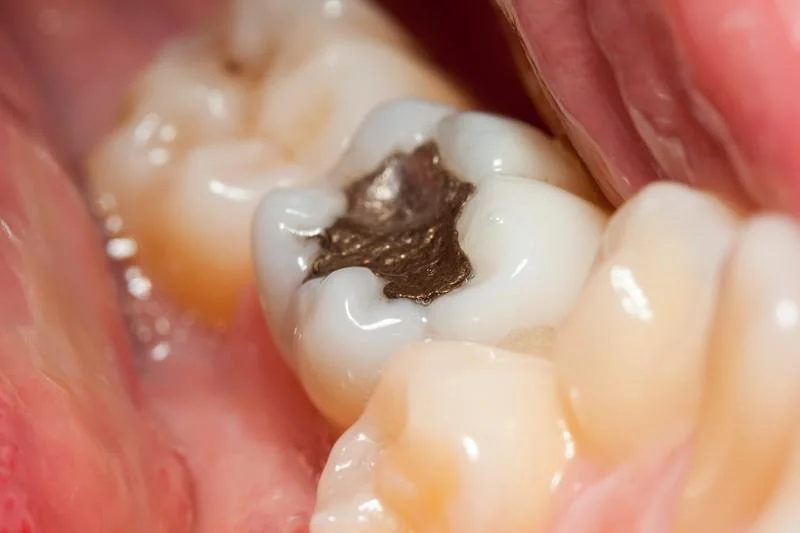
Tooth decay is one of the most common oral health concerns affecting both children and adults. When left untreated, cavities can grow larger, causing discomfort, sensitivity, and even tooth loss. Fortunately, modern dentistry offers reliable treatments that restore damaged teeth while maintaining a natural appearance. Cavities and Composite Fillings are closely connected because composite fillings provide an effective solution for repairing teeth affected by decay.
This guide explains how cavities develop, why composite fillings are widely used, their benefits, how they compare with other filling materials, and practical steps you can take to reduce your risk of future cavities.
What Are Cavities?
Cavities are permanently damaged areas in the hard surface of a tooth that develop into tiny openings or holes. They occur when bacteria in the mouth feed on sugars from food and drinks, producing acids that gradually weaken tooth enamel.
If untreated, cavities can extend into deeper layers of the tooth, affecting the dentin and pulp. This progression may result in pain, infection, and the need for more extensive dental procedures.
Common Signs of Cavities
- Tooth sensitivity to hot, cold, or sweet foods
- Persistent toothache
- Visible holes or pits in teeth
- Dark stains or discoloration
- Pain while chewing
- Bad breath caused by trapped bacteria
Some cavities develop without noticeable symptoms, making routine dental examinations essential for early detection.
What Are Composite Fillings?
Composite fillings are tooth-colored restorative materials made from a combination of resin and fine glass particles. They are designed to repair teeth damaged by decay while blending naturally with surrounding tooth structure.
Unlike traditional silver-colored fillings, composite materials closely match natural tooth color, making them a preferred option for visible teeth.
Dentists carefully remove decayed tooth material before placing and shaping the composite resin. A special curing light hardens the material, creating a durable restoration.
Why Composite Fillings Are Commonly Used
Composite fillings have become increasingly popular because they combine aesthetics with function.
Some advantages include:
- Natural tooth-colored appearance
- Bonds directly to tooth structure
- Preserves more healthy enamel
- Suitable for front and back teeth
- Repairs small to moderate cavities
- Can restore chipped or worn teeth
Because they bond directly to the tooth, composite restorations often require less removal of healthy tooth structure compared with some traditional filling materials.
How Cavities Develop
Understanding how cavities form helps explain why early treatment matters.
Step 1: Plaque Formation
Bacteria naturally live in the mouth. After eating sugary or starchy foods, bacteria combine with food particles to create plaque.
Step 2: Acid Production
The bacteria produce acids that slowly dissolve minerals in tooth enamel.
Step 3: Enamel Breakdown
As minerals are lost, weak spots appear on the enamel surface.
Step 4: Cavity Formation
If mineral loss continues, a cavity forms.
Step 5: Deeper Damage
Without treatment, decay spreads into dentin and eventually reaches the tooth pulp, increasing the risk of infection.
Early intervention with Cavities and Composite Fillings can stop this progression before more complex treatment becomes necessary.
The Composite Filling Procedure
Many people are surprised by how straightforward the process is.
Examination
The dentist evaluates the tooth using a visual examination and, if necessary, dental X-rays.
Local Anesthesia
The treatment area may be numbed to improve comfort.
Removal of Decay
Damaged tooth material is carefully removed.
Tooth Preparation
The cleaned cavity is prepared for bonding.
Composite Placement
The resin is applied in layers.
Light Curing
Each layer is hardened using a specialized curing light.
Shaping and Polishing
The filling is shaped to match the bite and polished for a smooth finish.
Most appointments are completed in one visit.
Benefits of Composite Fillings
Composite fillings provide several practical benefits for patients.
Natural Appearance
The material closely resembles natural enamel, making repairs less noticeable.
Strong Bond
Composite resin chemically bonds with the tooth, improving stability.
Conservative Treatment
Less healthy tooth structure usually needs to be removed during preparation.
Versatile Applications
Composite materials can repair:
- Cavities
- Minor fractures
- Chipped teeth
- Small gaps
- Worn edges
Comfortable Restoration
The material expands and contracts similarly to natural teeth, reducing stress during temperature changes.
Composite Fillings vs. Amalgam Fillings

Both materials have clinical uses, and the best choice depends on the size, location, and condition of the tooth.
Who May Benefit from Composite Fillings?
Composite fillings are commonly recommended for:
- Small to moderate cavities
- Front teeth restorations
- Patients seeking natural-looking repairs
- Repairing chipped teeth
- Replacing worn or damaged fillings
Every treatment decision should be based on a professional dental evaluation.
Actionable Tips to Prevent Cavities
Preventing tooth decay remains the most effective way to protect oral health.
Brush Twice Daily
Use fluoride toothpaste and brush for at least two minutes.
Floss Every Day
Floss removes plaque between teeth where toothbrushes cannot reach.
Limit Sugary Snacks
Frequent sugar consumption increases acid production.
Drink More Water
Water helps rinse away food particles and supports saliva production.
Visit the Dentist Regularly
Routine examinations identify small cavities before they become larger problems.
Consider Fluoride Treatments
Professional fluoride applications strengthen enamel and reduce cavity risk.
Eat Tooth-Friendly Foods
Include foods rich in:
- Calcium
- Phosphorus
- Vitamin D
- Crunchy vegetables
- Dairy products
Healthy dietary habits support stronger teeth.
Featured Snippet: Quick Answer
What are composite fillings?
Composite fillings are tooth-colored restorations made from resin materials that repair cavities while preserving the natural appearance and strength of teeth. They bond directly to tooth structure and are commonly used for both front and back teeth.
People Also Ask
1. How long do composite fillings last?
Composite fillings often last several years with proper oral hygiene, regular dental checkups, and healthy eating habits.
2. Are composite fillings safe?
Yes. Composite fillings are widely used and considered safe when placed by qualified dental professionals.
3. Do composite fillings hurt?
The procedure is generally comfortable because local anesthesia is often used during treatment.
4. Can composite fillings be used on back teeth?
Yes. Modern composite materials are durable enough for many back teeth, depending on the size and location of the cavity.
5. Can cavities return around fillings?
Yes. Poor oral hygiene can allow new decay to develop around existing restorations, making regular dental care important.
Frequently Asked Questions
Are cavities reversible?
Very early enamel damage may be slowed or reversed with fluoride and improved oral hygiene. Once a cavity forms, restorative treatment is typically required.
How can I tell if I have a cavity?
Symptoms may include sensitivity, pain, discoloration, or visible holes. However, some cavities have no symptoms and are only detected during dental examinations.
How long does a filling appointment take?
Many composite filling procedures are completed within 30 to 60 minutes, depending on the number and size of cavities.
Can children receive composite fillings?
Yes. Composite fillings are commonly used for both children and adults when clinically appropriate.
What happens if cavities are left untreated?
Untreated cavities can enlarge, reach the tooth pulp, cause infection, and eventually require root canal treatment or extraction.
Modern dentistry provides effective solutions for restoring teeth affected by decay. Cavities and Composite Fillings remain an important combination in preserving both oral health and natural-looking smiles. Early diagnosis, consistent oral hygiene, balanced nutrition, and regular dental visits all contribute to preventing tooth decay and maintaining healthy teeth for years to come.
cosmeticsmile.