Sign up with Google
 Sign in with Zoho

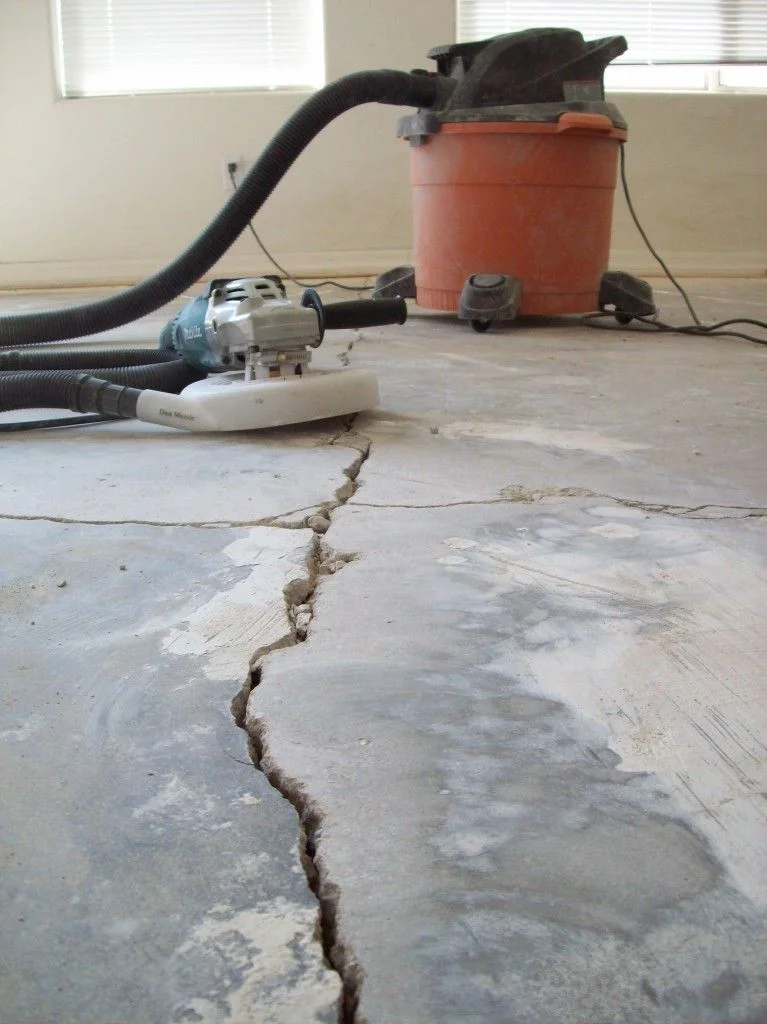
Residential concrete foundations represent the literal bedrock of modern home construction. Engineered to support massive structural loads, disperse gravitational forces, and isolate living spaces from subterranean moisture, these monolithic slabs are vital to long-term property integrity. However, concrete is an inherently brittle composite material. Over decades of service, changing soil conditions, thermal fluctuations, moisture dynamics, and regional seismic events inevitably impose mechanical stresses that lead to surface cracking, joint deterioration, and structural movement.
For Canterbury homeowners, property developers, and building contractors, addressing slab irregularities requires understanding the underlying mechanics of concrete failure. Superficial cosmetic repairs, such as trowelling thin cement paste or applying water-based patching compounds, fail to resolve subsurface stresses. A comprehensive engineering approach combining precision diagnostic evaluation, mechanical diamond cutting, and structural resin injection is essential to restore damaged foundations before laying final floor finishes.
Classifying Concrete Slab Fractures: Cosmetic vs Structural Distress
Diagnosing the nature and severity of concrete cracks represents the essential first phase of any rehabilitation project. Cracking in concrete slabs generally falls into two distinct categories: non-structural shrinkage fissures and active structural fractures.
Plastic shrinkage cracks typically develop during the initial curing phase when surface water evaporates faster than internal bleed water can reach the surface. These fine hairline cracks are generally shallow, narrow, and structurally benign, though they can compromise surface aesthetics and permit liquid ingress if left unsealed.
Conversely, structural fractures arise from external physical stresses. Differential foundation settlement, expansive subgrade soils, tree root encroachment, or regional seismic tremors generate shear stresses that exceed the tensile strength of the concrete. Structural cracks frequently extend through the full depth of the slab, displaying vertical displacement where one side of the crack sits higher than the adjacent slab. Addressing these defects requires specialised mechanical intervention rather than simple surface patching.
The Mechanical Process of Diamond V-Routing and Void Excavation
Effective remediation of concrete fissures demands meticulous preparation of the crack interface. Attempting to force repair resins into narrow, debris-choked hairline fractures results in incomplete penetration and premature bond failure. The repair material must contact sound, unweathered aggregate to establish a permanent bond.
To achieve this, technicians utilise heavy hand-held concrete saws and grinders fitted with specialised V-profile diamond blades. Diamond V-routing involves cutting directly along the fracture path, widening the fissure into a uniform channel with clean, squared walls. This mechanical grooving removes loose cement paste, clears away fractured micro-aggregates, and provides a designated reservoir for the repair compound.
During the routing procedure, continuous dust containment is imperative. Technicians couple diamond cutting tools directly to industrial cyclonic vacuum units fitted with HEPA filtration media. This closed-loop extraction captures fine crystalline silica particles directly at the cutting wheel, ensuring that interior residential spaces remain clean and free from hazardous airborne dust.
Following routing, compressed air and high-power vacuum extraction clear all residual powdered aggregate from the channel. Technicians inspect the opened fissure for subsurface voids or hollow pockets where settling soil has compromised slab support.
Low-Viscosity Epoxy Injection and Chemical Matrix Bonding
Once the crack is mechanically routed and cleaned, technicians select an appropriate structural repair compound based on the slab requirements and environmental conditions. For non-moving fractures, high-strength low-viscosity structural epoxy resins represent the industry benchmark.
Low-viscosity epoxy resins possess surface tension characteristics that allow them to draw deep into micro-fissures through capillary action. When pressure-injected into the prepared V-channel, the epoxy penetrates the full depth of the crack, chemically bonding to the exposed concrete aggregates and cement paste. Upon curing, structural epoxies achieve compressive and tensile strengths that often exceed the strength of the original concrete matrix, effectively welding the fractured slab back into a monolithic unit.
Homeowners and builders engaging professional Residential Concrete Repair Services Christchurch secure advanced structural restoration techniques that prevent ongoing crack propagation. Stabilising underlying fractures eliminates the risk of reflective cracking, ensuring that subsequent polished concrete finishes, timber planks, or floor tiles remain perfectly stable.
In situations where control joints or expansion fractures undergo ongoing thermal expansion and contraction, technicians substitute rigid epoxies with semi-rigid polyurea or polyurethane joint rebuilding compounds. These elastomeric materials accommodate microscopic slab movements while providing solid shoulder support to prevent joint spalling under heavy household or vehicle traffic.
Addressing Substrate Moisture and Vapour Transmission
Structural repair projects must also account for moisture vapour dynamics within the concrete slab. Unsealed concrete is porous, containing millions of microscopic capillary channels that draw moisture from the underlying soil through capillary action. When a solid floor covering or impermeable resin is installed over a damp slab, trapped moisture vapour exerts hydrostatic pressure, causing adhesive failure, timber warping, or coating blistering.
Professional technicians conduct quantitative moisture testing across the repaired floor using relative humidity probes or calcium chloride vapour emission tests. If elevated vapour levels are detected, technicians apply penetrating silicate densifiers or specialised epoxy moisture mitigation primers.
These chemical barriers penetrate into the concrete pores, reacting with free calcium hydroxide to form insoluble crystalline structures that permanently block rising moisture. Resolving moisture issues during the repair phase guarantees that the foundation remains structurally sound and dry for decades to come.
Establishing Long-Term Foundation Stability
Proactive foundation maintenance preserves property value, prevents progressive structural deterioration, and creates a flawless canvas for interior architecture. Addressing slab defects early prevents water ingress from corroding internal steel reinforcing mesh, which could otherwise lead to expansive concrete spalling and costly structural failure.
For Canterbury property owners seeking authoritative technical guidance and precision trade execution, engaging experienced specialists in Concrete Sealing In Christchurch guarantees that residential substrates receive thorough diagnostic evaluation, dust-controlled mechanical grinding, and industrial-grade chemical remediation. Methodical preparation ensures that residential concrete foundations remain durable, level, and structurally secure throughout their operational life.