Sign up with Google
 Sign in with Zoho

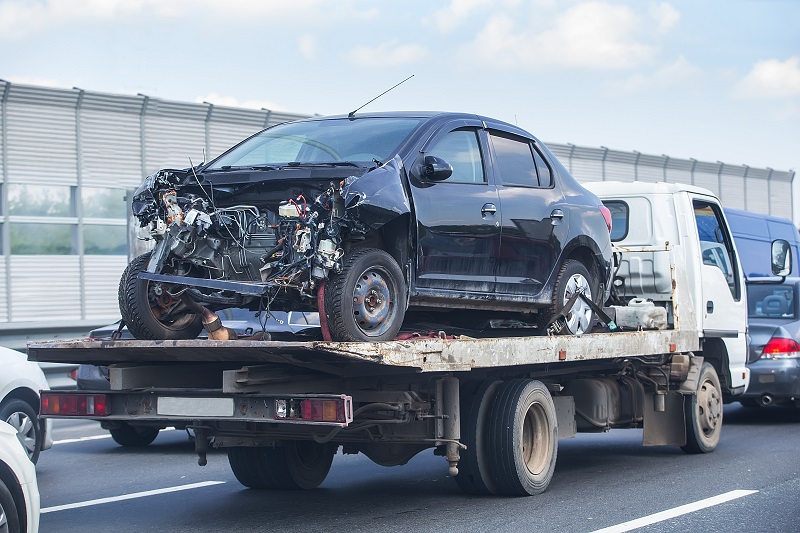
Letting go of an old vehicle in New South Wales is not as simple as handing over the keys and walking away. There are legal obligations involved, and if you skip them, the consequences can follow you for years — unexpected fines, toll notices, even parking infringements racking up on a car you no longer own. The good news? Once you understand the Notice of Disposal (NOD) process, the whole thing becomes genuinely straightforward. Whether you are selling privately, trading in at a dealership, or exploring services that offer cash for disposal cars Sydney, knowing the correct procedure protects you from the moment the vehicle changes hands.
NSW Roads and Maritime Services (now integrated under Transport for NSW) has made the NOD process more accessible than ever, yet thousands of former vehicle owners still face nasty surprises every year simply because they were not told what steps to follow after a sale. This guide is here to change that. It covers every stage of the disposal process — what to do, when to do it, and why it matters — so you can move on with complete peace of mind.
What Is a Notice of Disposal, and Why Does It Matter?
A Notice of Disposal is a formal notification submitted to Transport for NSW informing the government that you have transferred or disposed of a registered vehicle. The moment you lodge an NOD, your legal responsibility for that vehicle ceases.
Think of it as your official exit from ownership. Without it, you remain the registered operator in the government's database. If the new owner — or a scrap yard, or a wrecker — does something with that vehicle before the registration is properly transferred or cancelled, the paper trail leads back to you.
The NOD is your legal shield.
Who Needs to Lodge an NOD?
You are required to lodge an NOD if you have:
- Sold a registered vehicle privately or through a dealer
- Gifted a vehicle to a family member or friend
- Traded a vehicle in at a licensed dealership
- Surrendered a vehicle to a wrecker, scrap metal dealer, or disposal service
- Had a vehicle towed or removed from your property by an authorised service
In all of these situations, your obligation is the same: notify Transport for NSW promptly.
Step-by-Step: How to Complete the NOD Process in NSW
Step 1 — Gather Your Documents
Before you can lodge an NOD, you need to have the right paperwork in front of you. At minimum, you will need:
- Your vehicle's registration papers — specifically the registration certificate, which contains the plate number and vehicle identification number (VIN)
- Your licence or proof of identity — Transport for NSW will need to verify that you are the registered operator
- Details of the disposal — the date the vehicle changed hands, the buyer's or recipient's name and contact details (if applicable), or the name of the wrecker or disposal facility
If the vehicle was surrendered to a licensed auto-dismantler or scrap dealer, ask them for a receipt or written confirmation. This becomes important supporting documentation should any dispute arise later.
Step 2 — Lodge the NOD Through Service NSW
Transport for NSW allows vehicle owners to lodge a Notice of Disposal in three ways:
- Online via the Service NSW website — this is the fastest method and is available 24/7
- In person at a Service NSW service centre — if you prefer face-to-face assistance or have a more complex situation
- By phone — Service NSW operates a contact line that can guide you through the process
For the online method, navigate to the Service NSW website, log in using your MyServiceNSW Account, and search for "Notice of Disposal." The form asks for your registration plate number, the date of disposal, and the details of the person or entity who received the vehicle.
Processing is typically immediate online. You will receive a confirmation reference number upon submission — keep this in a safe place.
Step 3 — Cancel or Transfer Registration (If Applicable)
Lodging an NOD does not automatically cancel a vehicle's registration. These are two separate processes, and the distinction matters financially.
If you are selling to a private buyer: The buyer is responsible for transferring the registration into their name within 14 days of purchase in NSW. However, if they fail to do so, the vehicle remains in a kind of administrative limbo. Lodging your NOD protects you, but following up with the buyer to confirm the transfer was completed is a smart additional step.
If you are surrendering to a wrecker or disposal service: In most cases, the registration should be cancelled, not transferred. You can apply for a refund of any unused registration portion directly through Transport for NSW. This is money back in your pocket — do not leave it unclaimed.
If you are trading in at a dealership: Licensed dealers handle the registration paperwork on their end, but you should still lodge your NOD independently. Do not assume the dealer has done it on your behalf unless you have written confirmation.
Step 4 — Return or Retain Numberplates
In NSW, standard issue number plates belong to the vehicle, not the owner. When a vehicle is sold, the plates generally go with it. However, if you have personalised or premium plates, you have the right to keep them and transfer them to another vehicle.
To retain personalised plates:
- Log in to your MyServiceNSW Account before the vehicle changes hands
- Navigate to the plates section and elect to hold or transfer your plates to another registered vehicle
If you forget to do this before lodging the NOD, contact Service NSW as soon as possible. Acting quickly often means the plates can still be reassigned before they are flagged as inactive.
Step 5 — Confirm Your Records Have Been Updated
Give it 48–72 hours after submitting your NOD, then log back into your MyServiceNSW Account and check that the vehicle no longer appears under your registered vehicles. This is your final verification step.
If the vehicle is still showing after several days, contact Service NSW directly with your confirmation reference number. Occasionally, system processing delays occur, particularly around public holidays or peak periods.
Common Mistakes That Cost NSW Owners Dearly
Assuming the Buyer Will Handle Everything
This is the most common and costly error. In a private sale, both parties have obligations. The seller must lodge the NOD; the buyer must transfer registration. Neither action substitutes for the other. If you skip the NOD thinking the buyer will "sort it all out," you remain legally exposed.
Waiting Too Long After Disposal
There is no hard statutory deadline for lodging an NOD in NSW the way there is for registration transfers, but best practice is to submit it on the same day the vehicle leaves your possession. The longer you wait, the more potential liability sits with you.
Not Keeping the Confirmation Number
Service NSW issues a reference number the moment your NOD is submitted. Tuck that number somewhere you can find it. If a fine or notice ever arrives for that vehicle after your date of disposal, that reference is your evidence.
Forgetting to Claim Your Registration Refund
When a vehicle is written off or surrendered to a wrecker, the remaining registration period may carry a monetary value. Many NSW owners simply forget to claim this. Log into your Service NSW account and apply for the refund — the process takes minutes and the money is legitimately yours.
What Happens to the Vehicle After Disposal?
This depends on where the vehicle ended up. If it went to a private buyer in good condition, it simply continues its life under new ownership.
If it was surrendered to a licensed auto dismantler, the typical process looks like this:
- Assessment — the vehicle is assessed for parts value, recyclable materials, and overall condition
- De-registration — the wrecker notifies relevant authorities of the vehicle's end-of-life status
- Depollution — fluids including fuel, oil, coolant, and refrigerants are drained and stored for responsible disposal
- Dismantling — usable components are catalogued and made available for resale as spare parts
- Shredding and recycling — the remaining steel shell is crushed and sent to a metal recycling facility
Australia recycles approximately 500,000 end-of-life vehicles each year, with steel recovery rates exceeding 90 per cent. The environmental benefit is substantial — recycled steel uses around 60 per cent less energy to produce than virgin steel from raw ore.
Special Circumstances: Written-Off Vehicles
If your vehicle has been declared a statutory write-off in NSW, there are additional steps beyond the standard NOD process.
Statutory write-offs cannot be re-registered in NSW or most other Australian states. The Vehicle Identification Number (VIN) is permanently flagged in the Written-Off Vehicle Register (WOVR). When surrendering a statutory write-off to a wrecker or disposal service, ensure you:
- Receive written confirmation from the facility that the vehicle is being processed appropriately
- Lodge your NOD citing the disposal to a licensed wrecker
- Verify the VIN is updated in WOVR by checking the NEVDIS (National Exchange of Vehicle and Driver Information System) database
This prevents anyone from attempting to fraudulently rebuild and re-register the vehicle under a new identity — a practice known colloquially as "rebirthing."
The Bottom Line
The NOD process in NSW is not bureaucratic red tape for its own sake. It is a protection mechanism — for you, for future buyers, and for the broader integrity of vehicle ownership records. Follow the five steps outlined in this guide, keep your confirmation number, and claim any registration refund you are owed.
Done correctly, disposing of a vehicle in NSW is a clean, uncomplicated process. Done poorly, it is an open door to fines, disputes, and liability that can drag on for months. Take the 10 minutes to do it right the first time — your future self will thank you.