Sign up with Google
 Sign in with Zoho

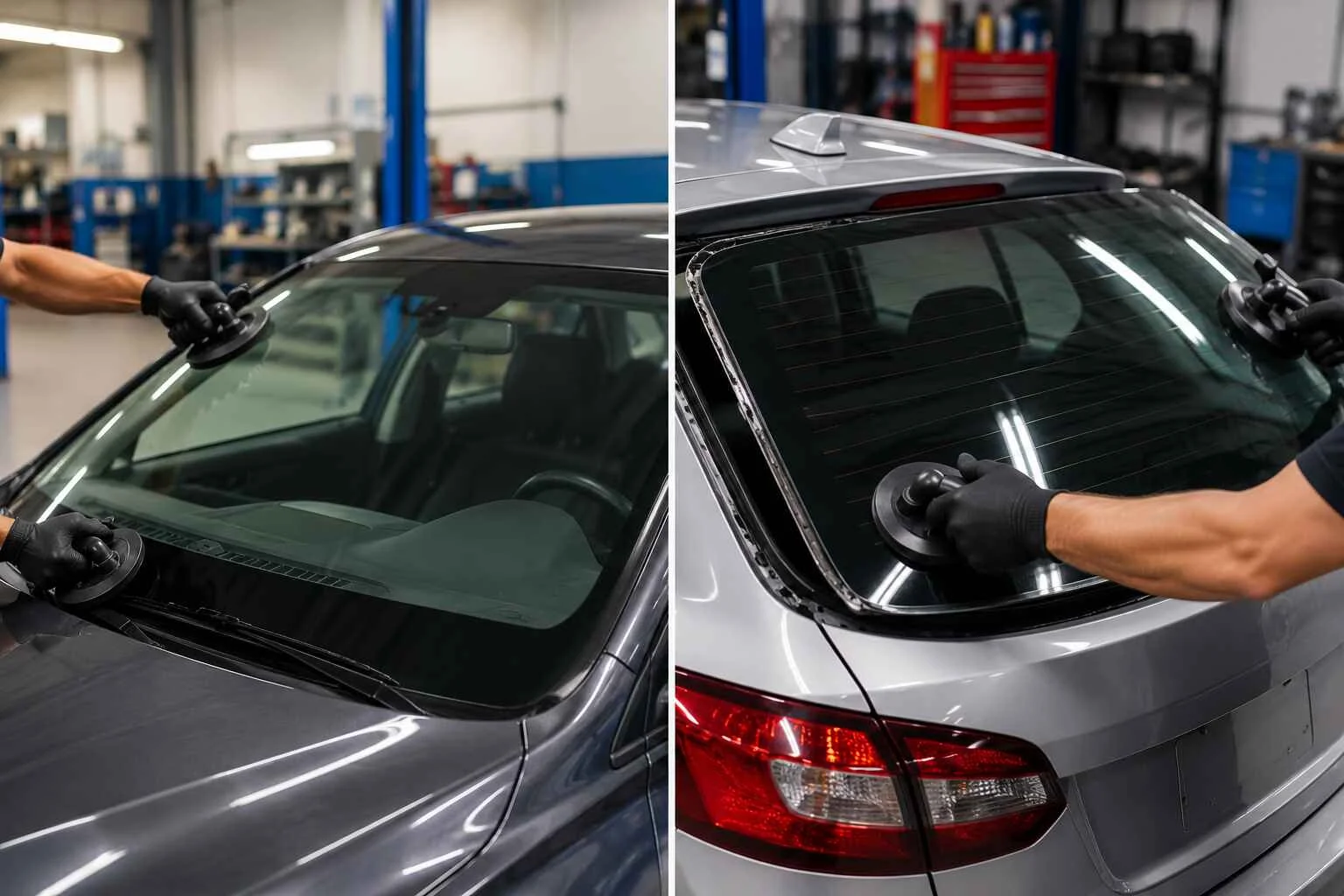
You'd think the smaller piece of glass on your car would cost less to replace, right? Smaller pane, smaller price tag, simple math. Except that's not how it works, and I've watched plenty of customers do a double take when they hear a car back glass replacement quote come in higher than what their neighbor paid for a full windshield job last month. It feels backward, but there's a real reason behind it, and once you understand what's actually built into that rear window, the price starts making a lot more sense.
Let me walk you through exactly why the glass in the back of your car can hit your wallet harder than the one up front.
The Sticker Shock Nobody Warns You About
Most people assume glass is glass. A windshield is bigger, so naturally it should cost more, and a back window is smaller, so it should be cheaper. That logic works fine for a picture frame. It falls apart the moment you're talking about a modern vehicle, because the back glass on most cars today isn't just a pane of glass sitting in a frame. It's wired, heated, and sometimes doing double duty as an antenna.
I always tell customers to think of it like comparing a plain kitchen window to one with built-in blinds, a sensor, and a heating element woven through it. Same general size, completely different price tag once you factor in what's actually inside.
What Actually Drives Up the Price
Defroster Lines and Embedded Wiring
Nearly every rear window built in the last couple of decades has a defroster grid baked directly into the glass. Those thin horizontal lines you see fogging up and clearing in the winter aren't printed on top, they're fused into the glass during manufacturing. That process alone makes the glass more expensive to produce than a plain windshield, and it also means the wiring harness connecting to those lines has to be handled carefully during installation.
Antenna and Third Brake Light Connections
A lot of vehicles route their radio antenna straight through the rear glass instead of using an external stick antenna. Add in the third brake light, which is frequently mounted on or near the back glass, and you've got multiple electrical connections that have to be disconnected, protected, and reconnected properly. None of that exists on a standard windshield installation.
Tempered Glass vs. Laminated Glass
Here's a detail most drivers have never heard: windshields are made of laminated glass, which is two layers of glass with a plastic layer sandwiched in between. That's why a windshield cracks into a spiderweb pattern instead of shattering. Back glass, on the other hand, is almost always tempered glass, designed to crumble into small, relatively harmless pieces if it breaks. Tempered glass with embedded heating elements is genuinely more complex and costly to manufacture than a plain laminated sheet, even though the piece itself is smaller.
Truck Beds and Specialty Sliders
If you drive a truck, you already know this pain firsthand. Power sliders, manual sliders, and stationary rear windows on trucks all come with their own mechanisms, seals, and sometimes motors. A car back glass replacement on a truck with a power slider involves way more moving parts than swapping a basic sedan's rear window, which pushes the price up even further.
Windshields vs. Back Glass: A Real Cost Comparison
A standard mobile windshield replacement on a common sedan often runs cheaper than people expect, especially once insurance and deductible waivers come into play in South Carolina. Back glass, particularly on trucks or SUVs with sliders, defrosters, and antenna wiring, frequently costs more out of pocket because insurance deductible waivers that apply to windshields don't automatically extend to every piece of glass on the vehicle.
I've had customers assume mobile windshield replacement and back glass work would land in the same price range, only to be surprised when the quote for their truck's rear slider comes back higher. It's not a pricing error, it's just reflecting the actual complexity of the part.
Can You Lower the Cost of Car Back Glass Replacement?
There are a few ways to keep the bill reasonable:
- Ask whether OEM glass is required or if an OEM-equivalent option is available, since aftermarket tempered glass with the same defroster specs can sometimes save you money
- Check if your comprehensive coverage applies, since even without the windshield deductible waiver, you may still only owe your standard deductible
- Get quotes from a couple of local shops, since pricing on rear glass with electrical components can vary more between providers than a straightforward windshield does
If you're getting both a windshield and a rear window handled, ask about bundling. A lot of mobile providers, ours included, will do mobile windshield replacement and car back glass replacement in the same visit, which can save you a second service call fee.
Does Insurance Treat Back Glass the Same as a Windshield?
Not exactly. South Carolina's well-known deductible waiver for glass claims specifically targets windshields under most comprehensive policies. Back glass typically still falls under comprehensive coverage, meaning it's covered, but your standard deductible usually still applies rather than being waived to zero. The Insurance Information Institute breaks down how comprehensive coverage handles different types of glass claims if you want a more detailed, independent explanation before you file anything with your carrier.
If you want a straight answer on what your specific rear window job will run, you can book an appointment online and get a real quote based on your vehicle instead of guessing from a generic price list.
Conclusion
Back glass replacement costing more than a windshield feels backward until you realize how much is actually built into that smaller pane. Defroster wiring, antenna connections, tempered glass manufacturing, and specialty slider mechanisms on trucks all add real cost that a standard windshield simply doesn't carry. Mobile windshield replacement often looks like the pricier job on paper because it's the bigger piece of glass, but once you factor in everything wired into a modern rear window, car back glass replacement earns its higher price tag fair and square. Knowing this ahead of time means you won't be caught off guard the next time you need a quote.
FAQs
1. Why does a smaller piece of glass cost more to replace than a windshield?
Back glass often includes defroster wiring, antenna connections, and sometimes motorized slider mechanisms, all of which add manufacturing and installation complexity that a standard windshield doesn't have.
2. Is mobile windshield replacement always cheaper than back glass work?
Often, yes, especially on standard sedans, since windshields don't carry embedded electrical components. Trucks and SUVs with power sliders or heated rear glass can flip that expectation.
3. Does insurance cover car back glass replacement the same way it covers a windshield?
Comprehensive coverage typically applies to both, but the deductible waiver South Carolina offers for windshields usually doesn't extend to back glass, so you may still owe your standard deductible.
4. Can a technician do both a windshield and rear window in one visit?
Usually yes. Many mobile providers can handle mobile windshield replacement and car back glass replacement together, saving you from booking two separate appointments.
5. Does a broken defroster line always mean I need full back glass replacement?
Not always. Minor defroster line breaks can sometimes be repaired with a conductive paint kit, but if the glass itself is cracked or shattered, replacement is the only real option.