Sign up with Google
 Sign in with Zoho

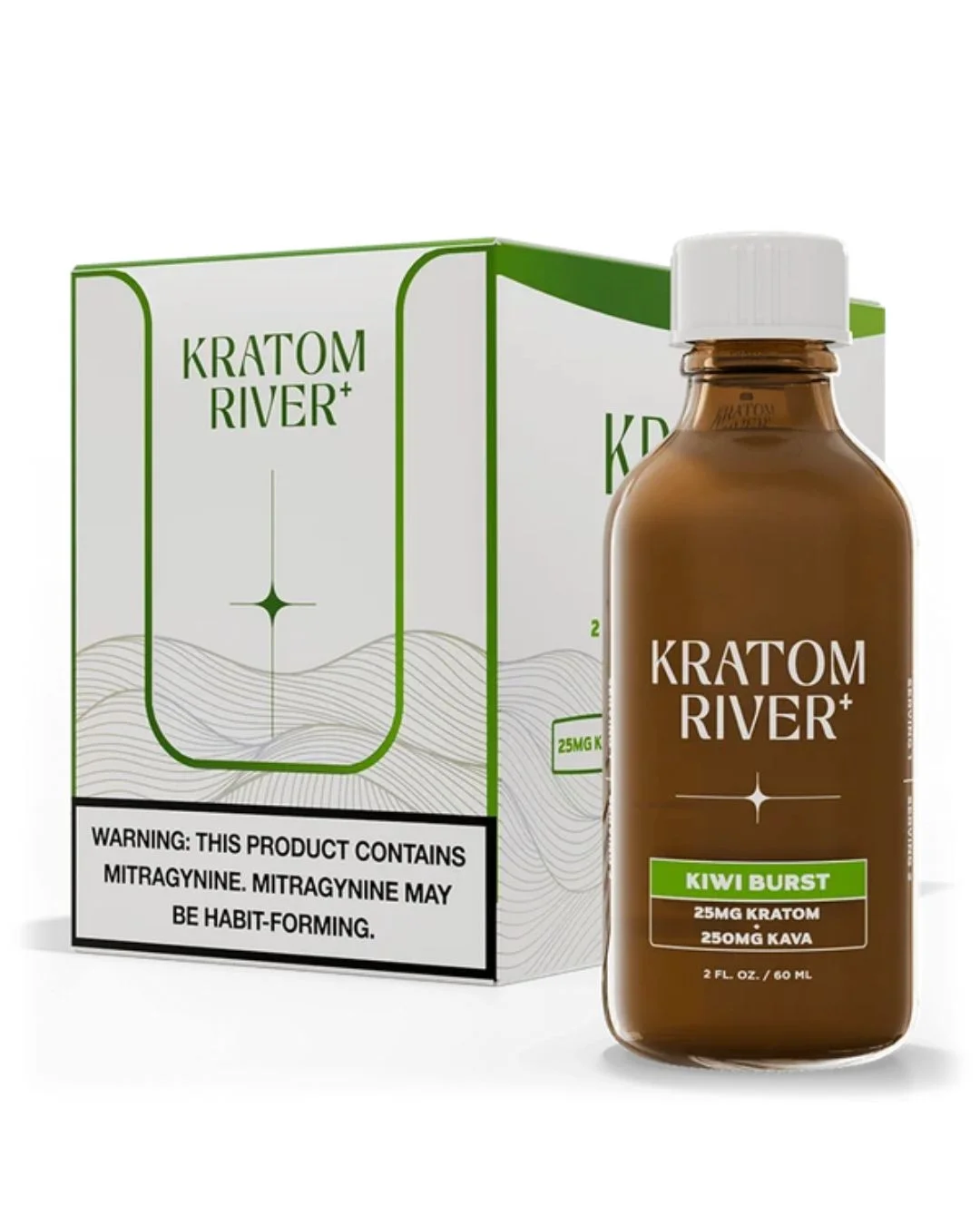
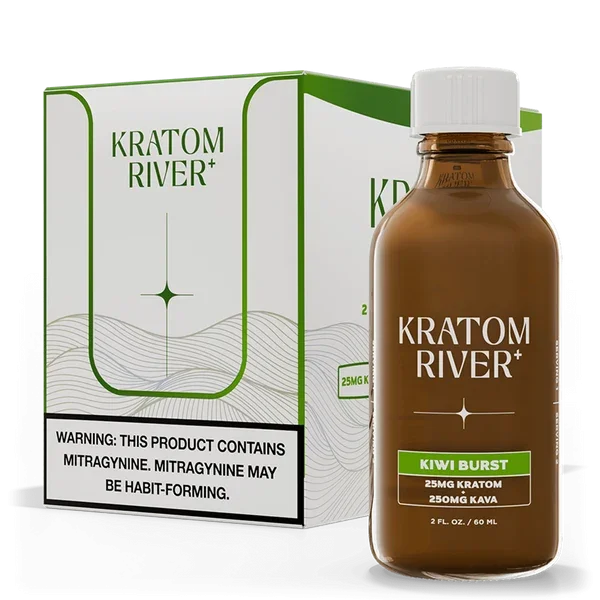
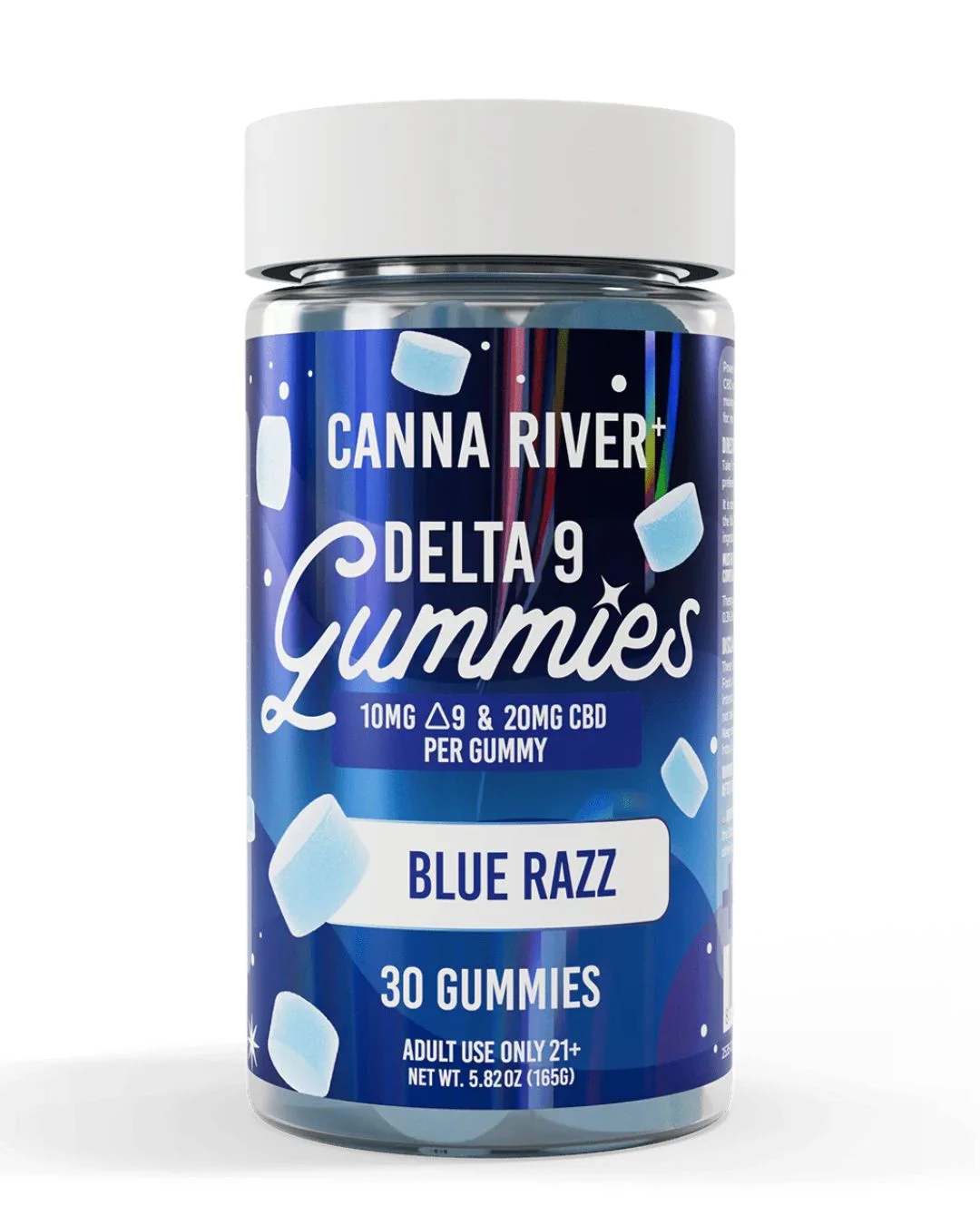
There are various Kratom products that come in different forms, such as powder form, capsule, extract, tea, gummy, and liquid form. The ingredients of these products vary widely in terms of the amount of alkaloids, concentration, quantity, and other substances contained in them. One can know the contents of a product by reading its label.
Begin with the Ingredients list
Before buying Kratom products, the next step is to look at the entire list of ingredients that go into the product. The labels should provide clear information about what kind of botanicals and additional ingredients make up the product. Extracts and enhanced products tend to have quite a different composition compared to regular leaf-based products.
The concentration is yet another aspect to consider since serving sizes could differ from one product to the other. Just because there is a bigger serving size does not automatically mean that it equals a regular serving of another product.
Going beyond marketing language
Product descriptions might contain references to stimulation, relaxation, concentration, pain relief, and other potential effects. However, these words should not be considered proof of medical effectiveness. There is a lack of scientific research on Kratom, and there are no FDA-approved medications containing Kratom or any of its components that can be used for treatment purposes.
Testing by an independent lab might also serve as an additional criterion of quality. A certificate of analysis will provide some details on tested samples in terms of their composition and some impurities. It should be kept in mind that the analysis is not conducted on all products offered by a particular company.
Attention to 7-OH
The most notable distinction relates to 7-hydroxymitragynine, more commonly known as 7-OH. While it is present naturally in minor quantities in Kratom, higher concentrations are possible in concentrated preparations. Safety issues have been raised regarding concentrated 7-OH by the FDA, and adverse side effects have been reported.
Any product with added or increased 7-OH should not be considered equivalent to regular plant leaves. At present, the FDA recommends that consumers avoid any product with 7-OH, since these products have never been proven safe and effective.
Consider quality and transparency.
When researching Kratom products, it can say more about what the seller offers than any marketing copy. Straightforward labeling, clearly identified ingredients, information about individual batches, testing reports, and accessible information about the manufacturer can all help separate snake oil from substance.
The recent regulatory actions also demonstrate the need for checking the latest information. The FDA reports include the recalls of Kratom-containing products that had mitragynine and mitragynine pseudoindoxyl, which were not mentioned on their labels, indicating that the content may not always match the laboratory results.
Make product research part of the process.
A close examination needs to be made of the formulation, serving information, ingredient list, testing documentation, and relevant regulations. By comparing these factors, products may be differentiated by quantifiable characteristics, as opposed to relying on advertising claims.
For any individual who is interested in researching Kratom products, caution is advised due to potential changes in the composition of the product and legal status. The most recent information on the safety of the products should be researched, and it should not be taken as a replacement for any medication or healthcare advice.
To know more about Canna shop near me , please visit our website: www.cannariver.com