Sign up with Google
 Sign in with Zoho
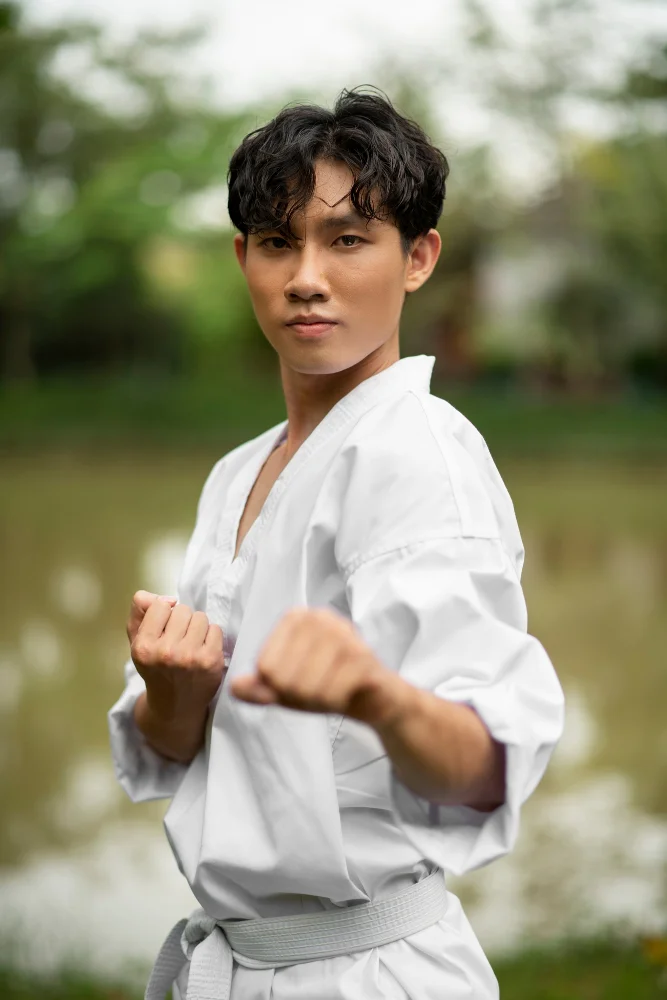
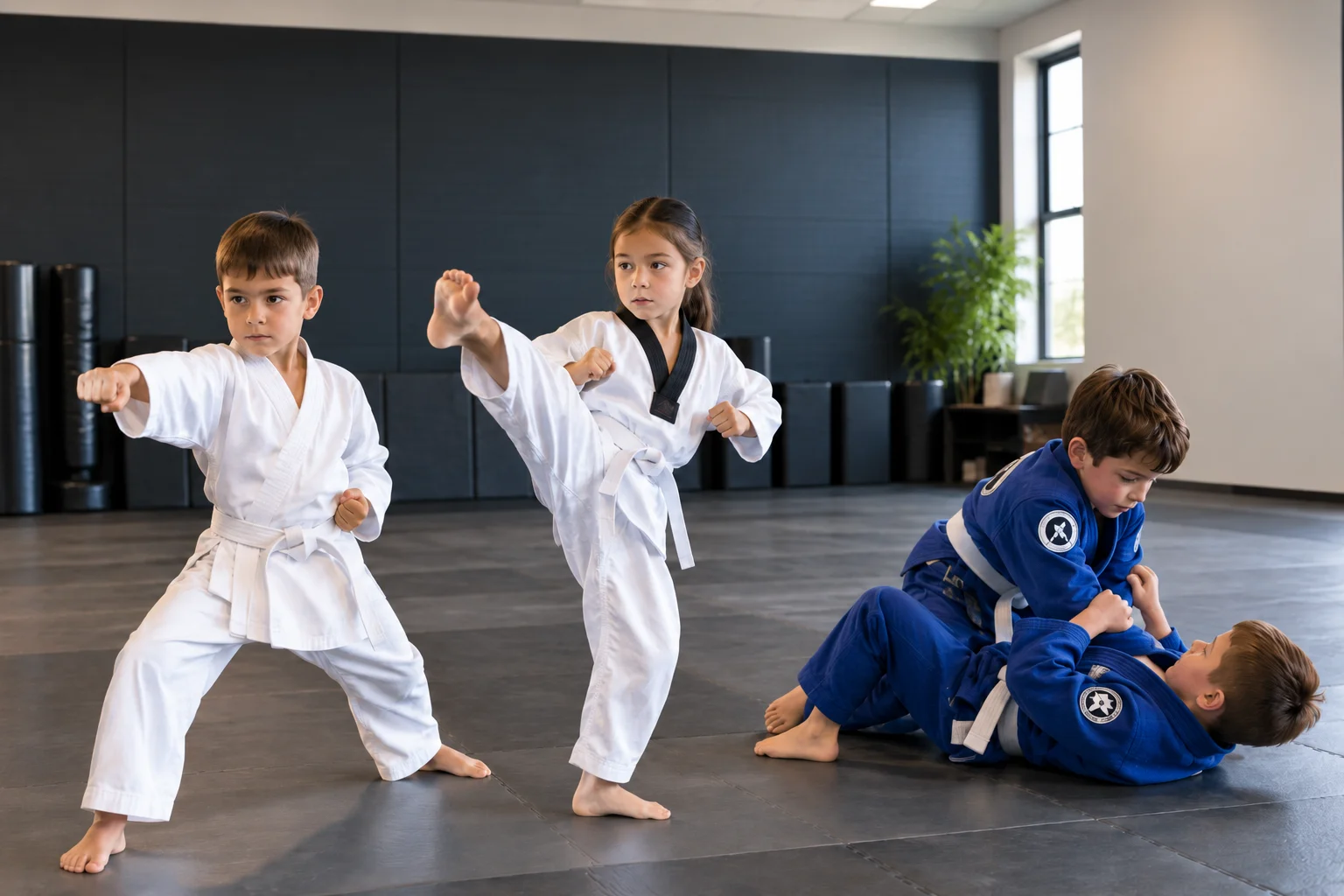
Parents looking for the best martial arts for kids often come across three popular choices: Karate, Taekwondo, and Brazilian Jiu-Jitsu. Each style can help children stay active, learn discipline, improve coordination, and become more comfortable facing challenges.
However, these martial arts are quite different in how children train and what skills they learn.
Karate focuses mainly on punches, kicks, blocks, and structured movements. Taekwondo places greater emphasis on kicking, speed, flexibility, and footwork. Brazilian Jiu-Jitsu, often called BJJ, is a grappling martial art that teaches children how to control positions, escape, and work with a training partner.
So, which martial art is right for your child? The answer depends on your child's personality, interests, age, and goals.
Quick Answer: Which Martial Art Is Best for Kids?
There is no single martial art that is best for every child.
Karate may suit children who enjoy structured learning, forms, and a combination of hand and foot techniques.
Taekwondo can be a good option for energetic children who enjoy fast movement, kicking, flexibility, and competition.
Brazilian Jiu-Jitsu may appeal to children who enjoy hands-on learning, grappling, problem-solving, and working directly with training partners.
The quality of the instructor and school environment is just as important as the martial art itself.
Karate vs. Taekwondo vs. Jiu-Jitsu: Quick Comparison
Understanding these differences can make choosing martial arts for children much easier.
What Is Karate for Kids?
Karate is a striking-based martial art that teaches punches, kicks, blocks, stances, and combinations.
Children often practice basic techniques individually before using them in controlled partner drills or sparring. Many Karate schools also use forms, sometimes called kata, where students perform a sequence of techniques in a set order.
What Can Kids Learn From Karate?
Karate training may help children work on:
- Balance and coordination
- Listening and following instructions
- Body control
- Basic striking techniques
- Patience and consistency
Karate can be especially suitable for children who enjoy structured lessons and clearly defined techniques.
What Is Taekwondo for Kids?
Taekwondo is a Korean martial art best known for its strong focus on kicking techniques.
Children may practice front kicks, side kicks, turning kicks, combinations, footwork, and forms. Flexibility, balance, and speed are also important parts of Taekwondo training.
Who May Enjoy Taekwondo?
Taekwondo can suit children who:
- Have lots of energy
- Enjoy fast movement
- Like kicking techniques
- Want to improve flexibility
- Enjoy working toward belts or competitions
Children who enjoy dynamic physical activities may find Taekwondo particularly engaging.
What Is Brazilian Jiu-Jitsu for Kids?
Brazilian Jiu-Jitsu is different from Karate and Taekwondo because it focuses primarily on grappling instead of striking.
In Brazilian Jiu-Jitsu for kids, children learn positions, escapes, control, balance, and how to respond when another person is holding or pushing them.
Students commonly train with partners, which means they have to think, react, and adjust while practicing techniques.
What Can Kids Learn From Jiu-Jitsu?
BJJ can help children practice:
- Problem-solving
- Balance and body awareness
- Patience
- Partner communication
- Grappling techniques
- Staying calm while working through difficult positions
Because students regularly solve physical problems with a partner, Jiu-Jitsu is sometimes compared to a form of physical chess.
Is Karate or Taekwondo Better for Kids?
Neither is automatically better.
The main difference is emphasis.
Karate generally uses a broader mix of hand strikes, kicks, blocks, stances, and forms. Taekwondo is particularly well known for its kicking techniques, footwork, speed, and flexibility.
A child who enjoys traditional structured movements may prefer Karate. A child who enjoys fast kicks and athletic movement may be more interested in Taekwondo.
Trying a beginner class can help parents understand which environment their child enjoys most.
Is Jiu-Jitsu Better Than Karate for Kids?
Jiu-Jitsu and Karate develop different skills.
Karate primarily teaches striking and distance management. Brazilian Jiu-Jitsu teaches grappling, positional control, and escapes.
For example, a Karate student may learn how to block or respond to a strike, while a BJJ student may spend more time learning what to do when grabbed or taken to the ground.
Rather than asking which one is universally better, parents should consider which training style fits their child's interests and learning style.
Which Martial Art Is Best for Self-Defense?
Self-defense involves more than learning techniques. Awareness, avoiding unnecessary conflict, communication, and knowing when to seek help are also important.
Karate and Taekwondo teach striking skills, while Jiu-Jitsu focuses on close-range grappling and controlling positions.
No martial art can guarantee safety in every situation. Parents should look for a school that teaches children responsible use of their skills alongside physical techniques.
Which Martial Art Is Best for a Shy Child?
A shy child can potentially benefit from any of these styles if the instructor creates a patient and supportive environment.
Some children enjoy the structured individual practice found in Karate or Taekwondo. Others become more comfortable through the partner-based training used in Jiu-Jitsu.
The child's relationship with the instructor and classmates may matter more than the specific martial art.
What Should Parents Consider Before Choosing?
Before enrolling your child in kids martial arts classes, visit the school and observe how lessons are taught.
Look at:
- Instructor experience with children
- Safety practices
- Class size
- Age groups
- Beginner support
- Teaching style
- School atmosphere
- Class schedule
- Trial class options
Most importantly, ask your child whether they enjoyed the experience.
A child who enjoys training is more likely to attend consistently and continue developing their skills.
Conclusion
When comparing Karate vs. Taekwondo vs. Jiu-Jitsu for kids, there is no single answer that works for every family.
Karate provides structured striking and traditional technique practice. Taekwondo focuses strongly on kicking, speed, and athletic movement. Brazilian Jiu-Jitsu focuses on grappling, positional control, partner training, and problem-solving.
Instead of choosing based only on the name of the martial art, consider your child's personality, goals, interests, and comfort with the instructor.
FAQs
What is the easiest martial art for kids to start?
Karate, Taekwondo, and Brazilian Jiu-Jitsu can all be beginner-friendly when classes are designed specifically for children. Instructor quality and class structure are more important than choosing the supposedly easiest style.
Is Jiu-Jitsu good for beginners?
Yes. Beginners can learn basic positions, movements, escapes, and grappling skills gradually. Children do not need previous martial arts experience to begin introductory training.
What age should kids start martial arts?
The appropriate starting age depends on the school, program, and child's readiness. Parents should look for age-specific classes with instruction suited to children's attention spans and physical development.
Is Karate or Taekwondo better for an active child?
Both can work well. Children who particularly enjoy kicking, speed, and dynamic movement may prefer Taekwondo, while Karate offers a broader combination of strikes, blocks, stances, and structured forms.
Should kids try martial arts before joining?
Yes. A trial class allows parents and children to see the instructor, teaching style, safety standards, and class environment before making a longer commitment.