Sign up with Google
 Sign in with Zoho

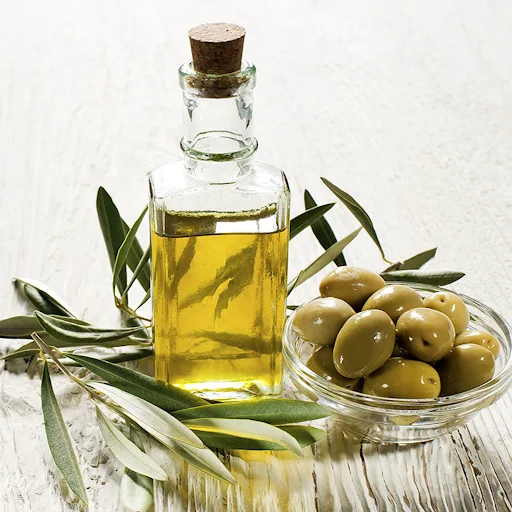
A bottle of olive oil can look very different on three shelves in the same city. One costs a little over a thousand rupees, another several times more, and both claim to be “extra virgin.” I’ve compared bottles across supermarkets and online stores, and I’ve paid for a few that disappointed me. If you’re trying to understand olive oil price in Pakistan before your next purchase, this guide explains what drives the cost, what you can reasonably expect to pay, and how to avoid overpaying for weak quality.
What Olive Oil Costs in Pakistan Right Now
Typical Retail Range
Pakistan imports most of its olive oil, so shelf prices swing with exchange rates, shipping, and duties. In early 2026, one popular Spanish extra virgin brand's 1-liter bottle ranged from ₨4,090 to ₨4,899 depending on the retailer. Smaller bottles cost less in total but more per liter, while larger tins usually give better value.
Please treat any figure as a snapshot. Prices move often, and I couldn't find a reliable, up-to-date official price list for October 2026. Check two or three current listings before you buy.
Why Prices Differ So Much
Grade, origin, bottle size, harvest year, and retailer margin all play a part. Cheaper "pure" or "pomace" oils are refined and cost far less than cold-pressed extra virgin oil. Sellers also add markups for imported labels, so the same bottle can vary by several hundred rupees between stores.
The Main Types of Olive Oil
Extra Virgin Olive Oil
Cold-pressed and unrefined, with the best flavor and the highest price. It suits salads, dips, drizzling, and gentle cooking. True extra virgin oil should have free acidity below 0.8%.
Virgin and Pure Olive Oil
Virgin oil is slightly lower in quality. "Pure" or "classic" oil is usually a refined blend with some virgin oil added, which makes it cheaper and more suitable for everyday frying.
Pomace Oil
Extracted from leftover olive pulp, it's the most affordable but has the least flavor and fewer natural compounds. It works for high-heat cooking, not for dressings.
What's Trending in Olive Oil Buying
These shifts are visible in stores and online marketplaces:
- Health-driven demand: Buyers are choosing olive oil for its monounsaturated fats and use in heart-friendly diets.
- Per-liter comparison: Shoppers increasingly calculate cost per liter instead of judging by bottle price.
- Dark glass and tin packaging: Light-protective containers are preferred because they keep oil fresher.
- Harvest dates on labels: Informed buyers look for a recent harvest date, not just an expiry date.
- Online ordering and bulk buying: Larger sizes from delivery platforms lower the cost per liter.
- Local alternatives: Interest in domestically grown olives and Pakistani-pressed oil is slowly rising.
How to Get Good Value
Compare Per-Liter Cost
Divide the price by the volume. A 250 ml bottle at a modest price can end up costing more per liter than a 1-liter bottle. Buy the size you'll actually finish within a few months, because oil loses quality once opened.
Read the Label Carefully
Look for "extra virgin," a harvest date, the country of origin, and dark packaging. Be careful with vague terms like "light" or "olive oil blend," which usually mean a refined product. When you're comparing olive oil price in Pakistan across brands, the label tells you more about value than the price tag does.
Watch for Adulteration
Because genuine extra virgin oil is expensive, some low-priced listings are blends or mislabeled. A price far below the market range, a flat smell, or a greasy taste with no peppery finish are warning signs. Buy from reputable stores with clear return policies.
Match the Grade to the Use
Save extra virgin oil for dressings, bread dipping, and finishing dishes. Use cheaper pure olive oil for regular frying. This simple split can noticeably cut your monthly spending.
Storing Olive Oil Properly
Keep the bottle in a cool, dark cupboard, away from the stove and windows. Close the cap tightly after each use, and avoid buying more than you can use in a few months. Heat and light cause oil to turn rancid, which wastes the money you paid for quality.
Final Thoughts
Good olive oil is a small luxury that can earn its place in a kitchen, but only when you buy it with a plan. Compare per-liter cost, read labels closely, and match the grade to the dish. When you keep olive oil price in Pakistan in perspective, with quality, size, and use all considered, you stop paying for packaging and start paying for what's in the bottle.