Sign up with Google
 Sign in with Zoho

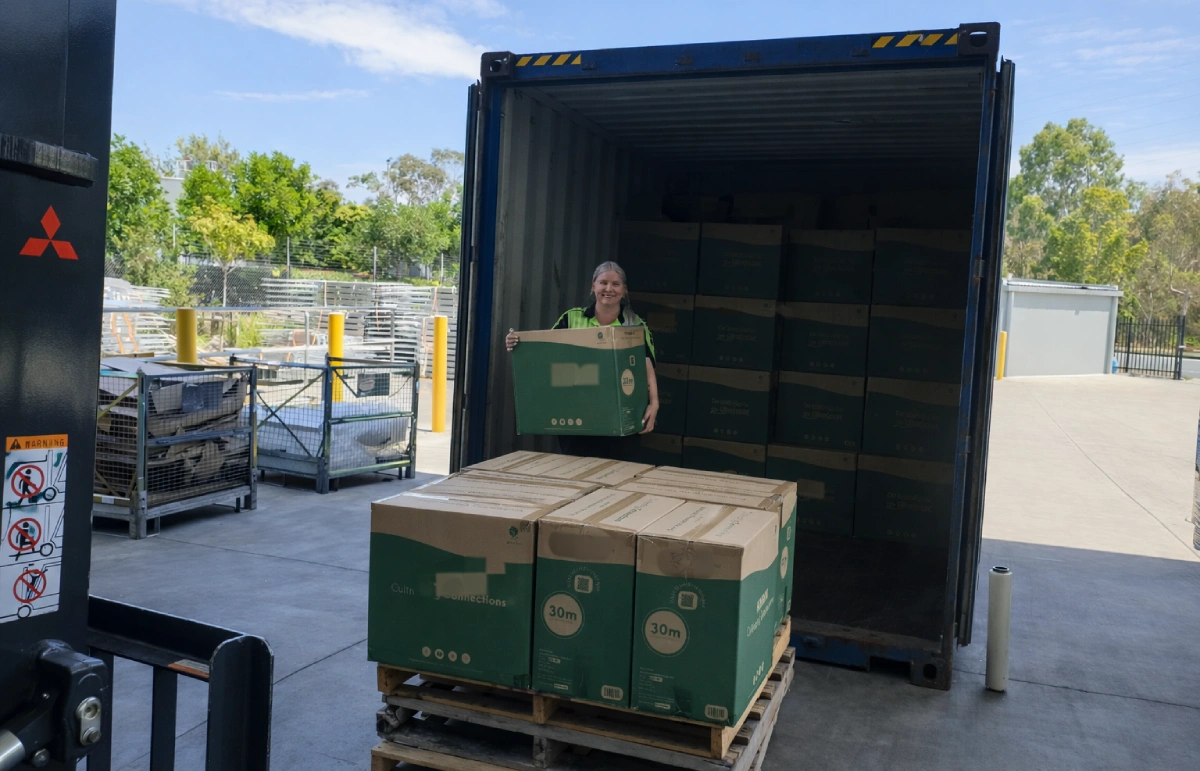
A business can have a great product, strong marketing, and loyal customers, but poor supply chain management can still create serious operational problems. Delayed shipments, inaccurate inventory, inefficient storage, and unexpected transportation costs can affect everything from daily operations to customer satisfaction.
This is why supply chain services have a much greater influence on business performance than many companies realise. When the movement of products, information, and resources is properly coordinated, businesses can operate more efficiently, control costs, respond to customer needs, and create a stronger foundation for growth.
Supply Chain Performance Starts Behind the Scenes
Customers may only see the final product and delivery, but many activities take place before an order reaches their hands. Products need to be sourced, transported, stored, managed, picked, packed, and delivered.
Each stage needs to work effectively with the others.
A problem at one point can create delays throughout the entire process. For example, inaccurate inventory information can lead to stock shortages, which may delay order fulfilment and ultimately affect the customer's experience.
Effective supply chain management connects these activities and helps businesses maintain smoother operations.
Better Inventory Control Reduces Unnecessary Costs
Inventory is one of the biggest areas where supply chain efficiency can influence business performance.
Too much stock can increase storage expenses and tie up working capital, while too little inventory can result in missed sales and unhappy customers. Finding the right balance requires accurate information and consistent stock management.
Professional supply chain solutions can help businesses improve inventory visibility and understand stock movement more clearly. This makes it easier to identify slow-moving products, plan replenishment, and avoid unnecessary stock accumulation.
Better inventory control can therefore contribute to lower operating costs and more efficient use of business resources.
Faster Order Fulfilment Improves Customer Satisfaction
Customer expectations have changed significantly. People increasingly expect orders to be processed accurately and delivered within a reasonable timeframe.
Efficient supply chain operations support this expectation by connecting inventory management, warehousing, order processing, and transportation.
When products are stored in an organised manner and orders are processed efficiently, businesses can reduce fulfilment delays. Accurate picking and packing also reduce the likelihood of customers receiving incorrect products.
These improvements may seem operational, but they have a direct effect on customer satisfaction and brand reputation.
Reliable Transportation Keeps Business Moving
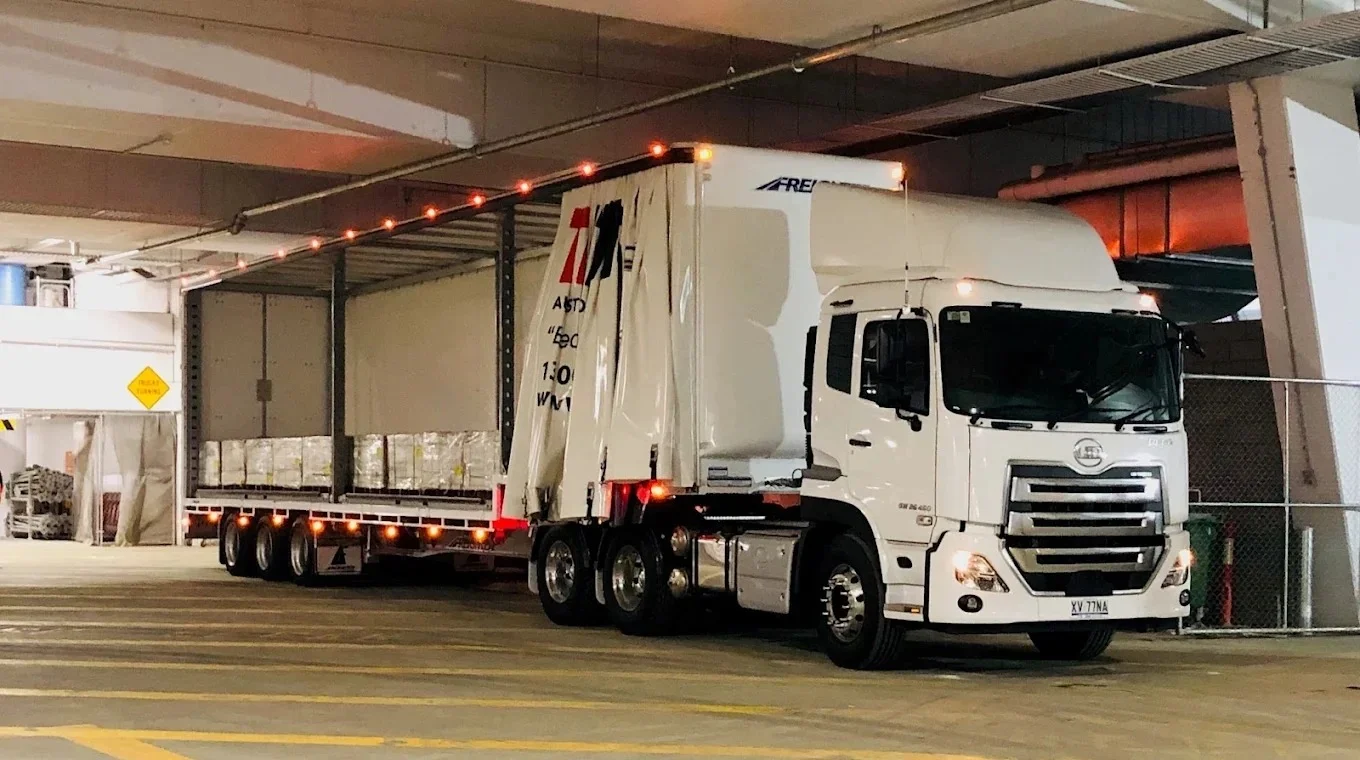
Transportation is another important part of supply chain performance.
A business can have excellent inventory management, but if products cannot reach customers or distribution points reliably, the entire operation can suffer.
Well-coordinated logistics help businesses select suitable transportation methods, plan deliveries, and manage shipment schedules more effectively.
Reliable transportation also provides greater predictability. Businesses can plan around expected delivery times and communicate more accurately with customers and suppliers.
For companies operating across multiple locations, dependable transport coordination becomes particularly important.
Flexibility Helps Businesses Handle Change
Markets rarely remain predictable for long. Seasonal demand, new product launches, supplier changes, and unexpected disruptions can all affect business operations.
A rigid supply chain can make these changes difficult to manage. Flexible operations, on the other hand, allow businesses to adjust storage, transportation, inventory, and fulfilment processes as requirements change.
This is one area where supply chain services can provide significant value. Businesses can access logistics support that adapts to changing volumes and operational requirements without having to manage every resource internally.
Flexibility can make it easier for businesses to respond to opportunities while reducing the impact of unexpected challenges.
Better Visibility Leads to Smarter Decisions
Good decision-making depends on accurate information.
Businesses need to know what stock they have, where products are located, how quickly inventory is moving, and when shipments are expected to arrive.
Modern supply chain operations increasingly use digital systems to improve this visibility. Tracking tools, inventory management platforms, and reporting systems can provide useful information throughout the movement of goods.
With better visibility, businesses can identify potential issues earlier and make decisions based on actual operational data rather than assumptions.
This can improve planning and reduce avoidable mistakes.
Supporting Business Growth
Growth can put considerable pressure on existing logistics processes.
A business that handles a small number of orders may be able to manage its supply chain with basic systems. As order volumes increase, however, manual processes can become difficult to maintain.
Professional logistics support can provide additional capacity and expertise as the business expands.
Businesses can improve warehousing, inventory management, transportation, and fulfilment without necessarily building every capability internally. This creates a more practical path for scaling operations while maintaining service quality.
A strong supply chain can therefore become an important foundation for sustainable growth.
Improving Operational Efficiency
Efficiency is not simply about completing tasks faster. It is about using time, space, labour, and resources effectively.
Well-organised supply chain processes can reduce unnecessary handling, avoid repeated work, improve warehouse utilisation, and minimise delays between different stages of an operation.
Small improvements across multiple processes can create a noticeable overall impact.
For example, better inventory organisation can reduce picking time, while improved shipment planning can reduce unnecessary transportation movements. Together, these changes can contribute to more efficient daily operations.
Supporting Quality and Product Care
Supply chain performance also affects product quality.
Goods may pass through several stages before reaching the customer, and poor handling at any stage can result in damage or deterioration.
Professional storage, careful handling, appropriate packaging, and organised transportation processes help protect products throughout their journey.
Maintaining quality reduces returns and complaints while helping businesses deliver a more consistent customer experience.
For businesses selling valuable, fragile, or sensitive products, this aspect of supply chain management can be especially important.
The Role of Sustainability
Efficient supply chains can also support more responsible business practices.
Better inventory planning can reduce excess stock and product waste. Improved transportation planning can help minimise unnecessary journeys, while efficient warehouse operations can make better use of available space and resources.
Sustainability does not always require major changes. In many cases, thoughtful planning and better coordination can reduce waste while also lowering operating costs.
This creates a practical connection between environmental responsibility and business efficiency.
Choosing the Right Supply Chain Partner
The right logistics partner should do more than provide individual services. Businesses should look for a provider that understands how different parts of the supply chain connect.
Experience, communication, flexibility, technology, storage capabilities, transportation support, and fulfilment expertise should all be considered when selecting a partner.
A reliable provider should also be able to adapt as the business changes. What works for a company today may not be suitable when its order volumes, product range, or customer base grows.
A strong partnership can help businesses continuously improve their logistics operations rather than simply solve short-term problems.
Conclusion
The impact of supply chain management often goes unnoticed when everything works correctly. However, when processes become inefficient, the effects can quickly appear through higher costs, delayed orders, inventory problems, and dissatisfied customers.
Effective supply chain services help businesses connect warehousing, inventory, transportation, fulfilment, and distribution into a more coordinated operation. The result is greater visibility, improved efficiency, better customer experiences, and stronger support for long-term growth.
At TLC Enterprise, we understand that every business has different logistics requirements. We provide practical supply chain solutions designed to help businesses manage their operations efficiently, respond to changing demands, and build a more reliable supply chain for the future.