Sign up with Google
 Sign in with Zoho

Physical security is one of the most practical responsibilities a Rockdale business owner carries. Alarms and CCTV play a useful role, but secure doors, quality locks and controlled access provide the first physical barrier against unauthorised entry. They’re what stands between your premises and a problem.
The challenge is that wear and misalignment develop gradually. A lock that was perfectly fine twelve months ago may now be stiff, a door that once latched cleanly may no longer sit square in its frame. These changes are easy to miss in the daily routine of running a business — and they often go unnoticed until a lockout or security incident forces the issue.
Here are ten practical checks every Rockdale business owner can complete to assess the condition of their shopfront security before a small issue becomes a costly one and where each check reveals a more serious concern, the team at Clockwork Locksmiths are professional locksmiths in Rockdale ready to help you address it.
Inspect Every External Door
Start the inspection at every external entrance — not just the main customer door. Rear entries, staff access doors, and any other opening that connects your premises to the outside all need the same attention.
Walk each door and look for:
- Cracks or damage around the door frame
- Loose hinges or fittings that move when the door is opened
- The door dragging against the floor or catching on the frame
- Visible gaps between the door edge and the frame when closed
- Any marks, dents or indentations consistent with a forced entry attempt
- Doors that require excessive force or repeated attempts to close properly
A strong lock can’t compensate for a damaged door or a compromised frame. The lock is only as reliable as the structure it’s fitted to.
Test Whether Doors Close and Latch Properly
Open and close each shopfront, rear and staff entrance several times in a row. The door should move smoothly, close fully and latch without needing to be pulled tight, lifted, or slammed into position.
Doors that don’t sit or latch correctly place ongoing pressure on the lock mechanism and cause hardware to fail earlier than it should. Pay attention to door closers as well — they should return the door to a fully closed position consistently, without leaving a gap or creating a hazard for people moving through the doorway.
If a door needs to be forced closed to latch, that’s a maintenance issue worth addressing now rather than later.
Examine Shopfront Locks and Cylinders

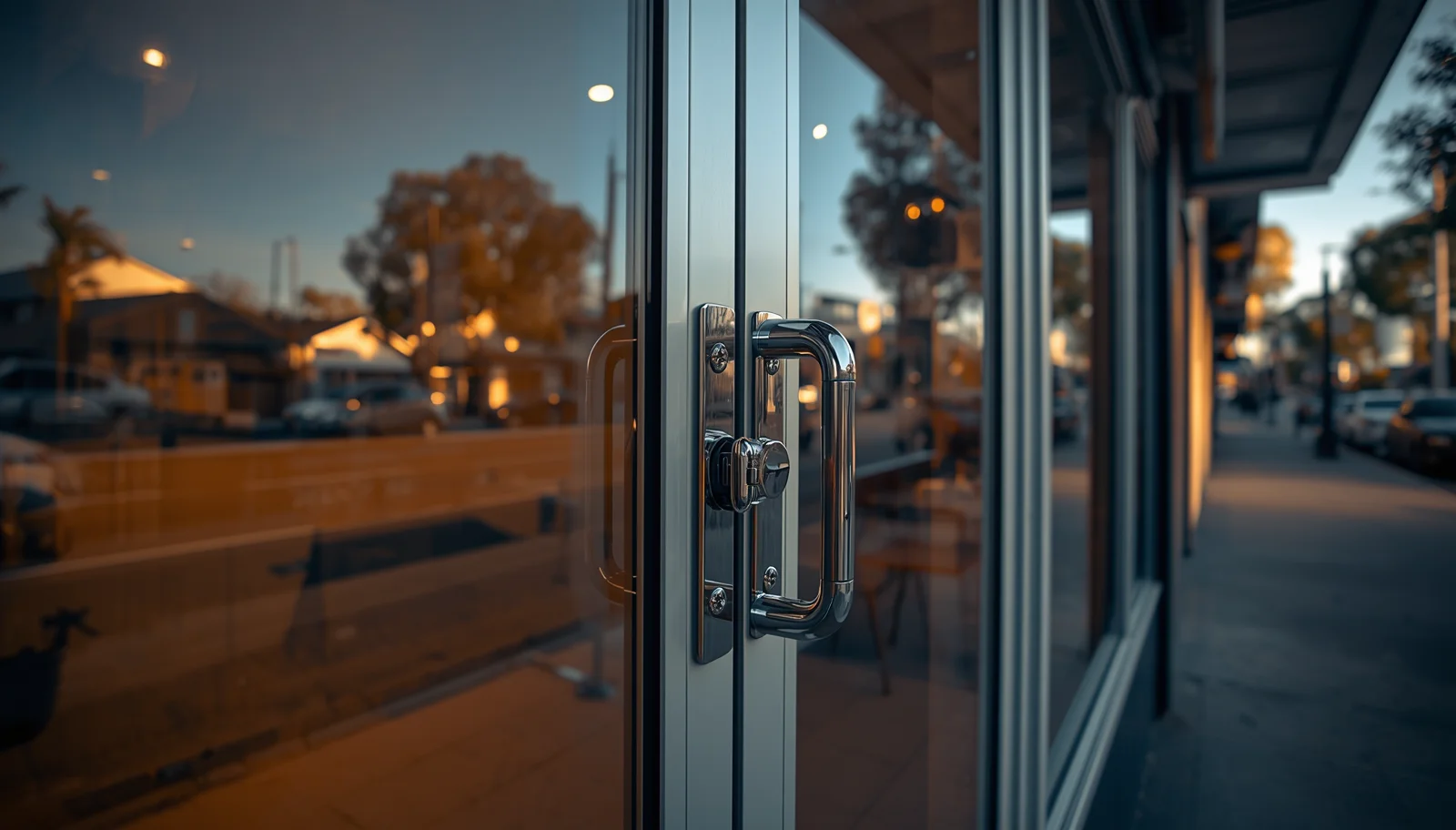
Aluminium-framed glass doors are the most common shopfront configuration across Rockdale’s commercial areas, and the lock hardware on these doors deserves a close look.
When inspecting your locks and cylinders, check for:
- A cylinder that moves or rotates when gripped — it should be fixed firmly in place
- Stiff or heavy key operation that has worsened over time
- Handles with excessive movement or play
- Locks that work intermittently or require the key to be jiggled to engage
- Keys that are becoming difficult to insert or remove
- Multipoint locks where one or more locking points no longer engage correctly
Catching these faults early gives you the option of a straightforward repair. Left too long, the same issue often means a complete hardware replacement — or an unexpected lockout during business hours.
Check Rear, Side and Service Entrances
It’s natural to focus most attention on the customer-facing entrance, but businesses are often more vulnerable at the back. Loading areas, storeroom access, and rear doors that open onto laneways or car parks deserve the same scrutiny as the front.
When inspecting these entrances, look for weak or outdated lock hardware, damaged door frames, poor or absent lighting, concealed access points that aren’t easily visible from inside, and any items left near the door that could provide assistance to someone attempting entry.
One important note: any door that serves as an emergency exit must remain fully operational and must not be fitted with security hardware that would prevent safe evacuation. If you’re unsure whether your current hardware meets those requirements, a qualified locksmith can advise you.
Review Who Has Access to Business Keys
Key control is one of the areas most businesses let slip over time. Staff change, contractors come and go, and it’s easy to lose track of how many keys are out in circulation.
Take time to compile an accurate list of everyone, current employees, contractors, cleaners, delivery personnel and former staff, who has ever been issued a key. Then ask:
- Were all keys returned when each person left?
- Are any of the keys in circulation standard cuts that can be duplicated at a hardware store?
- Are any keys labelled with the business name or address, making a lost key a more serious problem?
- Are spare keys stored securely, rather than in a desk drawer or on a hook near the door?
If a key is missing or its whereabouts can’t be confirmed, rekeying is a straightforward and cost-effective way to restore confidence in your access control.
Consider a Restricted Key System
Standard key blanks are widely available, and in most cases an ordinary key can be duplicated without any approval from the business owner. A restricted key system addresses this by controlling the duplication process through an authorised channel, keys can only be copied by the supplying locksmith, with verification from the key holder.
This makes a restricted system a stronger key-control option for businesses with multiple employees, contractors or access points. It won’t eliminate every risk, but it significantly reduces the chance of unauthorised copies being made without your knowledge.
If your current locks use standard key profiles, it’s worth asking a commercial locksmith whether a restricted system would be a practical fit for your business.
Assess Whether a Master-Key System Is Suitable
If your business has multiple areas with different access requirements, a well-designed master-key system can simplify how access is managed across the premises.
A typical structure might look like this:
- Frontline employees access the customer entrance and their immediate work area
- Supervisors or managers access offices, storage rooms and other restricted areas
- The business owner or building manager holds a master key that covers every authorised area
The key principle behind a well-designed system is least access, each person receives exactly the access their role requires, and no more. This reduces both the risk of accidental entry into sensitive areas and the consequences if a key is lost or misplaced.
A commercial locksmith can design and install a system that matches your current layout and can be expanded as the business grows.
Inspect Windows and Other Accessible Openings
A properly secured front door offers little protection if a ground-floor window or secondary opening can be forced with minimal effort. It’s worth assessing the full perimeter of your premises, not just the primary entrance.
Check ground-floor windows for worn or damaged locks, sliding doors for latches that don’t engage fully, internal doors leading from shared corridors or common areas, and any opening near a laneway, car park or low roofline that could provide concealed access.
Investing in a high-quality lock for one entrance while leaving a vulnerable window unaddressed is a common and easily avoided oversight.
Combine Locks With Lighting, Alarms and CCTV
Quality locks are the foundation of physical security, but they work best as part of a layered approach. Locks delay physical entry. Lighting improves visibility and removes the cover of darkness. Alarms and CCTV can detect suspicious activity and help document incidents when they occur.
For most commercial premises, practical measures include:
- Keeping all entrances well illuminated, including rear and side access points
- Removing objects near doorways that could conceal a person or their activity
- Displaying visible security signage at entry points
- Positioning cameras to cover primary access points and any areas not visible from inside
- Testing alarm systems regularly and replacing batteries in electronic hardware on schedule
NSW Police provides business-safety guidance that covers lighting, alarms and CCTV positioning as part of a broader crime-prevention approach — worth reviewing if you’re planning a security upgrade.
Create a Lock and Door Maintenance Schedule
Security hardware doesn’t maintain itself, and most faults develop gradually rather than appearing without warning. A simple maintenance record helps you track the condition of your locks, keys, doors and access-control equipment over time — and makes it easier to spot patterns before they become failures.
A basic schedule might include:
- Regular visual checks of all external doors and lock hardware
- Periodic key-holder reviews to confirm who has access and whether any changes are needed
- Battery replacement for electronic locks and access-control devices
- Door-closer adjustments to ensure consistent, fully closed operation
- Lubrication of lock mechanisms using products recommended by the manufacturer
- Prompt investigation of any stiffness, unusual resistance or intermittent operation
If the same fault keeps recurring, forcing the lock or making a temporary adjustment isn’t a fix, it’s a delay. Have it professionally diagnosed so the underlying cause can be properly addressed.
When to Contact a Commercial Locksmith
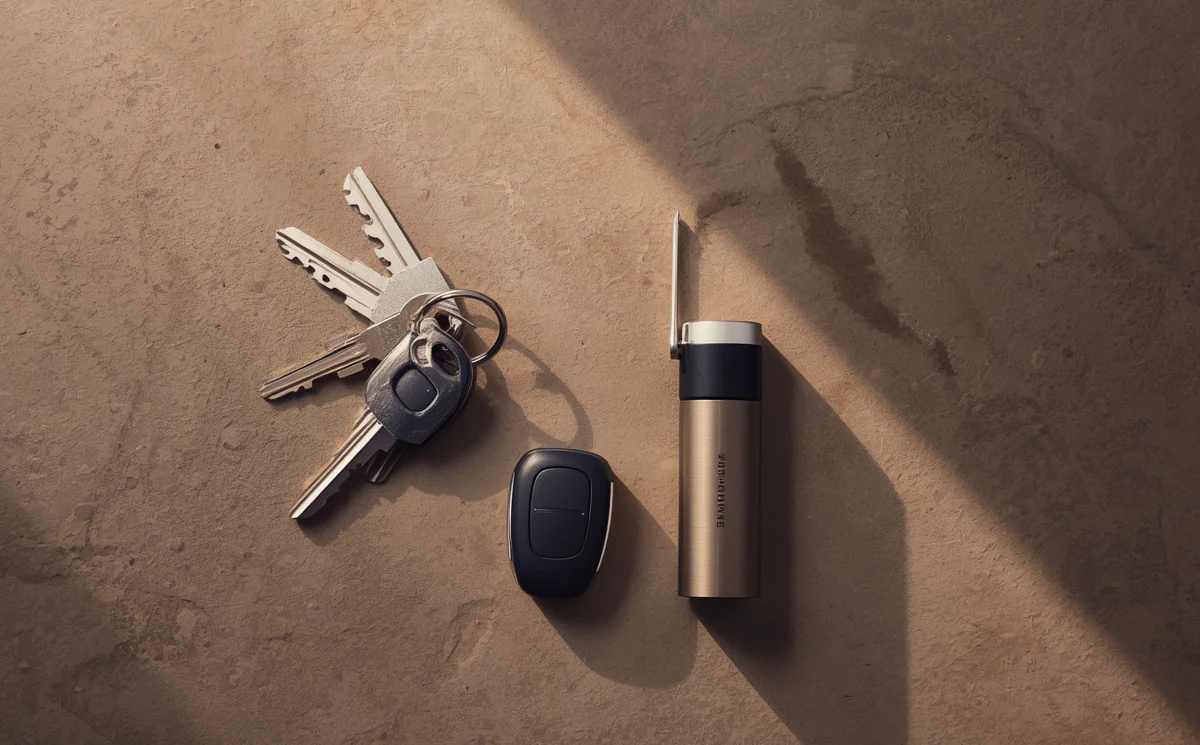
Some of the checks above are straightforward observations any business owner can make. Others may reveal issues that need professional attention.
It’s worth contacting a commercial locksmith when a lock has become unreliable or intermittent, a door no longer latches consistently, keys have gone missing or can’t be accounted for, hardware shows visible damage or signs of tampering, or you’re looking to improve access control across the premises.
A qualified locksmith in Rockdale can assess the complete entry system door, frame, lock and access requirements, and recommend a solution that’s appropriate for your premises and your budget, without overselling hardware you don’t need.
A Stronger Shopfront Starts With the Basics
Effective shopfront security isn’t about having the most expensive lock on the market. It’s about making sure the complete entry system, the door, the frame, the lock, the keys, the lighting and the access permissions is in good working order and appropriate for the way your business operates.
Running through these ten checks regularly gives you a clear picture of where things stand and helps you catch small issues before they turn into a lockout, a security incident or an expensive repair.
Clockwork Locksmiths provides commercial locksmith services in Rockdale, including shopfront lock repairs, rekeying, restricted key systems, master-key solutions and door-hardware assistance. Contact the team to arrange a practical security assessment for your Rockdale business.