Sign up with Google
 Sign in with Zoho

What Makes Private Label Clothing High Quality?
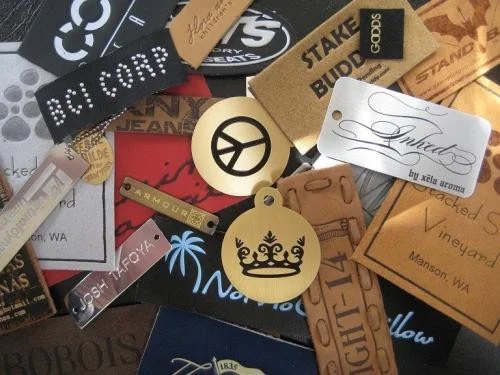
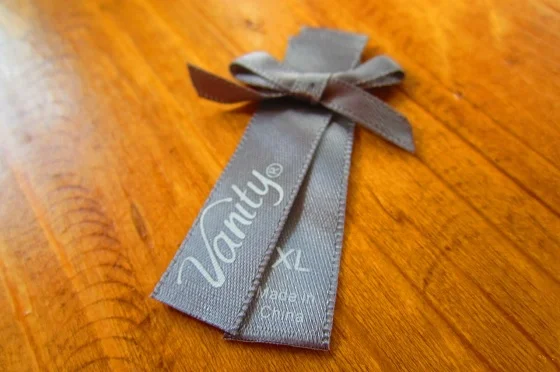
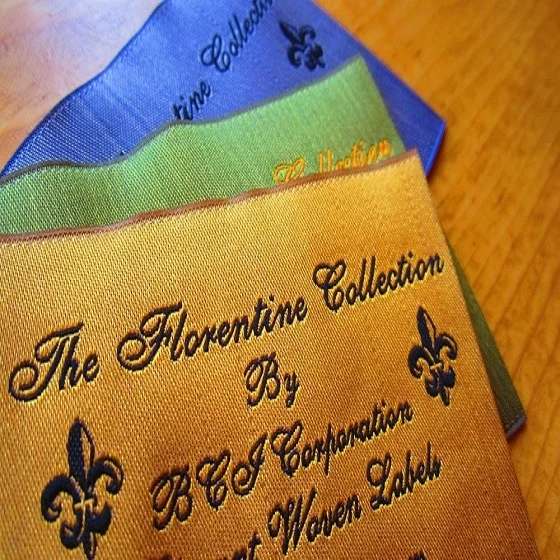
Clothing quality is influenced by much more than appearance. Fabric selection, stitching, sizing, finishing, and production consistency all play an important role in determining how a garment performs over time. For businesses creating their own apparel collections, understanding these factors can make product planning and quality evaluation much easier. High Quality Private Label Clothing typically combines suitable materials with careful construction and consistent manufacturing standards. The clothing is developed according to a specific brand's design requirements while focusing on comfort, durability, fit, and overall appearance. Each element, from the fabric to the final label placement, can affect the finished garment.
Why Does Fabric Selection Matter?
Fabric is one of the most important parts of any clothing product. Different materials offer different levels of softness, breathability, stretch, strength, and durability. Cotton, polyester, linen, viscose, wool, and blended fabrics can each serve different purposes.
The intended use of the garment should guide material selection. Lightweight fabrics may be suitable for summer clothing, while heavier materials can work better for jackets, sweatshirts, or colder-weather apparel. Checking the fiber composition and fabric weight is a useful way to understand how a garment may perform.
How Does Construction Affect Quality?
Good construction helps clothing maintain its shape and function during regular use. Straight stitching, secure seams, neat hems, properly attached buttons, and reliable zippers are some details worth checking.
Special attention should be given to areas that experience frequent movement, such as collars, cuffs, shoulders, pockets, and waistbands. Weak stitching or poorly finished edges in these areas can lead to premature wear.
Why Are Accurate Measurements Important?
Sizing consistency is another important part of apparel quality. Even a well-designed garment may not provide a satisfactory experience if measurements vary significantly between pieces.
A detailed measurement chart can help define chest width, shoulder width, sleeve length, waist measurement, garment length, and other relevant dimensions. Maintaining consistent measurements during production can make sizing easier to evaluate.
What Is a Useful Quality-Checking Tip?
One practical tip is to test a physical sample before proceeding with larger production quantities. Examine the fabric, stitching, measurements, seams, labels, colors, and finishing. Washing and wearing the sample can also reveal changes such as shrinkage, fading, stretching, or loss of shape.
This type of testing provides information that may not be visible from photographs or digital specifications alone.
How Do Specifications Support Consistency?
Clear specifications create a common reference for everyone involved in apparel production. Details about fabric composition, colors, measurements, stitching, trims, printing, embroidery, and label placement should be documented whenever possible.
Consistent specifications can reduce misunderstandings and make it easier to compare samples with finished garments. They can also help maintain similar standards when the same clothing design is produced again.
What Should Buyers Consider?
When evaluating private-label apparel, it is useful to consider several factors together rather than judging a garment by appearance alone.
Key considerations include:
- Fabric composition and weight
- Stitching and seam strength
- Accurate garment measurements
- Color and finish consistency
- Durability after washing
- Secure labels, buttons, and trims
- Comfort and suitability for intended use
Overall, quality apparel comes from a combination of thoughtful material choices, accurate specifications, careful construction, and appropriate quality checks. Understanding these elements can help businesses and buyers make more informed decisions when developing or evaluating private-label clothing.
Contact Us :
BCI-Label-Corporation
2608 2nd Ave #250, Seattle, WA 98121, United States
206-937-3000