Sign up with Google
 Sign in with Zoho

How to Choose an Engagement Ring That Feels Truly Personal
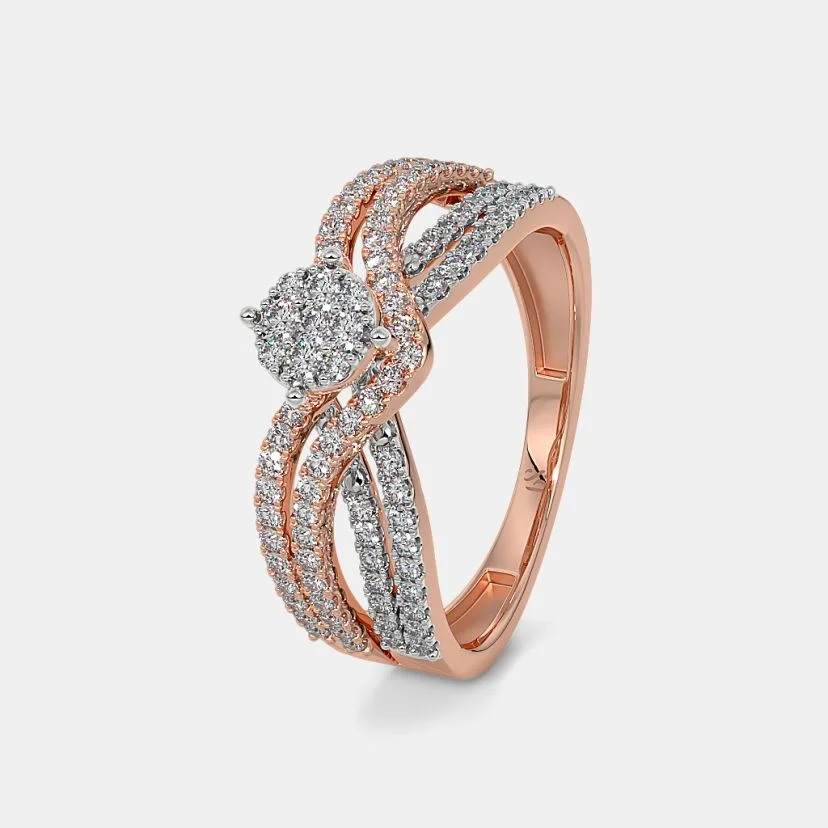
The most memorable engagement ring is not necessarily the largest one in the display case. It is the one that makes sense for the person wearing it every day. Yet shoppers often begin with carat weight or price before considering shape, setting, lifestyle, and personal style. That can make an important decision unnecessarily complicated. When comparing engagement rings for women, a better approach is to work from the wearer outward. Her everyday routine, jewelry preferences, hand proportions, and taste can all provide useful clues. Even a difference of 0.5 millimeters in band width can change how a ring looks and feels on the finger.
Which Diamond Shape Best Matches Her Style?
Diamond shape is one of the first details people notice, but each shape creates a distinctly different visual effect. Round brilliant diamonds remain a classic choice because their faceting pattern is designed to produce strong light return. Oval diamonds offer a similar sense of brilliance while creating an elongated appearance on the finger. A marquise diamond can make the hand appear longer, while an emerald cut emphasizes clarity and broad flashes of light rather than intense sparkle.
Consider her existing jewelry before choosing. Someone who wears simple, understated pieces may prefer a solitaire with a clean band. Someone drawn to vintage-inspired jewelry might respond better to an emerald-cut stone with milgrain details or a halo setting.
Proportion matters, too. For example, a 2-carat diamond can look dramatically different depending on whether it is round, oval, emerald, or marquise. The diamond's length-to-width ratio also affects its appearance. For oval diamonds, many shoppers compare ratios around 1.30 to 1.50, although personal preference should remain the deciding factor.
The goal is not to identify the universally perfect shape. It is to identify the shape that looks like something she would have chosen herself.
How Should the Ring Setting Match Her Lifestyle?
A beautiful ring still needs to work in real life. The setting determines more than appearance; it affects how securely the center stone is held and how easily the ring interacts with everyday activities.
A six-prong solitaire, for instance, offers a traditional appearance and distributes support around a round center stone. A bezel setting surrounds the diamond with metal and can be practical for someone who regularly works with their hands. A low-profile setting may also be more comfortable for people who wear gloves, exercise frequently, or prefer jewelry that does not catch on clothing.
Think about a typical week rather than the proposal moment. Imagine she works at a computer, exercises several times a week, cooks regularly, and rarely removes her jewelry. A tall setting with exposed edges may require more consideration than a lower-profile design.
Ring size matters as well. In the United States, women's engagement rings commonly fall within a broad range around sizes 5 to 7, but there is no reliable substitute for knowing the actual measurement. Even a quarter-size difference can affect comfort. If the ring is a surprise, borrowing a ring she already wears on the intended finger can provide a useful starting point, although professional sizing is still recommended before finalizing the design.
How Can You Balance Budget, Quality, and Personal Preference?
Price should not be treated as a shortcut for quality. A thoughtful purchase considers the complete ring: center stone, setting, metal, craftsmanship, and long-term wear.
The traditional “two or three months of salary” guideline has no universal basis. A more useful method is to establish a comfortable spending limit first and then decide which features matter most within it. For one shopper, diamond size may be the priority. Another may care more about color, clarity, a distinctive shape, or a particular setting.
Suppose a shopper has a $4,000 budget. Instead of automatically selecting the largest diamond available, they could compare a 1.00-carat round diamond with a slightly smaller stone featuring stronger color and clarity, then evaluate how each looks in the chosen setting. Alternatively, selecting an oval or marquise shape may provide a different visual spread without simply increasing carat weight.
For shoppers researching engagement rings for women online, Aurous Fine Jewelry offers another reference point for comparing designs, including different silhouettes and setting styles. Browsing several options side by side can help clarify which features deserve the largest share of the budget.
The important question is not “How much should an engagement ring cost?” It is “Which combination of qualities makes this particular ring worth the amount being spent?”
What Should You Check Before Buying?
Before placing an order, make a short checklist. Confirm the ring size, metal type, diamond shape, setting style, return policy, warranty terms, and expected delivery timeline.
If the center stone is certified, check which laboratory issued the report and make sure the report details match the stone being purchased. For a natural or lab-grown diamond, review the 4Cs—cut, color, clarity, and carat weight—but do not evaluate them in isolation.
Also consider the band. A 1.8-millimeter band and a 2.5-millimeter band can create noticeably different proportions, particularly beside a larger center stone. If a wedding band will eventually be worn alongside the engagement ring, check whether the setting leaves enough space for the two rings to sit comfortably together.
Finally, look at photographs from several angles and, when possible, view the ring on a hand rather than only against a white background. Small design details become easier to judge when the complete proportions are visible.
The Right Ring Starts With the Person, Not the Price Tag
Choosing an engagement ring becomes much easier when the process starts with the person who will wear it. Her style can guide the diamond shape. Her routine can influence the setting. Her existing jewelry can suggest the metal and overall design. Her budget determines how those choices come together.
There is no single formula for choosing engagement rings for women because individual preferences vary too widely. A ring that feels understated to one person may feel perfect to another. The strongest choice is one that balances beauty, comfort, practicality, and personal meaning. Whether shopping in person or researching collections online, take time to compare proportions and details rather than judging a ring by carat weight alone.