Sign up with Google
 Sign in with Zoho
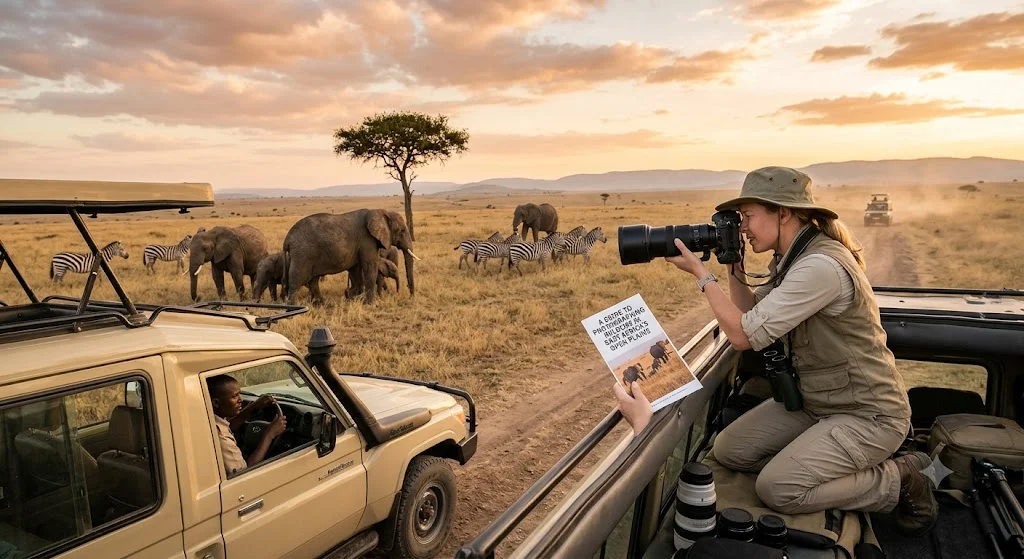
The open plains of East Africa are perfect hunting ground for wildlife photography. Rolling grasslands, acacia trees, rivers and distant hills provide a dramatic backdrop of capturing unique animals in their natural habitat. From lions lounging in a shady thicket to elephants strolling bareback across the grasslands, every safari presents a unique opportunity for wildlife photography.
Capturing wildlife on camera takes patience, preparation and an understanding of animal behaviour. A good photograph is more than a fancy camera, it also depends on the light, distance and surrounding landscape. Here are some top tips for getting great photos on a Tanzania safari or Kenyan adventure and making sure wildlife photography doesn't interfere with your safari. These tips may also assist you when looking for the best wildlife tour packages .
Understanding the Different Wildlife Photography Destinations
East Africa is host to many unique wildlife photography destinations and each offer different opportunities for capturing amazing photographs. The vast plains of Tanzania's Serengeti provide endless opportunities for capturing large herds of animals and iconic views of East Africa's big game. Kenya's Masai Mara presents more opportunities to photograph predators and large grazing animals interacting in dramatic settings. A masai mara and serengeti safari gives you an opportunity to explore one of East Africa's great plains for a unique wildlife photography experience.
Other popular wildlife photography destinations include Amboseli National Park in Kenya and the Ngorongoro Conservation Area in Tanzania. The animals you want to photograph should dictate which East African safari destination you visit. Getting prepared to photograph the local wildlife also means researching which animals are likely to be present and what kind of landscapes they frequent.
Knowing the Best Time For Wildlife Photography
Seasons play a significant role in determining what animals you are likely to see on any given East Africa wildlife photography safari. They also influence the amount of vegetation there is and lighting conditions which affect how easy it is to spot animals.
During the dry season, shorter grasses and less foliage make spotting wildlife easier. Animals tend to congregate around permanent water sources during this time providing opportunities to photograph multiple species in one location.
During the wet season, fresh grasses and leaves burst into life adding vibrant greens and blues to your photographs while the grey clouds add drama. Migratory birds are also more prevalent during this time as are younger animals born during the long rains. It can also be trickier to photograph wildlife as taller grasses obscure vision and it can be harder to navigate through muddy ground.
Research which conditions you are likely to experience during your visit but remember that East Africa's weather and wildlife are unpredictable so it is always best to be prepared for all eventualities.
Making the Most of Good Lighting When Wildlife Photography
Lighting is one of the most important factors when it comes to wildlife photography. Sunrise and sunset are usually the most dramatic times to be out and about with long shadows providing a good foreground to your photographs. Early mornings tend to be quite cool so animals congregate in groups providing great opportunities to capture big game such as elephants, buffalo or hippos. Another great time for wildlife photography is just before sunset when the sky changes to beautiful orange tones.
Midday tends not be as good for wildlife photography because of the harsh shadows cast by the sun directly overhead but this can also provide interesting images if you manage to capture the right angles. Wildlife photography during these times should focus on animals resting in the shade or using the light to create interesting shapes.
Good lighting does not always mean you need to be capturing dramatic images. Always take the time to observe the animal and the background making sure you get a good image that showcases the beauty of East Africa's wilderness.
Learning to Study Animal Behaviour
The more you know about animal behaviour the more chances you have to capture amazing photographs. Safari guides often know when animals are nearby based on the footprints or behaviour of other animals.
Look out for animals doing interesting things such as lions waking up after a nap or elephants lifting their trunks to smell the wind. Predators such as leopards, cheetahs or hyenas can be tricky to photograph as they tend to move when spooked but always remember that a good wildlife photograph is more about showcasing the animal rather than capturing it mid-hunt.
Make sure you give animals space to act naturally. Never ask your safari guide to go somewhere or do something that might disrupt the animal for a better photograph.
Investing in Good Wildlife Photography Equipment
You do not need the best equipment for wildlife photography but you do need something reliable that will not let you down in crucial moments. Look out for something fast and dependable rather than something fancy that you will not be able to use properly.
A good telephoto lens will help you get close to the action while keeping a good distance for the safety of the animals and yourself. Having a good zoom lens with versatile settings will also be handy at times when animals appear suddenly or you want to capture the beauty of the surrounding landscapes.
Make sure you bring spares for batteries and memory cards as game drives tend to be long and you never know when you might come across amazing wildlife photography opportunities. You should also invest in a good lens cloth to keep your equipment clean and a bag to protect it from dust and the odd shower. Lastly, make sure you bring a good pair of binoculars for spotting animals before attempting to photograph them.
It is always a good idea to learn how your camera works. Practice focusing, shutter speeds and other relevant settings so that you are not fiddling around when you come across a good wildlife photography opportunity.
Using Good Composition When Capturing Wildlife
Composition is all about telling a story with each photograph you take so it is important not just to get a good shot of the animal but also showcase the action happening around it. Good composition also means getting a good background for your photograph.
Avoid keeping animals in the dead centre of your frame as this can often be distracting. Try leaving space in front of the animal so that it has somewhere to move or lead the eye towards interesting actions happening in the foreground such as animals drinking from a waterhole.
It is good to get a full shot of animals especially when it comes to large herds of grazing wildlife or animals against a dramatic backdrop such as a mountain or a sky filled with storm clouds. Get up close to showcase unique markings on animals such as elephants or birds with interesting feather patterns.
Make sure you get a nice background for your photographs as cluttered backgrounds with other unrelated animals or safari vehicles can often spoil a good wildlife photograph. Always take a moment to frame the shot and make sure you are happy with the final image before pressing the shutter button.
Being Prepared to Wait When Wildlife Photography
Wildlife photography is not all about rushing around trying to get good shots whenever you see an animal. You might be staring into the endless grasslands for hours before coming across any game and even then some sightings might last a matter of seconds. Make sure you take your time when you come across good wildlife photography opportunities and do not rush to take a single shot.
It is always good to observe animals for a while before attempting to photograph them as they often do interesting things when you are watching them. Observing animals also gives you the opportunity to capture smaller creatures such as birds and insects that usually get overlooked in favour of bigger animals such as lions or elephants.
Listening to your guide and being flexible with your itinerary will also give you good wildlife photography opportunities as sightings are never guaranteed and sometimes animals appear when you least expect them. It is important to remember to be patient and give animals the space they need when taking photographs.
Maintaining Ethical Wildlife Photography Standards
Being ethical when it comes to wildlife photography is crucial as it ensures animals are not harassed or put in harm's way just for a good photograph. It also means you are aware of and adhering to any rules or restrictions in the area you are visiting. Never use food or other means to lure animals towards you and always ask permission before photographing private property.
Do not attempt to go off-road or harass animals for better photographs as this can cause them distress, damage sensitive habitats and can be dangerous for yourself and other safari goers. Always use a telephoto lens to maintain a good distance and never attempt to chase animals for better photographs.
Choose tour operators that are responsible and do not encourage unethical wildlife photography practices. Always listen to your guide when it comes to large animals and predators. A good wildlife photograph does not always mean you have to get up close and personal with the animals but rather showcase them in their natural habitat in East Africa's beautiful wildernesselandscapes.
FAQs
What is the best time for wildlife photography in East Africa?
Early morning and late afternoon tend to be the best times for wildlife photography as animals are more active and the lighting creates great shadows. The best season for wildlife photography in East Africa depends on what kind of animals and landscapes you want to capture.
Which camera lens is best for safari photography?
A telephoto zoom lens is best for safari photography as it allows you to get close to the action without invading the personal space of the animals. A versatile zoom lens will also be handy for photographing landscapes and animals at different distances.
Can beginners take good wildlife photographs on safari?
Beginners can take good wildlife photographs on safari by learning the basics of camera settings and studying animal behaviour. Making the most of good lighting also plays an important role in capturing good wildlife photographs.
How can I photograph animals without disturbing them?
Never invade the personal space of animals and always follow the instruction of your safari guide. Make sure you use a good telephoto lens to keep a safe distance.
What should I carry for a wildlife photography safari?
Make sure you bring a good camera, relevant lenses, spares for batteries and memory cards, binoculars and a good bag to protect your equipment.
Are the Serengeti and Masai Mara good for wildlife photography?
The Serengeti and Masai Mara are both fantastic destinations for wildlife photography. The animals you encounter as well as the landscapes you come across will dictate the kind of wildlife photographs you can get.