Sign up with Google
 Sign in with Zoho
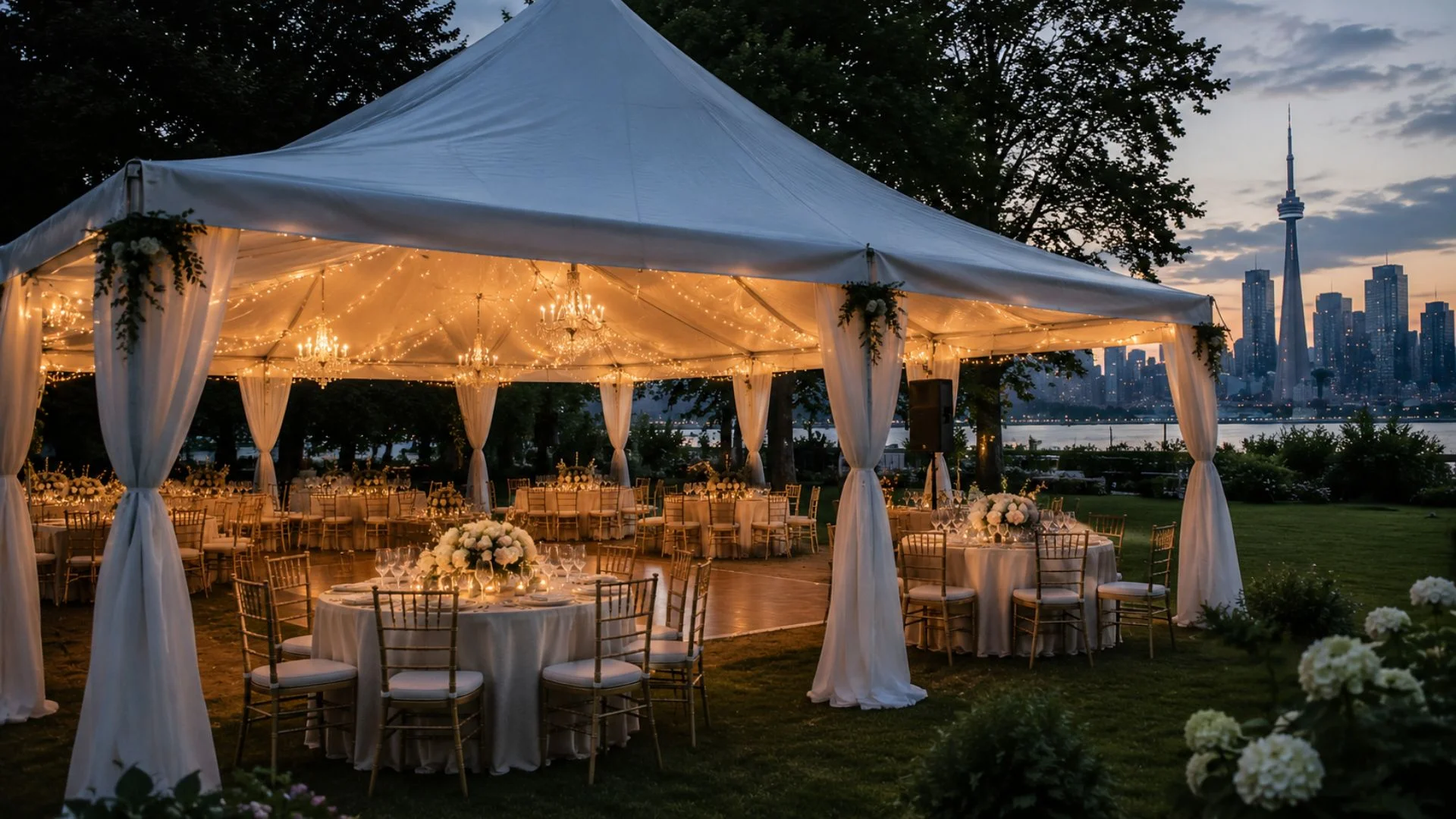
Toronto events rarely happen according to the weather forecast. A sunny afternoon can become a windy evening, while a summer shower can arrive with remarkable timing. That is why Event Tent Rentals Toronto are considered early, alongside seating, tables, catering space, and lighting, rather than as last-minute weather insurance.
A tent does more than cover guests. It defines where people gather, how food is served, where musicians perform, and how traffic moves through an outdoor venue. For a wedding, that might mean a dining area and dance floor. For a corporate event, it could mean registration, networking, catering.
Searches for Event Tent Rentals Toronto usually come from people who already have an event in mind. They may compare rental companies, estimate costs, check tent sizes, or understand what can fit in a backyard. Their questions are practical because the wrong rental becomes difficult to fix later too.
Toronto's rental market reflects that practical intent. Providers commonly promote weddings, corporate functions, backyard parties, festivals, and other gatherings, while offering tents alongside tables, chairs, linens, flooring, lighting, and catering equipment. The pattern is clear: customers rarely need shelter alone. They need a workable event setup built around it.
The Site Usually Determines More Than Guest Count
Before choosing a tent, start with the site. Measure the usable area, note fences, trees, buildings, pools, driveways, slopes, and overhead obstacles, then consider guest entry. A tent that fits the property may still create awkward circulation if tables, catering stations, washrooms, entertainment, and service access compete for space.
Guest count is only the beginning. A seated dinner needs different space from a cocktail reception, and adding a buffet, bar, stage, or dance floor changes the layout again. Two events with the same guest count can require different footprints because people are not decorative objects arranged in rows.
For weddings, the tent often becomes the reception venue itself. Round tables, head tables, dance floors, bars, buffet stations, and photography areas all need room. Couples should decide whether the ceremony, cocktail hour, dinner, and dancing share one structure or use separate spaces, because this affects capacity and movement.
Corporate events bring different priorities. Registration desks need accessible entrances, presentations need clear sightlines, and networking areas benefit from open circulation. Product launches may require display space, while conferences can need stages, screens, audio equipment, and backstage areas. The tent should support the program, not force it around itself.
Private parties are usually less complicated, but small sites can be surprisingly demanding. A backyard birthday may need room for dining, food preparation, children's activities, and guest movement without consuming every square foot of lawn. In these situations, careful placement matters more than simply choosing the largest available tent.
Choosing the Right Tent Structure
There is also the question of tent style and structure. Frame tents are commonly useful where flexibility and open access matter, while pole tents can create a traditional peaked appearance on suitable lawns. Clear-span structures are often chosen for larger, more complex events where unobstructed interior space is important.
Those categories should not be treated as interchangeable. Site conditions, anchoring requirements, available space, surface type, event duration, weather expectations, and local requirements can affect which structure works well. Rental inventory varies between companies, so comparison should be based on the actual site and event rather than generic photographs.
A common mistake is choosing a tent by guest count and stopping there. Imagine 120 guests seated at tables, with a buffet along one wall and a dance floor near the stage. The number sounds manageable until every function sits inside the same footprint. Layout is the hidden variable.
Weather planning deserves more attention than it receives. Rain is obvious, but wind, heat, cold, and changing conditions can affect comfort and operations too. Depending on the season and structure, planners may need flooring, sidewalls, heating, cooling, lighting, or accessories. The rental decision becomes more involved once weather enters.
Toronto introduces practical site considerations that are easy to overlook. Narrow driveways, condominium properties, busy streets, limited loading areas, underground utilities, and restricted access can complicate delivery or installation. A rental company needs accurate property information before the event, particularly when equipment is large or installation requires specialized access.
Toronto Permits and Temporary Structures
Permits are another issue that should not be left until installation day. Toronto states that temporary structures such as tents may require building permits, and its event guidance recommends checking permit requirements early. Permit needs can depend on structure, size, and circumstances, so assumptions are a poor planning method.
For Toronto events, the city advises organizers to contact Toronto Building to verify whether a building permit is required for temporary structures. Its guidance also notes that organizers may need engineering advice. Requirements can change with the site and structure, so a rental provider cannot replace municipal approval processes.
Insurance and public-property requirements can also enter the picture. Toronto's street-event guidance includes specific insurance requirements when applicable. That does not mean every private backyard party follows the same process. Planners should identify the event location, permissions, access requirements, and installation constraints before committing to a complicated temporary installation.
The best time to discuss these details is before choosing a rental package. Give the supplier the event date, address, guest count, surface type, intended layout, access information, and any known venue restrictions. A useful quote should reflect the installation, not just a tent price from a generic catalogue.
What Should Be Included in the Rental Budget?
Price comparisons can become misleading when they exclude practical requirements. One quote may include delivery and setup, while another may separate those charges. Flooring, sidewalls, lighting, tables, chairs, linens, and other equipment can also change the final amount. Comparing only the advertised tent price can produce an inaccurate budget.
Seasonality matters as well for outdoor events. Wedding and outdoor-event demand tends to concentrate during warmer months, and popular dates can create pressure on inventory. Booking earlier gives planners more room to compare sizes, styles, accessories, delivery schedules, and availability. Waiting may leave fewer choices, particularly for larger installations.
The rental period should be discussed. A Saturday wedding may require installation on Friday and removal afterward, depending on the venue. Corporate events can have similar constraints. Setup windows, pickup windows, venue access hours, and overnight considerations should appear in planning rather than being discovered through a locked gate.
Delivery is not simply a truck arriving with equipment. Large tents and related items may require coordinated unloading, assembly, anchoring, and placement. The crew needs enough access to work efficiently. If the installation area is behind a narrow gate or far from the driveway, mention it before scheduled delivery.
Setup quality matters because temporary structures still have to function properly. Anchoring, spacing, entrances, and interior clearance all affect the finished installation. A tent can look acceptable in a photograph while creating problems if placement blocks catering access, service routes, or guest movement inside the space. Planning prevents this.
Tables, Catering, Lighting, and Flooring Matter Too
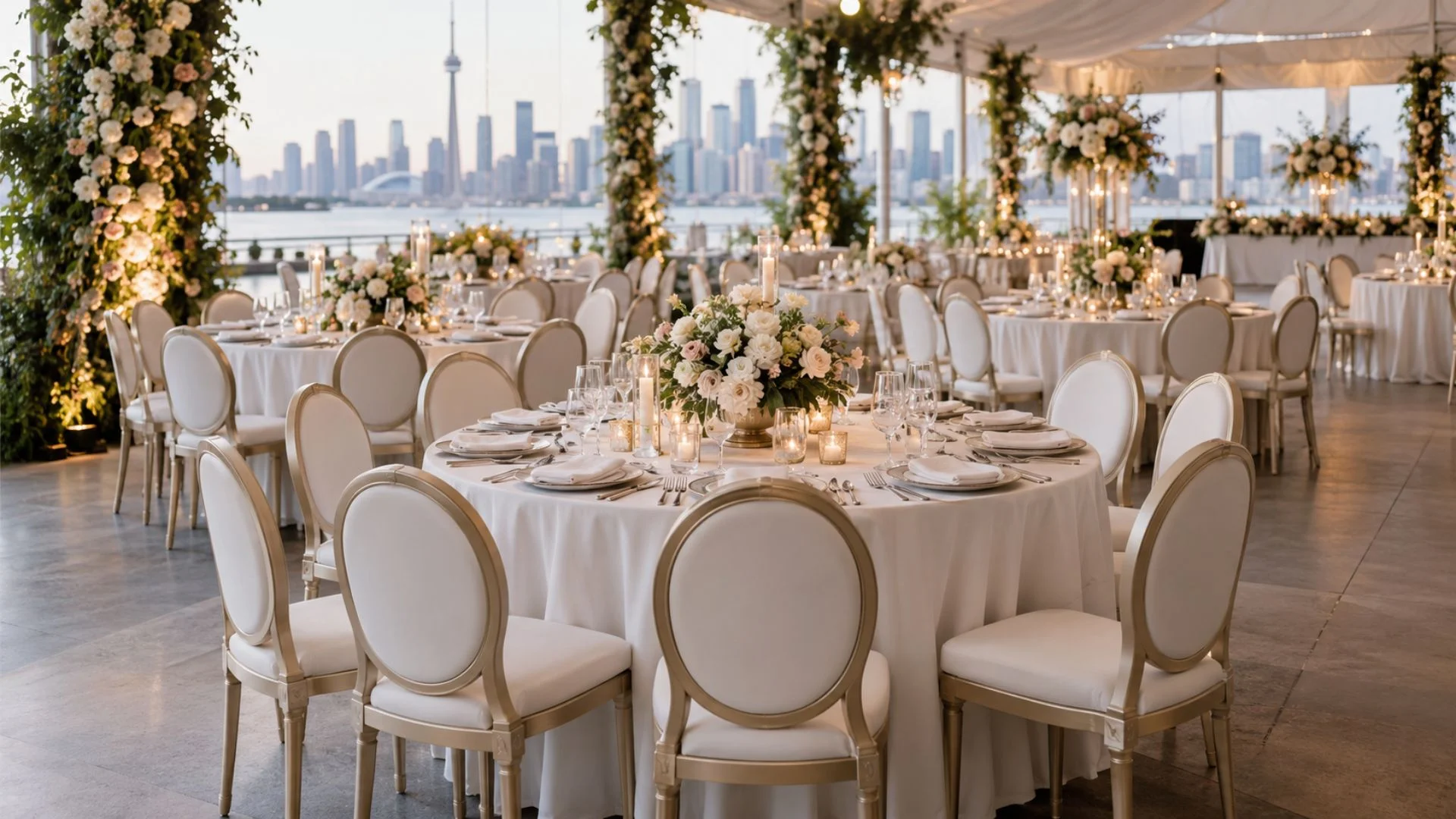
This thinking applies to tables and chairs. Once the tent is selected, seating should be planned around the event format rather than purchased as an afterthought. Rectangular banquet tables, round tables, cocktail tables, and chairs can change circulation. Linens and table settings become part of the same spatial decision.
For catered events, remember the people working behind the scenes. Caterers need staging areas, preparation space, access routes, and sometimes equipment such as chafing dishes or beverage stations. Guests may never notice these details when they work well. They notice them when a server squeezes through an overcrowded area.
Lighting deserves similar attention. Natural daylight may be enough for an afternoon gathering, but evening events need a lighting plan. Lighting should support dining, entrances, pathways, presentations, and entertainment without glare. Decorative lighting can be attractive, but clear visibility comes first when people are moving around safely at night.
Flooring depends heavily on the site. Grass, pavement, patios, gravel, and uneven ground each create different considerations. Flooring can improve stability and comfort, especially for formal events or spaces with substantial foot traffic. It may also affect how tables, chairs, dance floors, and equipment are arranged inside the tent.
A rental plan leaves some flexibility. Guest numbers can change, weather can shift, and a venue may impose restrictions that were not obvious during the first visit. That does not mean renting far more equipment than necessary. It means identifying fixed decisions and those with room to move later.
How to Compare Toronto Tent Rental Companies
When comparing Event Tent Rentals Toronto providers, look beyond photographs. Ask how the company handles site assessment, delivery, setup, pickup, equipment condition, scheduling, and changes. You are renting more than fabric and poles. You are coordinating a temporary structure with a deadline, so service reliability matters on event day.
Inventory condition is worth checking, particularly for weddings and formal corporate events. Clean tent tops, intact sidewalls, stable tables, usable chairs, and presentable linens contribute to the setting. Rental equipment gets used repeatedly, so maintenance standards matter more than polished website language. Recent installation photos can provide useful context.
Communication becomes especially important when several suppliers are involved. A planner may coordinate the venue, caterer, entertainment, florist, photographer, and rental company. If delivery timing changes or the installation area becomes unavailable, someone needs to know quickly. Responsive communication cannot solve every problem, but poor communication creates avoidable ones.
For a backyard event, access matters. Gates, driveways, landscaping, sprinklers, underground services, and neighbouring properties can affect installation. If the tent must be positioned close to a house or other structure, the supplier may need additional information before confirming the arrangement. Guessing from a satellite image is not planning.
For venues, the process can be more structured. Properties have preferred vendors, loading schedules, noise restrictions, approved zones, or rules about staking and anchoring. Ask the venue for its requirements before requesting a rental plan. A tent that works on paper may not be permitted at the selected location.
Choosing a Full Event Rental Partner
For large public or corporate events, the planning process expands again. Temporary structures can interact with permits, engineering, insurance, emergency access, crowd movement, electrical services, power, and other site requirements. Toronto's event guidance encourages organizers to review temporary structures during planning and consult professionals when required by the site.
AS Special Events serves Toronto and the GTA with tent rentals alongside chairs, tables, linens, dinnerware, glassware, flatware, charger plates, and event equipment. That inventory can simplify planning when the tent is one part of the setup. The company is based at 80 Midwest Rd #24 in Scarborough, Ontario.
The practical advantage of using one rental provider is not automatically lower cost. It is coordination. When tents, seating, tables, linens, and related equipment come from the same company, delivery and setup can sometimes be planned as one operation. Whether that works depends on inventory, schedule, site, and quotation.
A useful Event Tent Rentals Toronto checklist starts with the site, guest count, event format, desired layout, access, installation surface, weather considerations, venue rules, and permit requirements. Then add the equipment that supports the actual program. This order prevents selecting attractive rental pieces before understanding how everything must fit.
The final choice should feel less like buying a tent and more like solving a temporary space problem. A good structure fits the property, supports the schedule, accommodates people working inside it, and leaves enough room for guests to move comfortably. Careful planning matters more than the biggest option.
Another practical question is what happens after installation. At an event's end, tables may need clearing, catering equipment removed, and guests directed toward exits. Pickup timing should account for the venue's closing schedule and the rental company's route. A smooth, predictable teardown is planned before the first guest arrives.
Search results for Toronto tent rentals repeatedly emphasize full-service support, equipment variety, and event-specific planning. That reflects the buying decision. Customers are not searching for theory about tents. They are trying to find a supplier that can provide suitable equipment, meet deadlines, and handle the physical work on site.
For planners comparing Event Tent Rentals Toronto options, useful questions are straightforward: What fits the site? What does the quoted price include? Who handles setup and pickup? Are permits or engineering documents needed? What happens if the schedule changes unexpectedly? Clear answers are more useful than another polished gallery.





.webp)