Sign up with Google
 Sign in with Zoho

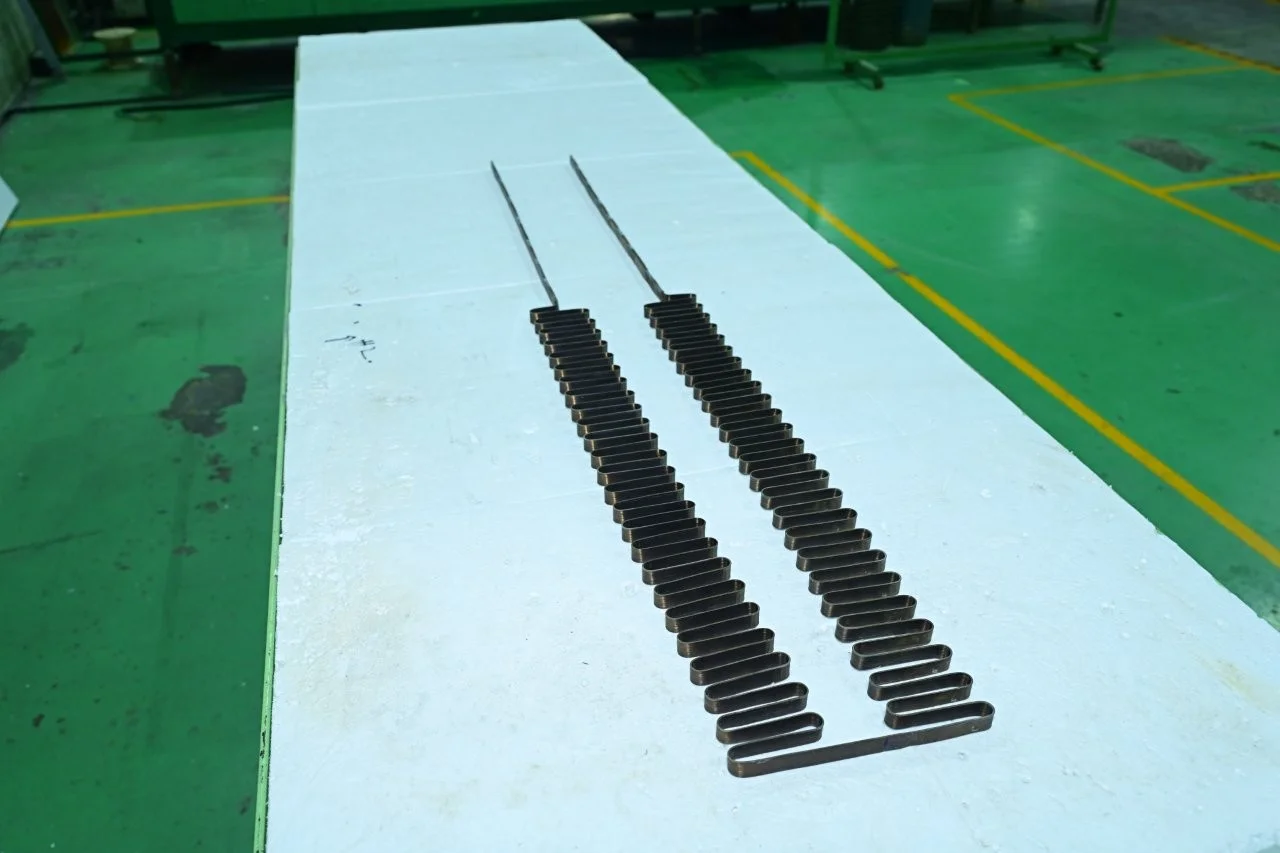
Ever wondered what makes Fibrothal heating elements so reliable in extreme heat conditions? If you’ve come across them in industrial settings and felt a bit confused, you’re not alone. These advanced heating components are designed to handle high temperatures efficiently while staying lightweight and durable.
Today, we’ll break down what Fibrothal heating elements are, how they work, and where you’ll typically see them in action without getting overly technical.
Understanding What Fibrothal Elements Actually Are
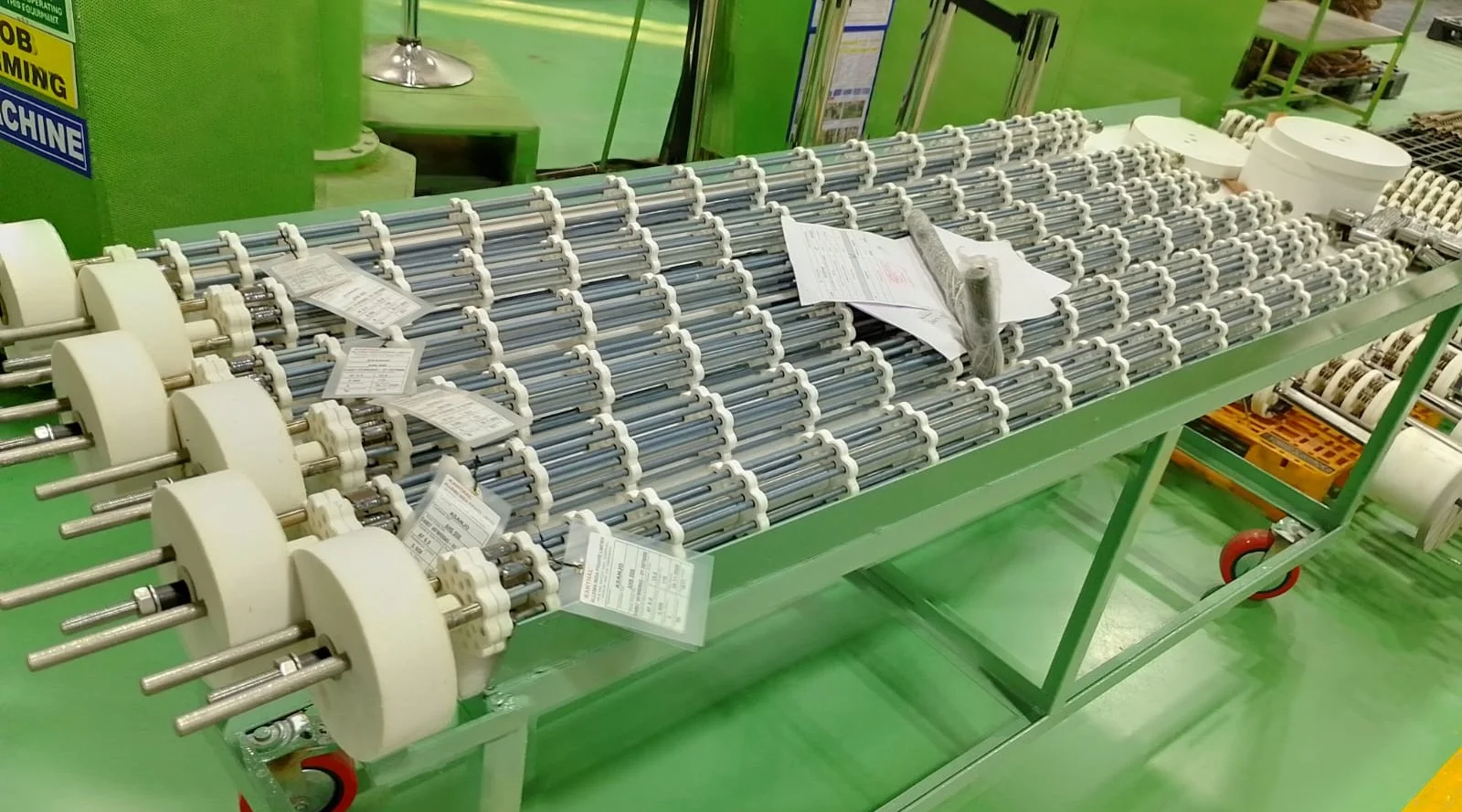
Fibrothal heating elements consist of resistance wire embedded directly within ceramic fibre modules. This construction merges heating and insulation into a single integrated component. That combination makes them distinctly different from traditional standalone heating elements used previously.
The Basic Construction Explained
Here's how these elements typically come together during manufacturing:
● Resistance wire coiled precisely within fibre module channels
● Ceramic fibre blanket providing structural support and insulation
● Modular panel design allowing flexible furnace configuration
● Lightweight structure reducing overall furnace mass significantly
Why Ceramic Fibre Insulation Matters
A ceramic fibre insulated heater reduces heat loss far better than traditional brick-lined furnace designs. Ceramic fibre holds minimal thermal mass, meaning less energy gets wasted heating the surrounding structure. This property directly improves overall furnace energy efficiency considerably.
Key Advantages of Fibrothal Elements
Below are some practical benefits these elements offer industrial users:
● Faster furnace heat-up compared to conventional refractory linings
● Reduced energy consumption through minimal thermal mass
● Lightweight modules simplifying installation and maintenance work
● Uniform heat distribution across furnace chamber surfaces
● Longer service life under repeated thermal cycling conditions
Typical Temperature Range and Applications
Fibrothal heating elements generally suit furnaces operating within high-temperature industrial ranges reliably. Their design accommodates continuous operation without frequent structural degradation. This reliability makes them suitable across various heat-intensive industrial processes.
Industries That Rely on Fibrothal Elements
Here are some sectors commonly using this heating technology today:
● Ceramic and technical ceramics manufacturing facilities
● Advanced heat-treatment laboratories
● Aerospace component testing and processing furnaces
● Powder metallurgy sintering operations
● Research and development thermal testing units
Why Industries Are Shifting Toward This Technology
Fibrothal heating elements are preferred by manufacturers since they assist in minimising their costs of production to a large extent. The lower thermal mass allows the furnace to attain its desired temperature fast, hence utilising energy effectively. This makes it very attractive for industries that are practising sustainable manufacturing.
Installation and Maintenance Considerations
Modular panels make it possible for workers to change panels separately without having to take apart the whole furnace. This makes the process less time-consuming when there is a need for repairs and maintenance. Facilities benefit from quicker turnaround times and reduced production interruptions.
Final Thoughts
Fibrothal heating elements represent a real advancement in industrial furnace technology today. Their efficiency, adaptability, and reduced energy consumption explain growing industrial adoption. As manufacturing prioritises sustainability, fibrothal heating elements from reliable suppliers like Asanjo Heating continue proving their value across countless high-temperature applications worldwide.