Sign up with Google
 Sign in with Zoho

Introduction
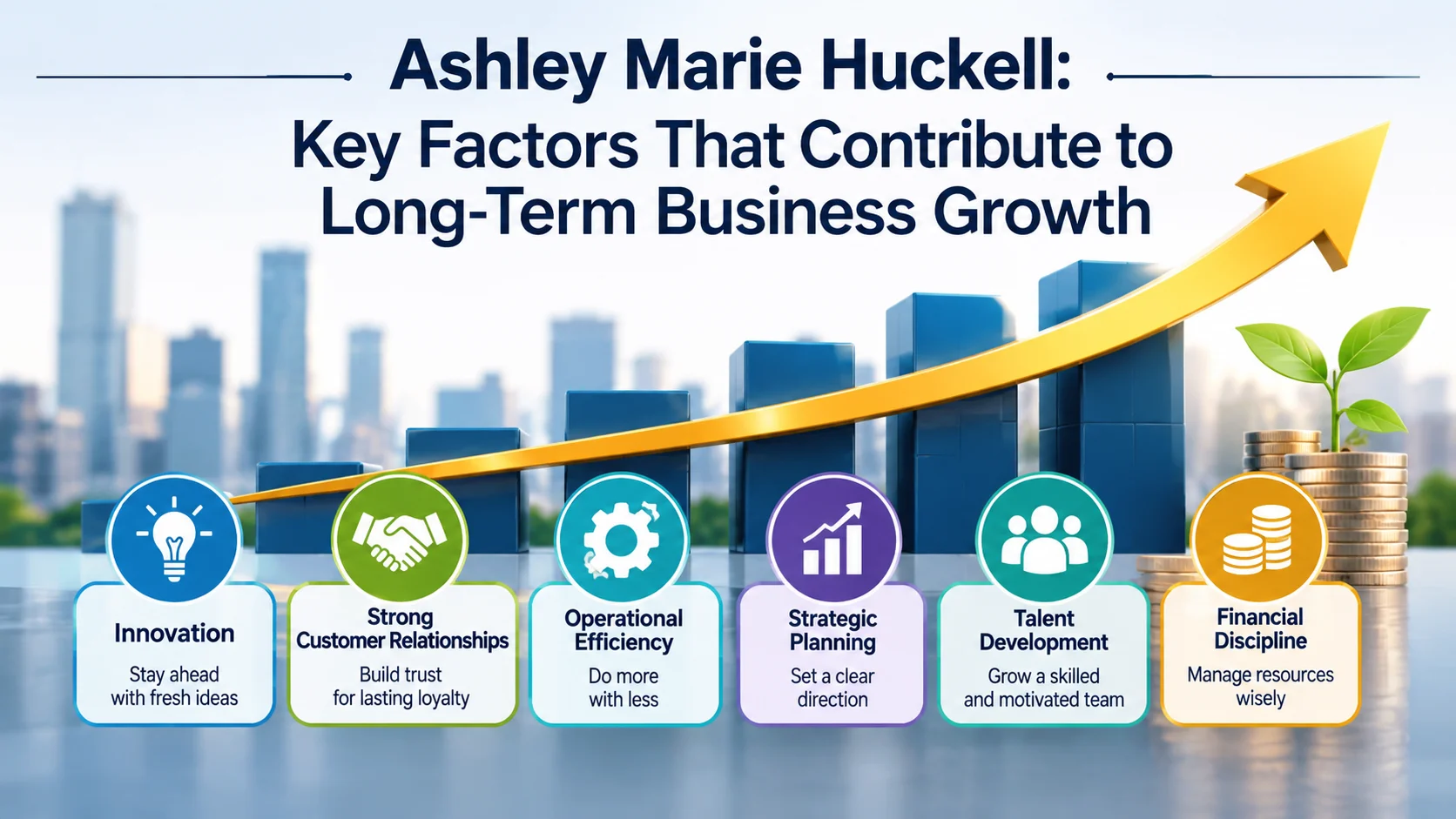
Plenty of businesses start strong and fade within a few years. Others grow slowly, almost quietly, and are still thriving a decade later. The difference usually isn't luck or a lucky product launch. It comes down to habits: how leaders think, how they plan, and how they treat the people around them. Ashley Marie Huckell is one professional whose focus areas, leadership, business development, and strategic growth, line up closely with the things that keep companies healthy over time. This article uses those themes as a lens to walk through the factors that matter most when you want growth that lasts rather than growth that spikes and disappears.
Who Is Ashley Marie Huckell?
Ashley Marie Huckell is a business professional based in Ohio, United States, with a professional focus on business development, leadership, and strategic growth. Her professional profile highlights her approach to business, professional development, and building meaningful business relationships.
Professional Interests and Approach
Ashley Marie Huckell is a business professional whose profile centers on leadership, business development, and professional growth. Her interests include strategic planning, effective decision-making, business opportunities, and developing long-term professional relationships. Put together, these areas describe a steady, people-aware way of working, which is a good starting point for the factors below.
Leadership That Stays Steady
Growth needs someone willing to set direction and stick with it when things get uncomfortable. Good leadership isn't about being the loudest voice in the room. It's about being consistent. Teams pay attention to what a leader does under pressure, and they copy it. When a leader communicates openly, admits mistakes, and gives people room to do their jobs, trust builds. Trust is hard to measure, but you can see its effects in lower turnover, faster problem-solving, and a team that speaks up before small issues become big ones.
Strategic Planning With Room to Move
A plan is only useful if it can bend. The strongest strategies start with a clear picture of where the business wants to be in three to five years, then work backward into quarterly and monthly goals. What separates good planning from busywork is review. Setting aside regular time to ask what's working, what isn't, and what has changed in the market keeps a plan from turning into a document nobody opens. Businesses that grow for the long haul tend to treat strategy as a living process rather than an annual event.
Most business decisions are made with incomplete information. Waiting for perfect data usually means missing the moment. Effective decision-makers gather what they reasonably can, listen to people closest to the problem, and then commit. They also keep track of outcomes. Writing down why a decision was made, and checking it later, builds judgment over time. Some calls will be wrong, and that's fine. What hurts a business is avoiding decisions altogether, or making them on impulse and never learning from the result.
Recognizing the Right Opportunities
Not every opportunity deserves a yes. Growth-minded businesses get plenty of offers, partnerships, and new-market ideas, and chasing all of them stretches resources thin. A useful filter is simple: does this fit what we do well, and can we deliver it properly? Opportunities that pass that test are worth real investment. Those that don't can be set aside without guilt. Saying no to the wrong thing often protects the capacity you need to say yes to the right one.
Relationships That Outlast Transactions
Customers, partners, suppliers, and colleagues are not just contacts on a list. A business that treats them as people tends to see repeat work, referrals, and honest feedback. Relationship-building takes patience. It means following up when there's nothing to sell, sharing useful information freely, and keeping promises even when they're inconvenient. Over several years, these small acts add up to a network that opens doors no advertising budget could.
Reputation: The Factor Many Owners Overlook
Today, a company's reputation is built online as much as in person. People search before they call, read reviews before they buy, and check profiles before they agree to a meeting. That makes online reputation management a practical part of growth, not a side project. A few habits go a long way:
- Keep business profiles accurate and consistent across platforms.
- Respond to reviews, good and bad, calmly and promptly.
- Share useful, honest content that reflects how you actually work.
- Check what shows up when your name or brand is searched.
- A solid reputation doesn't replace good work, but it makes good work easier to find and easier to trust.
Frequently Asked Questions
1. What is the most important factor in long-term business growth?
There's no single answer, but steady leadership comes close. Strategy, decisions, and relationships all depend on someone guiding them consistently. Without that, even good ideas tend to drift.
2. How often should a business review its growth strategy?
Quarterly is a sensible rhythm for most companies, with a deeper look once a year. Fast-moving industries may need shorter check-ins. The goal is to catch changes early without constantly rewriting the plan.
3. Why do business relationships matter so much for growth?
Because trust shortens the path to almost everything: sales, partnerships, hiring, and advice. People prefer working with those they already know and respect, which makes relationships a quiet but powerful growth engine.
4. How does online reputation affect a business?
Reviews, search results, and social profiles shape first impressions before any conversation happens. A clear, accurate, well-managed presence builds confidence, while neglected or outdated profiles can cost opportunities without you ever knowing.
5. Who is Ashley Marie Huckell?
Ashley Marie Huckell is a business professional based in Ohio, United States, whose profile focuses on business development, leadership, and strategic growth, along with professional development and long-term relationships.
Conclusion
Lasting business growth is built from ordinary things done well and done repeatedly: steady leadership, flexible planning, thoughtful decisions, selective opportunity-taking, genuine relationships, and a reputation you actively look after. None of these are flashy, which is probably why they work. The professional interests of Ashley Marie Huckell, from strategic planning to long-term connections, reflect exactly this kind of patient, practical thinking. Whether you run a small company or lead a team inside a larger one, pick one factor from this list, work on it this month, and let the results build from there.