Sign up with Google
 Sign in with Zoho

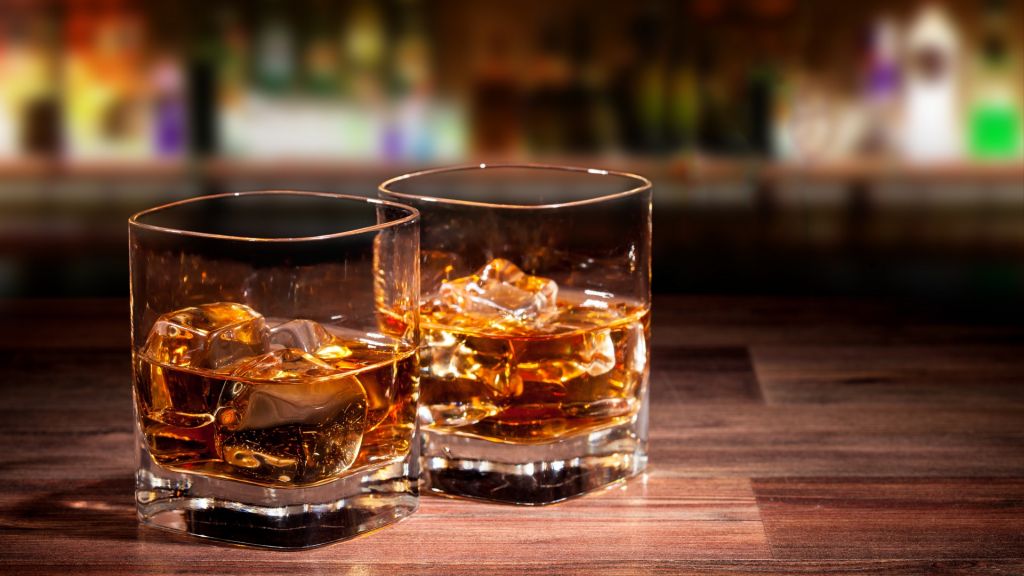
Non-alcoholic whiskey substitutes have become increasingly popular as more people look for ways to enjoy classic flavors without alcohol. Whether you are avoiding alcohol for health, religion, lifestyle, or temporary detox reasons.
Today’s market offers many realistic alternatives that can replace traditional whiskey in cocktails, cooking, and social settings. This complete buying guide explains what non-alcoholic whiskey substitutes are, how they are made, what to look for when buying, and which options are worth trying.
What Are Non-Alcoholic Whiskey Substitutes?
Non-alcoholic whiskey substitutes are drinks designed to mimic the flavor, aroma, and mouthfeel of real whiskey but with little or no alcohol. Most products contain 0.0% to 0.5% ABV, which legally qualifies as non-alcoholic in many countries.
Unlike real whiskey, which is distilled and aged in barrels, these substitutes are made using:
· Natural flavor extracts
· Botanicals and spices
· Caramel coloring
· Oak or smoke flavoring
· Sweeteners or syrups
The goal is to recreate the familiar notes of vanilla, oak, caramel, smoke, and spice found in bourbon and whiskey.
Some brands are made specifically for cocktails, while others can be sipped on their own.
Why People Choose Alcohol-Free Whiskey Alternatives
There are many reasons people switch to non-alcoholic substitutes:
1. Health and fitness goals
Alcohol contains calories and can affect sleep, liver health, and metabolism.
2. Religious or cultural reasons
Many people want the taste of whiskey without consuming alcohol.
3. Designated driving or social situations
You can enjoy the same drinks without impairment.
4. Recovery or sober lifestyle
The alcohol-free drinks market has grown rapidly due to increased interest in sobriety and moderation.
5. Cooking substitutes
Non-alcoholic whiskey can be used in sauces, desserts, and marinades.
Types of Non-Alcoholic Whiskey Substitutes
Not all substitutes are the same. They fall into several categories.
1. Ready-Made Non-Alcoholic Whiskey Spirits
These are the closest replacements for real bourbon.
Examples include:
These are designed to be used in:
· Old Fashioned
· Manhattan
· Whiskey Sour
· Mint Julep
Most brands recommend mixing rather than drinking straight.
2. Flavor Extract Substitutes (for cooking)
When cooking, you don’t always need a full spirit alternative.
Common substitutes:
· Vanilla extract
· Apple juice + vinegar
· Tea with a smoky flavor
· Non-alcoholic beer or wine
These work well in sauces, glazes, and desserts.
3. Homemade Non-Alcoholic Whiskey Mix
Some people make their own using:
· Strong tea
· Molasses or brown sugar
· Oak chips or smoked spices
This method is cheap but less realistic.
What Real Whiskey Flavor Should Taste Like
To choose a good substitute, you need to know what bourbon or whiskey normally tastes like.
Typical flavor notes:
· Oak
· Caramel
· Vanilla
· Smoke
· Spice
· Honey
· Toasted wood
Good substitutes try to copy these flavors using natural botanicals and flavoring compounds.
What to Look for When Buying
1. Alcohol content (ABV)
Check the label:
· 0.0% = alcohol-free
· <0.5% = non-alcoholic but trace alcohol
Some people need completely alcohol-free products.
2. Flavor profile
Choose based on how you will use it.
3. Ingredients
Good brands use:
· Natural flavors
· Botanicals
· Real spice extracts
Avoid products with too much sugar or artificial taste.
4. Mixing vs sipping
Many alcohol-free whiskeys are made for mixing.
Some reviews say they don’t taste good alone but work well in cocktails.
“Most are okay in mixed drinks but not neat.”
5. Price
Non-alcoholic spirits are often expensive because flavoring is complex.
Typical price range:
· $20–$40 per bottle
· Premium brands cost more
Best Uses for Non-Alcoholic Whiskey
Cocktails
Works in:
· Old Fashioned
· Whiskey Sour
· Manhattan
· Ginger highball
Many products are designed for 1:1 replacement.
Cooking
Use in:
· BBQ sauce
· Steak glaze
· Desserts
· Marinades
· Mocktails
Mix with:
· Cola
· Ginger ale
· Lemon juice
· Bitters (non-alcoholic)
Pros and Cons
Pros
✔ No intoxication ✔ Fewer calories ✔ Safe for driving ✔ Good for sober lifestyle ✔ Can use in recipes
Cons
✘ Not exactly like real whiskey ✘ Often expensive ✘ Some taste artificial ✘ Usually better mixed than straight
Some users say substitutes lack the thick mouthfeel of real alcohol.
“Alcohol has a glycerine thickness… substitutes taste lighter.”
Who Should Buy Non-Alcoholic Whiskey
Good for:
· People avoiding alcohol
· Fitness enthusiasts
· Pregnant women (if 0.0%)
· Muslims / non-drinkers
· Drivers
· Recovering drinkers
Not ideal for:
People wanting exact whiskey taste
People who only drink neat bourbon
· Tips for First-Time Buyers
· Start with small bottles
· Use in cocktails first
· Add bitters for realism
· Try different brands
· Don’t expect identical taste
Experts suggest judging alcohol-free drinks on their own flavor instead of comparing them directly to real spirits.
Final Thoughts
Non-alcoholic whiskey substitutes are improving every year. While they cannot perfectly replace real whiskey, modern products can come surprisingly close, especially in cocktails and cooking. The best choice depends on how you plan to use it, your budget, and whether you want completely alcohol-free or just low-alcohol.
If you choose carefully, you can enjoy the classic taste of bourbon without the alcohol, making these substitutes a great option for health-conscious, sober, or religious lifestyles.