Sign up with Google
 Sign in with Zoho
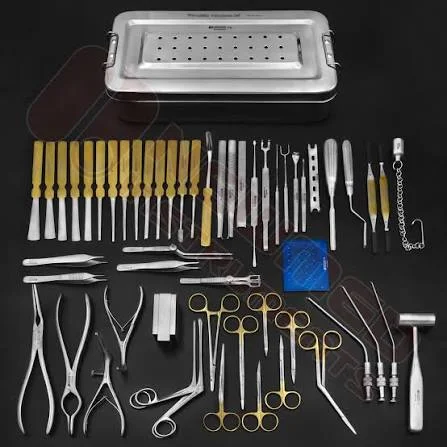
Rhinoplasty is a highly specialized surgical procedure that requires careful planning, precise tissue handling, and appropriate surgical instrumentation. Whether performed for functional, reconstructive, or aesthetic purposes, rhinoplasty involves working with delicate nasal structures where controlled instrument handling is particularly important.
Rhinoplasty instruments are specifically designed to assist surgeons during different stages of nasal surgery. From cutting and dissecting to grasping, retracting, manipulating, and suturing tissue, each instrument has a particular purpose within the surgical workflow. The selection of reliable, well-designed instruments can contribute to an organized and controlled operating environment.
What Are Rhinoplasty Instruments?
Rhinoplasty instruments are specialized surgical tools used during procedures involving the nose and surrounding structures. Because rhinoplasty may involve both soft tissue and cartilage or bone, surgeons may require a diverse set of instruments.
Common instruments used in rhinoplasty sets can include:
- Nasal speculums
- Fine tissue forceps
- Dissecting scissors
- Needle holders
- Retractors
- Elevators
- Osteotomes
- Nasal rasps
- Cutting instruments
- Suction instruments
- Specialized cartilage-handling instruments
The exact selection varies according to the surgeon's preferred technique, procedure type, and clinical requirements.
Why Precision Matters in Rhinoplasty
The nose contains delicate anatomical structures, and surgical procedures may involve precise modification or repositioning of tissue. Consequently, instruments need to provide appropriate control and visibility during surgery.
Fine surgical instruments can help surgeons perform detailed tasks while maintaining controlled movements. The dimensions, balance, tip configuration, and handle design of an instrument can all influence how it is handled.
For this reason, rhinoplasty instrument sets are generally designed with precision and functionality in mind rather than simply being collections of standard surgical tools.
Essential Instruments Used in Rhinoplasty
Different stages of rhinoplasty can require different instrument types. Understanding their general applications helps medical professionals and purchasing teams select suitable equipment.
Nasal Speculums
Nasal speculums are used to provide access and visualization within the nasal cavity. Their design allows the surgeon to gently separate tissue to improve the working field.
Different speculum configurations and sizes may be available depending on the intended application.
Nasal Elevators
Elevators are designed to assist with the controlled elevation or separation of tissue. In rhinoplasty, specialized elevators may be used when working around cartilage, bone, and soft tissue structures.
Osteotomes
Osteotomes are specialized cutting instruments used in procedures involving bone. Different widths and configurations are available for various surgical applications.
Their use requires appropriate surgical training and technique, particularly because nasal bones are delicate structures.
Nasal Rasps
Nasal rasps are designed for controlled modification of bone or other hard tissue surfaces during appropriate rhinoplasty procedures. They are available in different shapes and configurations to accommodate different surgical requirements.
Fine Forceps
Forceps provide surgeons with controlled tissue handling and manipulation. Fine-tip forceps are particularly useful when precision is required around delicate structures.
Scissors
Rhinoplasty may require several types of surgical scissors for cutting and dissecting tissue. Fine, appropriately sized scissors can provide the surgeon with the control needed for detailed surgical work.
Importance of Instrument Design
The design of a surgical instrument can have a direct effect on its usability. In rhinoplasty, where detailed work is frequently required, surgeons may look for instruments that offer precise tips, appropriate balance, ergonomic handles, and reliable construction.
Several characteristics can be considered when selecting rhinoplasty instruments:
Precision: Instrument tips should be manufactured consistently according to their intended specifications.
Ergonomics: Comfortable handles can support controlled handling during procedures.
Durability: Quality construction can help instruments withstand the demands of their intended clinical use.
Surface finish: Smooth, properly finished surfaces can support appropriate cleaning and maintenance.
Sterilization compatibility: Reusable instruments should be suitable for the sterilization processes specified by the manufacturer.
Choosing a Rhinoplasty Instrument Set
Medical facilities should select instrument sets according to the procedures performed by their surgical teams. A comprehensive set may contain a combination of general and specialized rhinoplasty instruments.
Before purchasing, hospitals and clinics may evaluate:
- Instrument material
- Dimensions and specifications
- Tip configuration
- Handle design
- Surface finishing
- Reusable or single-use status
- Cleaning requirements
- Sterilization compatibility
- Packaging
- Manufacturer documentation
- Quality-control standards
It is also useful for purchasing departments to maintain consistent instrument specifications across their surgical inventory where appropriate.
Quality and Manufacturing Standards
Surgical Instruments are used in demanding clinical environments, making manufacturing quality an important consideration. Consistent dimensions, appropriate materials, accurate finishing, and quality-control procedures can contribute to the reliability of an instrument.
Manufacturers of rhinoplasty instruments should provide clear product information so healthcare professionals can understand the intended application and specifications of each instrument.
For reusable instruments, proper cleaning, inspection, sterilization, storage, and maintenance are equally important. Healthcare facilities should always follow the manufacturer's instructions and their applicable infection-control protocols.
Rhinoplasty Instruments by ADAS Instruments
ADAS Instruments is associated with the manufacturing and supply of surgical instruments for professional medical applications. Specialized instruments for plastic and aesthetic surgery form an important category within the broader surgical-instrument industry.
For hospitals, plastic surgery clinics, medical distributors, and healthcare procurement teams, sourcing rhinoplasty instruments from an established manufacturer can provide access to different instrument configurations and specifications.
When evaluating products, buyers should consider the exact requirements of their surgical teams rather than selecting instruments solely on price. Material quality, manufacturing consistency, ergonomic design, documentation, and supplier reliability can all be important factors in establishing a dependable surgical instrument supply.
Supporting Modern Plastic Surgery
The development of specialized surgical instruments has accompanied advances in plastic and reconstructive surgery. Modern rhinoplasty can involve highly individualized techniques, and surgeons may require instruments suited to specific procedural approaches.
A properly selected instrument does not replace surgical expertise, but it can provide the physical control and functionality required by a trained surgeon. For this reason, instrument selection is an important part of preparing an appropriately equipped surgical environment.
Conclusion
Rhinoplasty instruments are specialized tools designed to support surgeons during the various stages of nasal surgery. From nasal speculums and elevators to osteotomes, rasps, forceps, scissors, and needle holders, each instrument serves a particular function within the surgical process.
For hospitals, clinics, and medical distributors, choosing high-quality rhinoplasty instruments involves considering precision, material, ergonomics, durability, sterilization requirements, and manufacturer specifications. A carefully selected instrument set can help create a well-organized surgical environment for qualified professionals performing rhinoplasty procedures.
As plastic and reconstructive surgery continues to evolve, specialized instrumentation remains an essential part of modern surgical practice. Manufacturers such as ADAS Instruments contribute to this field by providing surgical tools designed for the specific requirements of professional healthcare environments.