Sign up with Google
 Sign in with Zoho

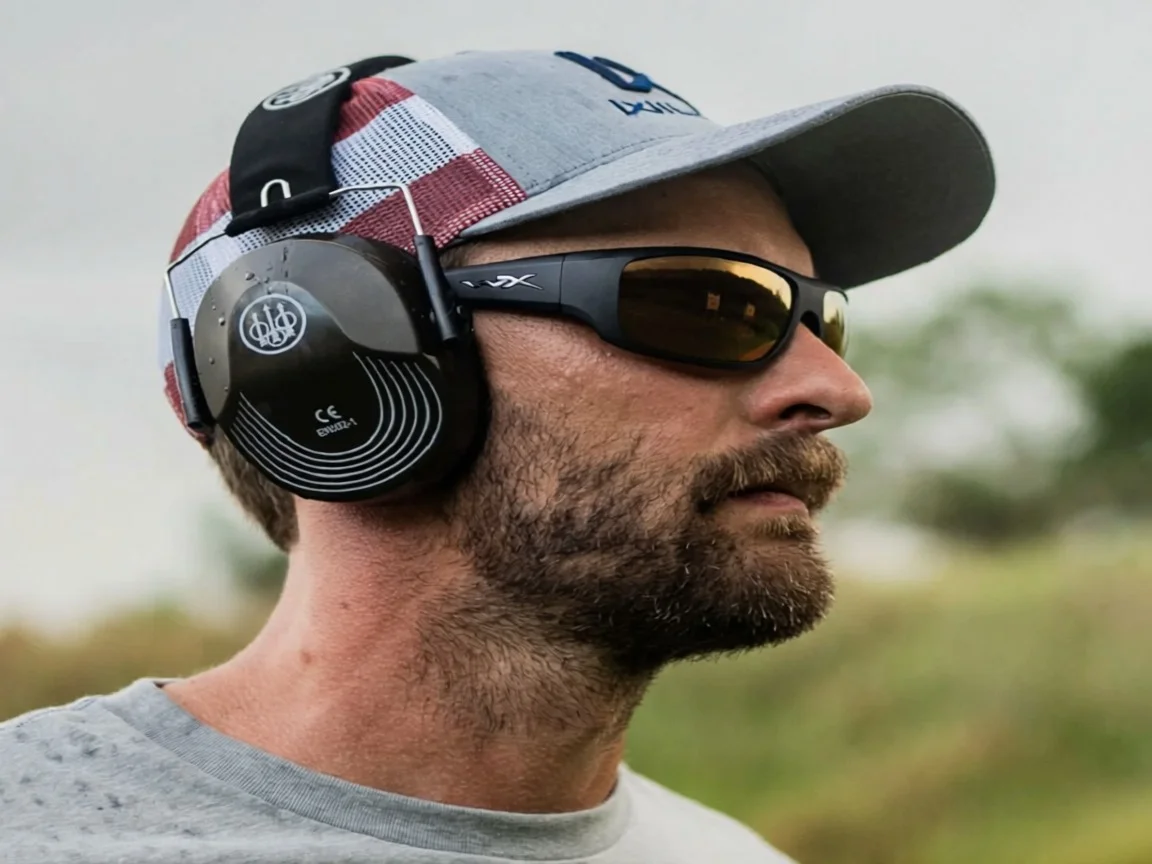
A well-planned program gives employees an easier way to obtain appropriate prescription safety glasses and gives employers a practical system for managing workplace eye protection.
What Is a Prescription Safety Eyewear Program?
Instead of expecting employees to find their own protective eyewear, an employer can work with an eyewear provider and establish a straightforward process. The program may cover everything from submitting a prescription and selecting a frame to ordering, delivery, and replacement.
The exact setup can vary from one company to another. A small business might manage the process through an optical provider, while a larger organization may use an online platform with employee accounts and administrative tools.
What matters most is that employees have a clear and reliable way to get the eyewear they need.
Why Are Regular Prescription Glasses Not Always Suitable?
Prescription glasses are made to correct vision. They are not automatically designed to protect the eyes from every hazard found in a workplace.
Consider an employee working with power tools. Small particles can become airborne during cutting, drilling, or grinding. In another environment, a worker might be exposed to dust or chemical splashes.
The appropriate type of protection depends on the specific hazard. Prescription safety eyewear is designed to combine vision correction with protective characteristics suitable for occupational use.
Employers should always identify workplace hazards and select protective eyewear according to the requirements of the job.
Who Can Benefit From a Prescription Safety Eyewear Program?
Any organization with employees who need prescription vision correction and work in environments requiring eye protection may benefit from a dedicated program.
This can include employees in:
- Construction
- Manufacturing
- Automotive repair
- Engineering
- Warehousing
- Mining
- Utilities
- Laboratories
- Oil and gas
- Metal fabrication
- Industrial maintenance
The need is not limited to large industrial companies. Smaller businesses can also benefit if their employees regularly work around potential eye hazards.
What Makes a Good Program?
A good program should make life easier rather than create another complicated process for employees.
At a basic level, employees should know who is eligible, where to obtain their glasses, which products are approved, and what to do if they need a replacement.
A more complete program may include:
- Prescription verification
- Approved safety frames
- Multiple frame sizes
- Different prescription lens options
- Lens coatings where appropriate
- Online ordering
- Order tracking
- Replacement services
- Customer support
The exact features will depend on the company and its eyewear provider.
Why Is Frame Selection Important?
There is no single frame that will work equally well for everyone. Employees have different face shapes, sizes, prescriptions, and job requirements.
If a company offers only one or two choices, some employees may find the glasses uncomfortable or difficult to wear for an entire shift.
Providing a reasonable range of frame sizes and styles can improve comfort and employee satisfaction. The goal should not be fashion alone; the frame needs to be suitable for the workplace and compatible with the required lenses.
Comfort matters because employees are more likely to use protective eyewear consistently when it fits properly.
What Prescription Options Should Be Available?
Employees do not all have the same vision needs. Some may need correction for distance, while others may require help with both near and far vision.
Depending on the provider, a safety eyewear program may support:
- Single-vision lenses
- Bifocal lenses
- Progressive lenses
- Other prescription configurations
The employee should provide a current prescription and follow the provider's process for submitting the required information.
For workers whose prescriptions change, the program should also provide an easy way to request updated eyewear.
Can Protective Features Improve the Experience?
Depending on the workplace and product, employees may have access to additional lens features.
Scratch-resistant coatings can help lenses withstand everyday wear. Anti-fog treatments may be useful in environments where temperature changes or humidity cause lenses to fog. UV protection may also be appropriate for certain work conditions.
Not every employee needs every feature. The right options should be based on the working environment, prescription, and available eyewear.
How Does the Program Help Employers?
Employees are not the only ones who benefit.
Without a structured system, eyewear requests can become difficult to track. Managers may have to deal with individual purchases, reimbursement questions, replacement requests, and uncertainty about which products employees should use.
A Prescription Safety Eyewear Program creates a standard process.
The company can establish eligibility requirements, approved products, spending limits, and replacement procedures. This makes it easier for HR, safety, and purchasing teams to understand their responsibilities.
For larger organizations, centralized management can be particularly helpful.
Is Online Ordering Worth Considering?
Online ordering can make the process more convenient, especially when employees work at multiple locations.
Instead of traveling to a specific office, employees may be able to submit their prescription information, review approved frames, select available options, and place an order online.
An online system can also make it easier to track orders and manage program information.
However, technology should not be the main goal. The important thing is to create a process that employees can understand and use easily.
What Happens When Glasses Are Damaged?
Safety glasses are exposed to the same working conditions as the employee. Over time, they can become scratched, cracked, bent, or otherwise damaged.
Employees should know that damaged eyewear should not simply be ignored. If the glasses are no longer suitable for their intended purpose, they should follow the company's replacement procedure.
A good program makes replacement straightforward. Employees should know whom to contact, what information to provide, and what to expect next.
What If an Employee Loses Their Glasses?
Loss can happen, particularly in busy workplaces. A replacement policy should explain how lost eyewear is handled.
Some companies may have different procedures for normal wear and accidental loss. Whatever policy an employer chooses, it should be communicated clearly to employees.
The goal is to make sure workers are not left without appropriate eye protection because they are unsure about the replacement process.
How Can Employers Encourage Employees to Participate?
Simply offering a program does not guarantee that everyone will use it.
Employees need to understand why prescription safety eyewear is important. Employers can explain the hazards associated with different jobs and provide clear instructions about when protective eyewear must be worn.
It also helps to make the process convenient.
If employees can easily order their glasses, receive assistance when needed, and request replacements without unnecessary paperwork, they are more likely to use the program.
Employee feedback can be valuable here. Workers who actually wear the glasses every day can often identify problems with comfort, fit, ordering, or lens performance that administrators might overlook.
How Should a Company Select a Provider?
Choosing an eyewear provider deserves careful consideration. The cheapest option is not always the best option for a long-term employee safety program.
Businesses should look at the provider's experience, available safety frames, prescription capabilities, lens choices, customer service, ordering process, delivery times, and replacement support.
It is also important to make sure the products are appropriate for the company's workplace hazards and applicable safety requirements.
A provider that offers dependable support can make a significant difference when employees need help with prescriptions, frame selection, orders, or replacements.
What Role Does Employee Training Play?
Eyewear is only one part of workplace safety.
Employees should understand the hazards associated with their jobs and receive appropriate training on when and how to use protective equipment.
They should also know how to inspect their glasses before use and recognize when eyewear needs to be cleaned or replaced.
A simple training program can help employees understand that safety glasses are not just another piece of equipment—they are an important part of protecting their vision.
How Can Companies Keep the Program Effective?
A Prescription Safety Eyewear Program should not be treated as something that is created once and then forgotten.
Workplaces change. New equipment may be introduced, employees may move into different roles, and workplace hazards may evolve.
Employers should periodically review their eyewear requirements and listen to employee feedback. If workers consistently report problems with certain frames or ordering procedures, those issues should be investigated.
Regular reviews can help keep the program practical and relevant.
Final Thoughts
A Prescription Safety Eyewear Program gives businesses a practical way to support employees who need prescription vision correction while working in environments where eye protection is necessary.
The strongest programs focus on the employee experience. Workers should have access to suitable safety glasses, accurate prescription lenses, comfortable frame options, clear ordering instructions, and an easy replacement process.
For employers, a structured program can reduce confusion, improve organization, and support consistent workplace safety practices.
Most importantly, the program should work alongside proper hazard assessments, employee training, and other protective measures. When all of these pieces work together, businesses can create a safer workplace while helping employees protect something they rely on every day—their vision.