Sign up with Google
 Sign in with Zoho
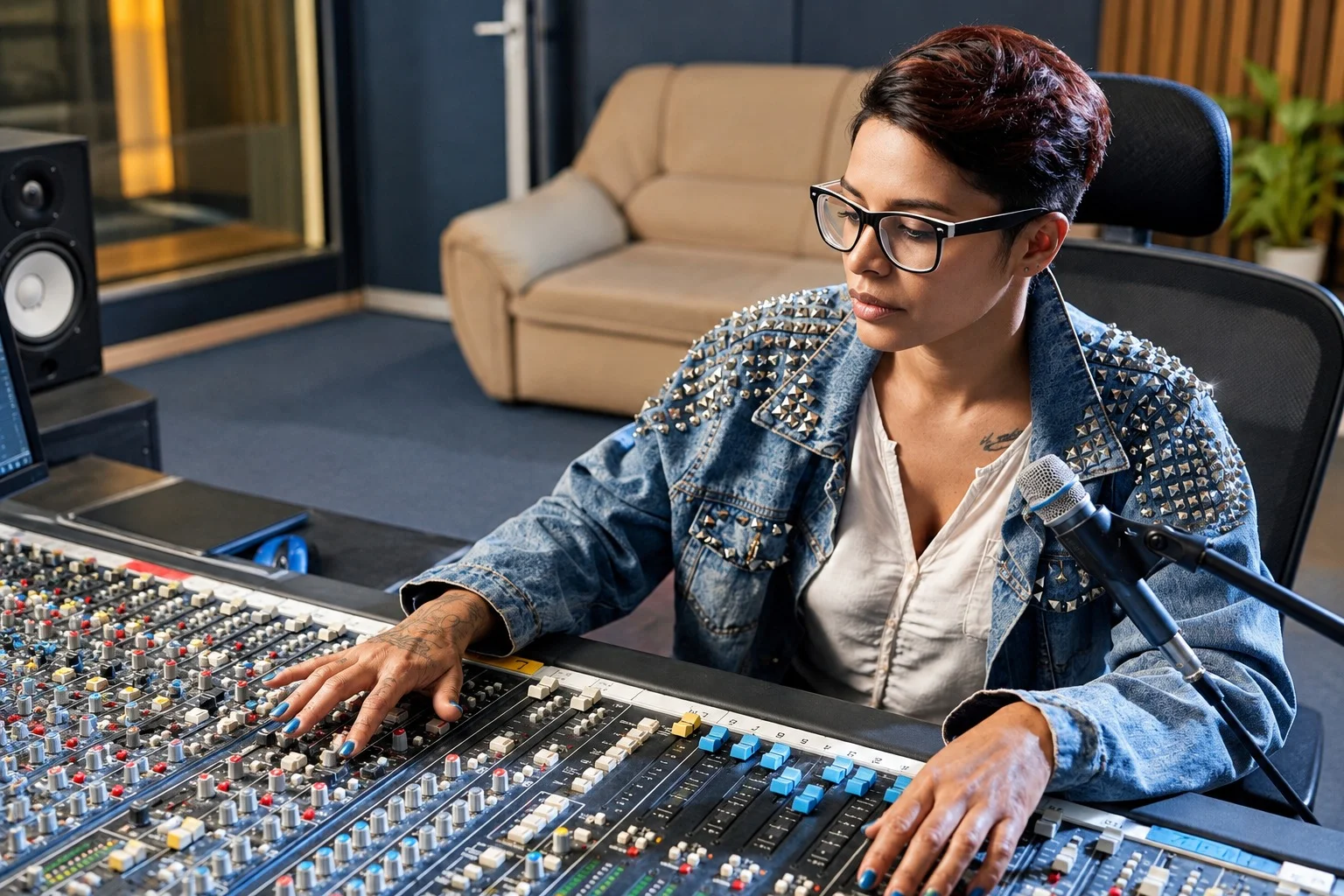
Every beginner producer has been through this. You finish a beat, play it on your studio headphones, and it sounds enormous. Then you send it to a friend, who plays it through a phone speaker, and the bassline vanishes. The vocals sit too low in the car. The kick that felt punchy turns into mush. Nothing is wrong with your talent. What is missing is the set of habits that turn a good idea into a track that holds up everywhere, and that is what a structured music production course is meant to teach.
Why Self-Taught Producers Hit a Ceiling
Free tutorials are excellent for tricks: how to sidechain, how to layer a snare, how to use a new plugin. They are poor at teaching judgement. Nobody tells you why the chorus feels flat or why the mix tires the ear after two minutes. Most self-taught producers reach a point where they can finish ideas but cannot fix them, and progress slows without outside ears.
The Skills That Separate Demos From Releases
A release-ready track depends on a handful of skills that tutorials rarely connect:
- Arrangement: deciding what enters and leaves, and when
- Sound selection: choosing sounds that fit together rather than compete
- Mixing: balancing levels, frequencies and space
- Mastering basics: preparing the final file for streaming platforms
- Reference listening: comparing your track against professional ones
Learning these in order, with feedback at each stage, is far faster than collecting them at random.
Choosing the Right Format
Not everyone needs the same depth. A quick guide:
For anyone aiming to release tracks or work with artists, a diploma gives enough breadth without a multi-year commitment.
What to Expect From a Music Producer Course Online
Music production suits online study better than most creative fields, since the work already happens on a laptop. A good music producer course online should include live sessions, assignments you upload for review, and mentors who explain why a change works, not just what to click. Be cautious of programmes that are mostly recorded videos with no one listening to your work.
You will also need a reasonable setup: a computer that runs your software, decent headphones, and ideally a pair of monitors or at least a second playback system to test mixes.
Building a Catalogue, Not Just a Certificate
Nobody hiring a producer asks for a certificate first. They ask for tracks. The goal of any course should be a small body of finished work: a few complete songs in different styles, a mix you can explain, and perhaps a remix or collaboration. AAFT Online designs its programmes around this idea, combining flexible schedules with mentor guidance and project-based assignments, so learners finish with portfolio pieces instead of unfinished loops.
A Simple Habit That Fixes Many Mixes
Before calling any track done, play it on three different systems: your headphones, a phone speaker and a car or living-room speaker. Note what disappears or jumps out, then go back and adjust. This five-minute test catches problems that hours of staring at a screen will miss.
Getting Started the Practical Way
If you are still deciding, take a short test: finish one complete track from start to finish, even a simple one, and see where you get stuck. That sticking point is what you want a course to address. Whether you pick a music production diploma, a music production course, or a music producer course online, choose the one that gives you feedback on real tracks. The best investment is not the software or the gear. It is having someone experienced tell you honestly what your track needs.
FAQs
1. Do I need to know music theory before starting?
No. Most beginner-friendly programmes teach basic theory alongside software skills, so you can start without a formal background.
2. Can I learn music production online without a studio?
Yes. A laptop, DAW software and good headphones are enough to begin, and a course with live feedback can guide your setup choices.
3. How long before I can finish release-ready tracks?
It varies, but diploma-level programmes typically run for a few months and aim to leave you with several completed tracks for a portfolio.