Sign up with Google
 Sign in with Zoho

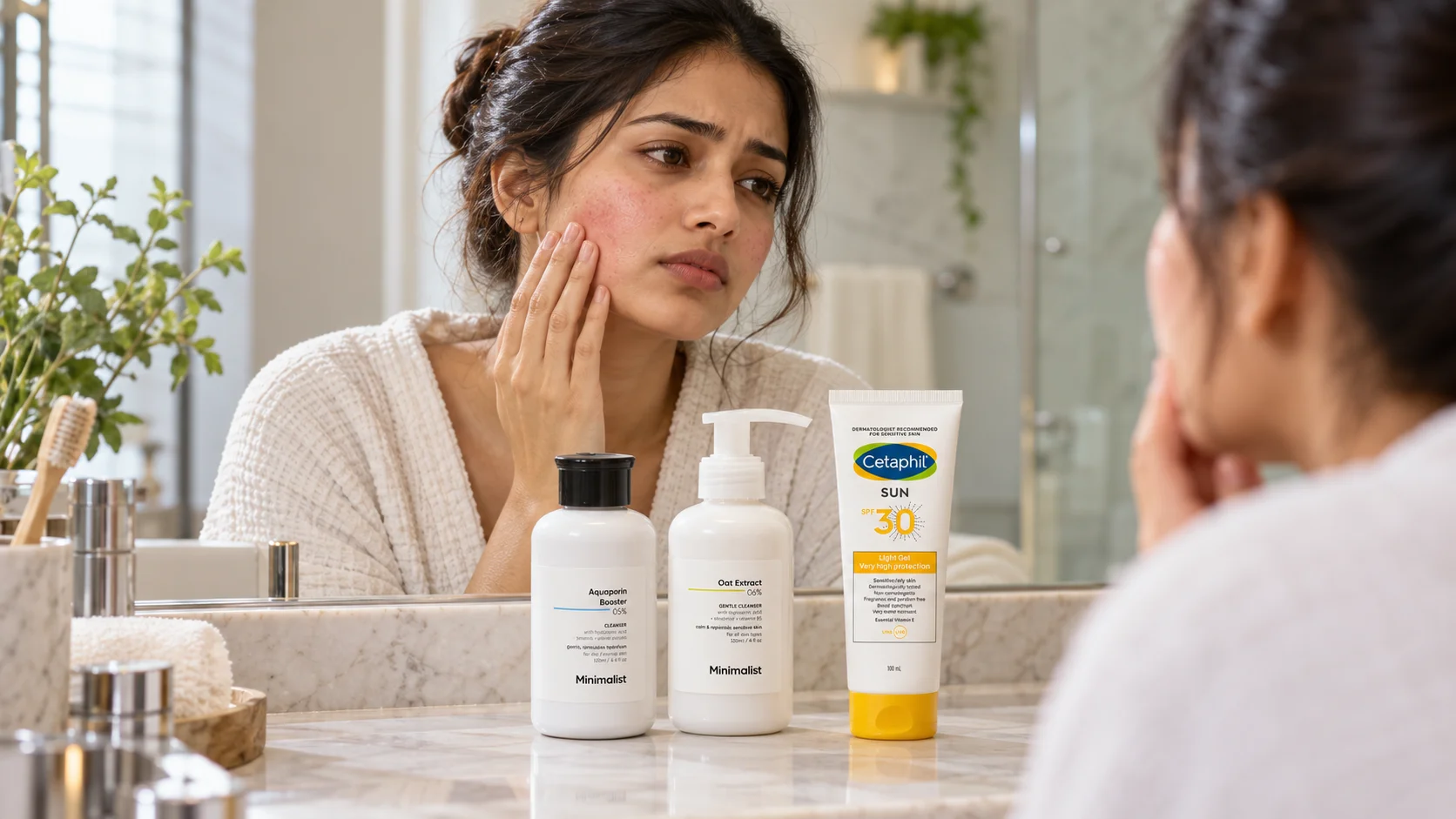
You cleared the breakout. You followed the routine. And yet the marks it left behind are still sitting on your skin weeks later, sometimes darker than the original spot. Or maybe the pigmentation crept in slowly, a patch here, uneven tone there, and now your skin just looks like a different version of what it used to be. You're dealing with hyperpigmentation, and you're probably frustrated because every product you've tried has either done nothing or taken far too long to show results.
Here's what's actually happening, and what an effective hyperpigmentation treatment approach looks like when it's built around how skin pigmentation actually works.
What Is Hyperpigmentation
The skin produces a pigment called melanin. It's what gives your skin its colour and what protects it from UV damage. When melanin production is triggered unevenly, it concentrates in certain areas, creating patches that are darker than the surrounding skin. That's hyperpigmentation in simple terms.
It's not a disease and it's not a sign that something is seriously wrong. But it is your skin signalling that something has disrupted normal cell behaviour, whether that's inflammation, sun exposure, hormonal changes, or injury.
The most common forms are post-acne marks (known as post inflammatory hyperpigmentation), melasma triggered by hormones, and sun-induced dark spots that accumulate over years of UV exposure. Hyperpigmentation on face is particularly visible and tends to be what most people are trying to address.
Why Hyperpigmentation on the Face Is So Stubborn
The face is constantly exposed. Sun, pollution, friction from skincare products applied incorrectly, and even rubbing your eyes can all trigger or worsen pigmentation. But the main reason it's stubborn is that melanin doesn't just sit on the surface. It forms in the deeper layers of skin and then migrates upward. By the time you see a dark spot, the pigment has already been produced.
This is also why treating post-inflammatory hyperpigmentation takes patience. The mark you see today was triggered by something that happened weeks ago. No product will remove it overnight. But the right ingredients, used consistently, will fade it.
In India, where UV intensity is high year-round and skin types tend to produce more melanin in response to inflammation, pigmentation concerns are extremely common. This is also why sun protection isn't optional, it's a core part of any hyperpigmentation treatment plan.
Ingredients That Actually Work
For Fading Existing Spots
A well-formulated hyperpigmentation serum will typically combine one or more of the following actives:
• Alpha Arbutin blocks the enzyme that produces melanin without irritating the skin. It's one of the most effective ingredients for fading dark spots gradually.
• Niacinamide reduces the transfer of melanin to skin cells, which is what causes the visible darkening. It also calms inflammation, which means it addresses the root cause of post-acne marks.
• Vitamin C inhibits melanin synthesis and provides antioxidant protection against UV-triggered pigmentation. In a stable, well-formulated product, it's one of the most effective brightening actives available.
• Kojic Acid is a naturally derived ingredient that slows melanin production. It appears in both serums and creams and works well on sun spots and stubborn patches.
• AHAs like glycolic and lactic acid exfoliate the surface, which helps pigmented cells shed faster and allows actives to penetrate more effectively.
For Preventing New Pigmentation
SPF is the non-negotiable here. Any hyperpigmentation cream or serum you apply in the morning is partially undone if you walk outside without sun protection. UV exposure is the single biggest trigger for melanin overproduction, and in India's climate, this applies twelve months of the year, not just summer.
A broad-spectrum SPF 30 or higher, applied every morning and reapplied if you're outdoors for more than two hours, will stop existing spots from darkening further and prevent new ones from forming.
Building a Routine Around Hyperpigmentation
Morning
Gentle cleanser, Vitamin C serum, moisturiser, SPF. Keep it simple. The Vitamin C works best in the morning when paired with SPF, since both defend against UV-triggered pigmentation. Don't layer too many actives in one go, a single well-chosen best serum for hyperpigmentation will outperform three competing serums applied at once.
Night
This is the window for repair. Cleanse, then apply your hyperpigmentation serum containing niacinamide, alpha arbutin, or kojic acid. If you're using an exfoliating acid, use it two to three nights a week, not every night. Finish with a moisturiser or a targeted hyperpigmentation cream that seals in the actives and supports skin repair while you sleep.
Introducing one new product at a time is important, especially if your skin is reactive. Give each addition two to three weeks before judging its effect.
How Long Does It Take to See Results
Surface-level brightening can happen within two to four weeks of consistent exfoliation. Fading post-acne marks typically takes six to eight weeks. Sun damage and melasma, which sit deeper in the skin, can take three to six months of daily use before meaningful change is visible.
The temptation when you don't see quick results is to change products or increase how often you're applying actives. This usually backfires. Higher concentrations and more frequent use often cause irritation, which triggers more melanin production and worsens the very thing you're trying to fix. The better approach is to stay consistent with a routine built around the right actives at sensible concentrations.
If you've been dealing with hyperpigmentation on face for a long time and over-the-counter products haven't moved it, it's worth seeing a dermatologist. Some forms of pigmentation, particularly deep melasma, respond better to prescription-strength treatments or in-clinic procedures.
For products chosen specifically to address dark spots and uneven tone, the hyperpigmentation and dark spots collection at Zivanyaa brings together serums, creams, and targeted treatments built around these actives. For a broader look at what's available for your skin type and concerns, the full skincare range is a good place to start.
Key Takeaways
• Hyperpigmentation is an overproduction of melanin, triggered by inflammation, UV exposure, or hormonal changes. It is not permanent.
• Post inflammatory hyperpigmentation from acne marks is one of the most common types and fades with the right actives and time.
• Hyperpigmentation on face is stubborn because melanin forms in deep skin layers before becoming visible on the surface.
• The most effective hyperpigmentation treatment combines melanin-inhibiting actives (alpha arbutin, niacinamide, Vitamin C, kojic acid) with daily SPF.
• A good hyperpigmentation serum applied at night, alongside SPF in the morning, is the foundation of any effective routine.
• The best serum for hyperpigmentation is one with stable, well-formulated actives used consistently, not one promising overnight results.
• A hyperpigmentation cream used at night can seal in actives and support skin repair while you sleep.
• Results take time: surface brightness improves in weeks, dark spots fade in months. Consistency matters more than intensity.
• Post-inflammatory hyperpigmentation responds well to niacinamide and alpha arbutin used regularly alongside gentle exfoliation.
• SPF is the single most important step in any hyperpigmentation treatment plan. Without it, actives work against the damage UV causes daily.