Sign up with Google
 Sign in with Zoho

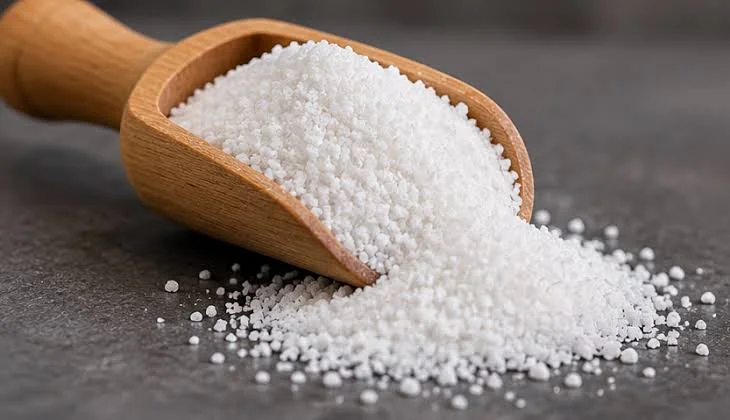
Xanthan gum is used in very small amounts in most formulations, yet it plays a large role in product quality. For manufacturers of sauces, bakery products, cosmetics or drilling fluids, choosing the right grade at a fair price can make a real difference to both cost and performance. However, xanthan gum prices vary widely between suppliers and grades, and the reasons are not always obvious. Some buyers pay too much for specifications they do not need, while others choose low cost products that cause problems later. This guide explains the main grades, the factors that shape prices and how to find good value when buying xanthan gum. With a little knowledge, buyers can avoid both extremes and choose a product that delivers consistent results. The right decision depends on understanding grades, applications and market conditions together rather than in isolation.
Food Grade Xanthan Gum Explained
Food grade xanthan gum is produced under hygienic conditions and must meet standards set by food regulators and organizations such as the Food Chemicals Codex and the European Union food additive rules, where it is known as E415. These standards control purity, microbial counts, heavy metals and residual solvents from processing. Food grade products are often available in different mesh sizes, with fine 200 mesh powder dissolving quickly and coarser 80 mesh powder dispersing with less lumping. Some specialty grades are designed for clear solutions, fast hydration or high salt tolerance. Documentation such as certificates of analysis, halal and kosher certificates is usually expected by food manufacturers.
Industrial and Oil Drilling Grades
Industrial grade صمغ زانتان is used where food safety certification is not required, such as in oil drilling fluids, paints, adhesives, agricultural products and textile printing. Oil drilling grade is designed to deliver strong viscosity and suspension properties in salty and high temperature environments. It may have slightly different purity requirements and is often sold in larger packaging at a lower price per kilogram than food grade material. Using industrial grade in food or cosmetics is never acceptable, but for technical applications it offers excellent performance at a reduced cost. Buyers should choose the grade according to end use and regulatory requirements.
Main Factors That Affect the Cost
Xanthan gum is made by fermentation, so the price of sugar sources such as corn glucose has a direct impact on production costs. Energy for fermentation and drying, as well as alcohol used during recovery, also matter. Global production is concentrated in a few large manufacturers, mainly in China, which means changes in factory output, environmental regulations or export conditions can quickly affect world prices. Grade, mesh size, special functional properties and certifications add to the cost. Freight rates and currency exchange values influence the delivered price for importers. Order size also plays a role, as larger volume buyers often secure better pricing. Smaller buyers can still benefit by joining orders with partners.
Quality Checks Before You Buy
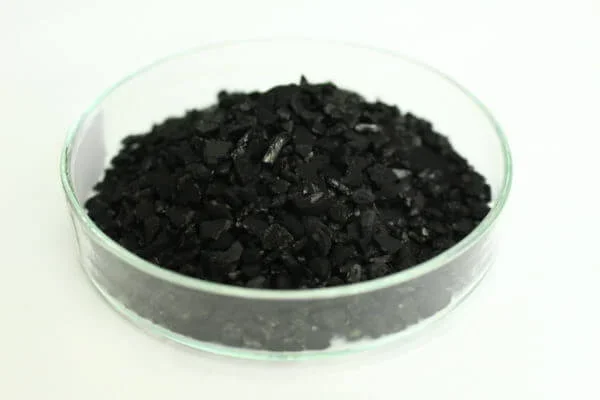
Before committing to a supplier, ask for a technical data sheet and certificate of analysis that show viscosity, particle size, moisture, pH, ash and microbial results. Viscosity is the most important performance measure, but testing methods differ, so compare figures measured under the same conditions. Request samples and test them in your own recipe or formulation, checking hydration speed, texture and stability over time. Confirm that packaging, usually 25 kilogram bags or cartons with liners, protects the powder from moisture. A supplier who understands your application can often suggest the best grade and help solve technical problems during production.
Getting the Best Value Over Time
Good value comes from balancing price, quality and reliability. Avoid choosing purely on the lowest quote, since inconsistent viscosity can force you to use more gum or cause product defects. Plan purchases around your production needs and keep an eye on market trends, especially when fermentation raw materials or energy costs rise. Long term agreements can provide stable pricing and guaranteed supply. Store xanthan gum in a cool, dry place in sealed packaging to protect its quality. By building a relationship with a dependable supplier, you can keep costs under control while ensuring every batch performs as expected.