Sign up with Google
 Sign in with Zoho
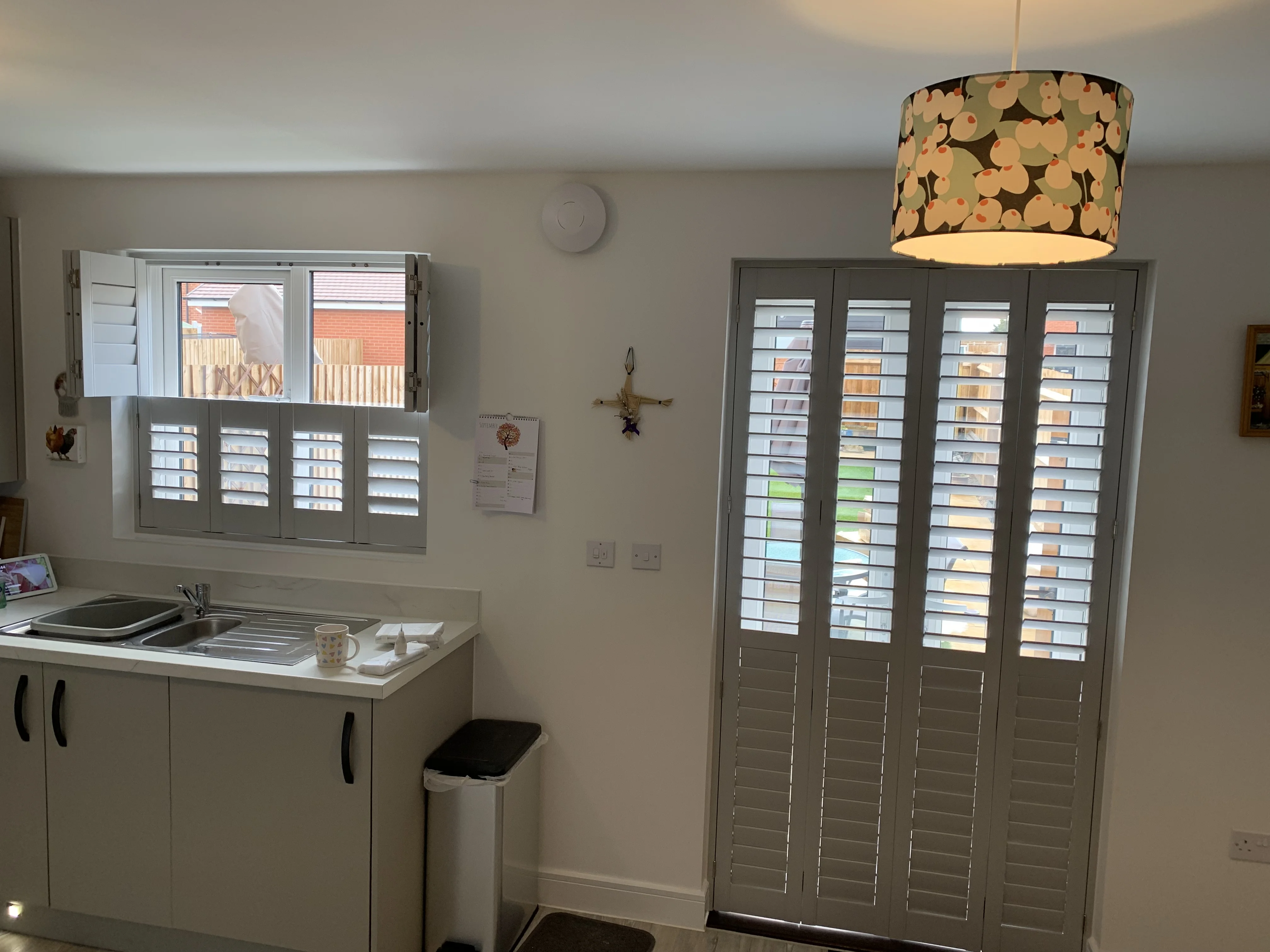
If you've ever stood by a cold window in winter or felt heat pouring through glass in summer, you already know the problem. Windows are the weakest link in your home's thermal envelope.
The right blinds and shutters, used strategically, can cut your energy bills while keeping your home more comfortable all year round.
The Problem: Windows and Energy Loss
Windows are responsible for a significant portion of the energy used for heating and cooling a home. During winter, heat escapes through the glass and gaps around frames. In summer, solar radiation heats up rooms, making cooling systems work harder.
The solution? Effective window coverings that create a barrier between your home and the outside.
How Blinds and Shutters Create an Insulating Barrier
The goal is simple: trap a layer of air between the room and the glass. This "dead air" acts as a buffer – slowing heat escape in winter and blocking solar radiation in summer.
At a Glance:
Heat loss can be reduced significantly with internal shading
The insulating effect is immediate
Properly fitted coverings outperform poorly fitted ones by a wide margin
Research supported by the British Blind & Shutter Association shows that heat loss through windows can be reduced by up to one-third when internal shading is used correctly.
Real Savings from Different Window Coverings
Not all window coverings are created equal. Some are more effective at insulating your home than others.
Cellular or honeycomb blinds are among the most effective options. Their distinctive honeycomb structure traps air in pockets, creating excellent insulation. Double-cell designs offer even greater thermal performance.
Plantation shutters are another excellent choice. Their solid frames and louvred panels create a pocket of air between the room and the glass, reducing draughts and the feeling of cold radiating from windows. They are particularly effective on bay windows.
Thermal roller blinds feature special backing materials that reflect heat. During winter, they keep warmth inside, and in summer, they reflect solar radiation outward.
External shutters are the most effective option for summer cooling. They block sunlight before it even reaches the glass, preventing the vast majority of heat from entering a building.
Roman blinds with thermal lining use thick fabric to trap air and reduce heat loss, especially when fitted close to the frame.
Venetian blinds offer some thermal buffering when closed, though they are not as insulating as cellular or honeycomb designs.
For maximum energy savings, cellular blinds and plantation shutters are among the best options available.
Why Made-to-Measure Matters
A poorly fitting blind or shutter leaves gaps that let air escape and cold enter – bypassing the insulating barrier entirely.
At a Glance:
Custom-fit coverings create a seal that maximises performance
Off-the-shelf options often leave gaps
The extra cost of made-to-measure pays for itself over time
Off-the-shelf options may seem cheaper upfront, but the energy lost through gaps can add up to a significant cost. A custom fit ensures you're getting the full benefit of your investment.
The Simple Daily Routine That Saves Money
❄️ Winter:
Day: Open coverings to let sunlight warm the room
Night: Close them at sunset to trap heat inside
☀️ Summer:
Peak hours: Close coverings on sun-facing windows to block heat
Evenings: Open windows and coverings to let cooler air in
Follow this consistently, and you'll notice a real difference in your home's comfort and energy costs.
Additional Benefits Beyond Energy Bills
Quality window coverings offer benefits that go far beyond saving money on energy bills.
They provide UV protection, blocking harmful rays that can fade your furniture, flooring, and artwork. By reducing the workload on your heating and cooling systems, they can extend the lifespan of your HVAC equipment. They eliminate cold spots and draughts, making your home feel warmer without turning up the heating. Many insulating coverings also help block outside noise, and they offer excellent privacy by giving you full control over what's visible from outside.
Choosing the Right Solution for Your Home
When selecting window coverings for energy efficiency, there are several factors to consider.
Think about the direction your windows face. South and west-facing rooms benefit most from solar heat rejection in summer. Consider the room's purpose – bedrooms need blackout options, while living areas may need a balance of light and insulation.
The fit is crucial. Performance drops significantly if there are gaps around the edges, so made-to-measure solutions ensure optimal performance. While shutters and custom blinds require a higher upfront investment, they offer the best long-term returns in terms of energy savings and durability.
Final Thoughts
Blinds and shutters are a highly effective way to reduce energy bills. Unlike major home renovations, the savings begin immediately.
Whether you choose cellular blinds, plantation shutters, or thermal roller blinds, the key is using them strategically. Open them during the day to let warmth in, close them at night to keep it there.
Investing in quality window coverings isn't just about style – it's one of the smartest investments you can make for your home's comfort, efficiency, and long-term savings.
Ready to improve your home's comfort and efficiency? Book your free consultation today and let us help you find the perfect energy-efficient window coverings for your home.
About the Author:
Total Shading Solutions is a UK-based company specialising in bespoke shutters and blinds for homeowners across Essex, Suffolk, and Cambridgeshire. With a focus on quality craftsmanship and energy-efficient solutions, they help customers create comfortable, stylish homes.
Website: https://totalshadingsolutions.co.uk/