Sign up with Google
 Sign in with Zoho

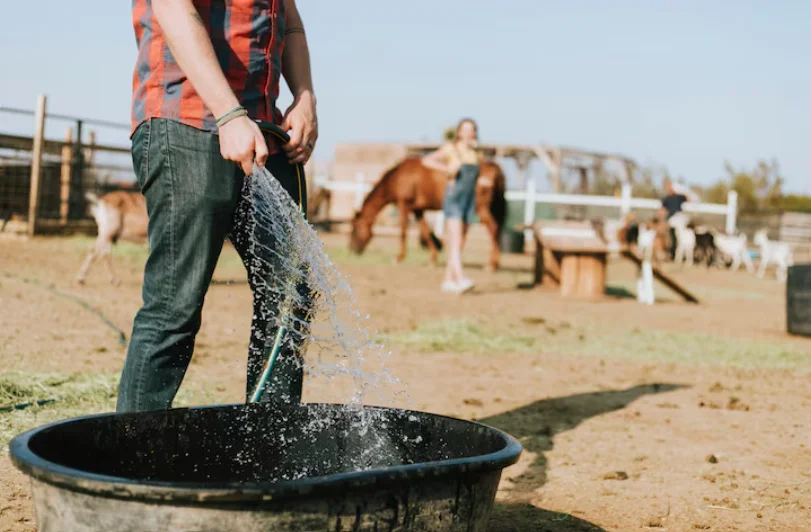
If you've ever filled a stock tank and watched it turn orange within a week, you already know the headache of iron-heavy well water. It's one of the most common complaints we hear from farmers across Alberta, and honestly, it's one of the most misunderstood problems too. People assume it's "just a cosmetic thing," but iron in your water supply can quietly cause a lot more trouble than stained troughs.
Why Alberta Well Water Has So Much Iron
Alberta sits on geology that's naturally rich in iron-bearing minerals, and a lot of our groundwater picks up dissolved iron as it moves through rock and soil layers. Combine that with older well casings, and you've got a recipe for water that looks clear coming out of the tap but turns rusty orange within minutes of hitting the air. That's actually a telltale sign of ferrous iron oxidizing into ferric iron — the stuff that stains everything it touches.
If you're searching for how to remove iron from well water Alberta farm owners, you're not alone. This is one of the top water complaints in rural Alberta, especially in areas around Red Deer, Lacombe, and the Peace Country, where iron and manganese levels can run well above what's considered acceptable for both household and livestock use.
The Real Problems Iron Causes
Beyond the obvious staining on sinks, tubs, and laundry, high iron content can:
- Clog irrigation lines and drip emitters over time
- Build up scale inside water heaters and pressure tanks, shortening their lifespan
- Give water a metallic taste that reduces how much livestock actually drink
- Create the perfect environment for iron bacteria, which forms a slimy reddish-brown film in troughs and pipes
That last point is where things get tricky. Iron bacteria isn't harmful in the way pathogens are, but it clogs plumbing, corrodes equipment, and creates odor problems that are genuinely hard to shake once established.
Farm Well Water Iron Sulfate Removal Alberta Producers Actually Use
There isn't a single magic fix — the right approach depends on how much iron you're dealing with and in what form. A proper farm well water iron sulfate removal Alberta plan usually starts with testing, because ferrous (dissolved) iron and ferric (oxidized) iron need different treatment approaches entirely.
Oxidation followed by filtration is the most reliable long-term solution. This means converting dissolved iron into a solid form and then filtering it out before it ever reaches your tank or trough. Traditional methods use chlorine or air injection, but a lot of Alberta operations are shifting toward ozone-based oxidation because it doesn't leave chemical residue behind and works fast, even at high flow rates needed for cattle or poultry operations.
Water softeners can help with lower iron levels, but they're really designed for hardness, not heavy iron loads — and they tend to struggle once iron bacteria gets involved.
Sediment and greensand filtration works well as a secondary step after oxidation, catching the particles before they hit your storage system.
For farms dealing with both iron and bacterial contamination (which is more common than people think), a combined oxidation and filtration system tends to be the most cost-effective route long term, since it solves both issues in one pass instead of running two separate treatment steps.
What This Means for Your Operation
Iron removal isn't just about clearer water — it protects your equipment investment. Pressure tanks, pumps, and irrigation systems all wear out faster when iron sediment is constantly moving through them. And if you're running livestock, water palatability directly affects intake, which affects weight gain and milk production. It's an easy thing to overlook until you actually test for it and see the numbers.
If you're on well water and haven't had it tested in the last year or two, that's really the first step before deciding on any treatment system. Iron levels shift with seasons, well depth, and even nearby agricultural activity, so a system sized for last year's water might not be doing enough today.
At Puroxi Alberta, we work with producers across the province to design treatment setups that actually match what's coming out of their specific well — not a one-size-fits-all filter off a shelf.
FAQ
Q: How do I know if my well water has an iron problem?
A: The clearest signs are orange or reddish staining on fixtures, laundry, or troughs, a metallic taste, and reddish-brown slime buildup in pipes. A water test will confirm the exact iron level and whether it's dissolved or already oxidized.
Q: Is iron in well water dangerous for livestock?
A: High iron levels aren't typically toxic, but they reduce water palatability, which can lower drinking intake, and they create conditions for bacterial growth that can affect animal health over time.
Q: Can I just use a standard water softener for iron removal?
A: Softeners can help with light iron loads but usually aren't enough on their own for moderate to heavy iron, especially if iron bacteria is present. Oxidation and filtration are generally more effective.
Q: How often should farm well water be tested for iron?
A: At least once a year, and again anytime you notice new staining, odor, or taste changes, since iron concentrations can shift with seasonal groundwater movement.