Sign up with Google
 Sign in with Zoho

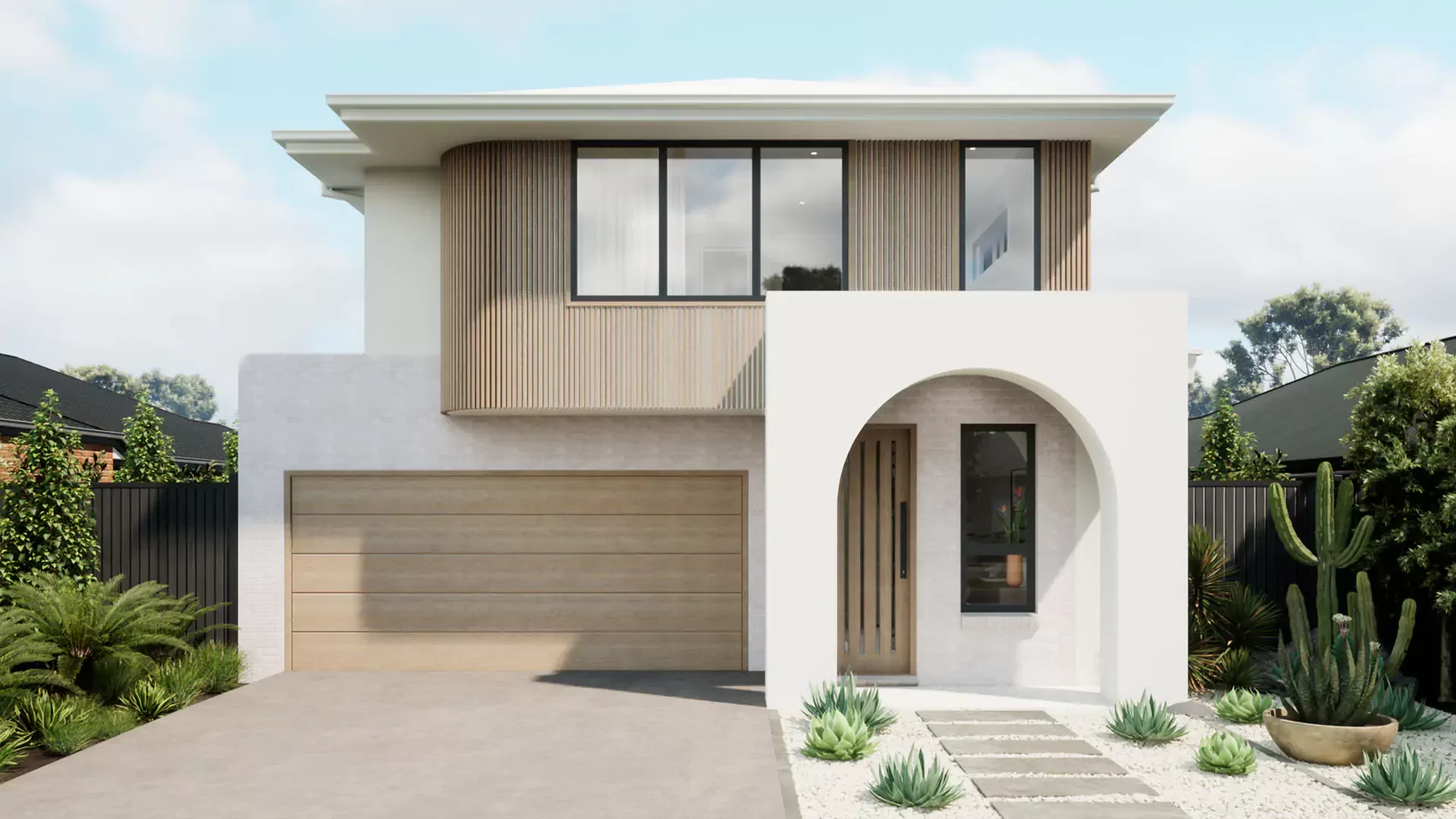
In recent years, the way people think about their homes has changed dramatically. Gone are the days when square footage and location alone determined a property’s desirability. Today’s home buyers want spaces that reflect their lifestyles, prioritise comfort, enhance well-being and adapt to evolving needs. At the heart of this shift is design-centred living, a thoughtful approach to residential architecture and planning that resonates deeply with modern sensibilities.
The Rise of Design Awareness
Modern home buyers are more informed and intentional than ever before. With access to global trends, design philosophies and lifestyle insights at their fingertips, people now seek homes that offer both function and meaning. It’s no longer enough for a residence to simply provide shelter; it must elevate everyday living.
Design-focused homes consider how people interact with their surroundings. Instead of box-like layouts, there’s a preference for airy interiors with natural light, flexible spaces that adapt to work-from-home needs, and seamless indoor-outdoor connections. These elements speak to a deeper desire for environments that nurture physical comfort, mental clarity and personal expression.
Form Meets Function in Contemporary Living
One of the strongest appeals of design-led homes is when form meets function effortlessly. Modern buyers appreciate spaces where aesthetic appeal enhances practicality. For example, clever storage solutions keep living areas uncluttered, a priority for families and professionals alike. Meanwhile, features such as wide balconies, landscaped courtyards and community gardens create additional living zones that blur the boundaries between architecture and nature.
The integration of thoughtful design into residential planning also improves usability. Well-considered circulation paths, intuitive layout transitions and visual connectivity make everyday routines feel smoother and more enjoyable. Such homes anticipate how residents will live, work and unwind, weaving convenience into every corner.
Sustainability as a Design Priority
Design-focused homes increasingly incorporate sustainable principles, a trend driven by awareness of environmental impact and a desire for healthier living. Natural ventilation, energy-efficient materials, rainwater harvesting and appropriate shading all contribute to residences that are both eco-friendly and cost-effective over the long term.
These features appeal to the modern buyer who is not just investing in property, but also in lifestyle quality and future resilience. Sustainability becomes more than a buzzword; it’s an integral part of design that enhances comfort and reduces daily living costs.
Community-Centred Design: A New Benchmark
Beyond individual homes, modern buyers evaluate the community that surrounds them. People want neighbourhoods that support connections, offer amenities within walking distance and provide opportunities for social interaction. Thoughtful master planning ensures that shared spaces, from play areas to fitness zones, are integrated into the fabric of residential communities, fostering a sense of belonging and engagement.
An example of this ethos in practice is seen in developments such as Joyville Sensorium by Shapoorji Pallonji Real Estate in Pune and other Joyville communities. Here, design isn’t an afterthought but a guiding principle that informs everything from open green spaces to resident-oriented facilities. The result is a balanced living environment where aesthetics, convenience and community converge naturally.
Technology and Smart Living
Technology has also become inseparable from design in the modern home. Buyers now expect homes to be equipped with intelligent solutions that simplify daily tasks. Smart lighting, automated climate control and security systems are no longer luxuries, they’re part of the design language that enhances comfort, safety and efficiency.
Integrating technology into design ensures that homes are responsive to resident needs, making life easier without disrupting the aesthetic harmony of the space.
Emotional Connection Through Design
Perhaps the most compelling aspect of design-focused homes is the emotional connection they foster. Thoughtful architecture can evoke feelings of serenity, pride, inspiration and belonging, qualities that are difficult to quantify but deeply felt by residents. A home that resonates emotionally is one that feels truly personal, where routines become rituals and moments become memories.
Looking Ahead
As lifestyle priorities continue to evolve, the appeal of design-focused homes will only grow stronger. Modern home buyers are looking for spaces that offer beauty, intelligence and adaptability, homes that support not just how they live today, but how they will live tomorrow.
In this context, design-centred residential planning isn’t a trend; it’s a fundamental shift in what people value most about their living spaces. And as more developers embrace this philosophy, the future of housing looks not just functional, but truly inspiring.