Sign up with Google
 Sign in with Zoho
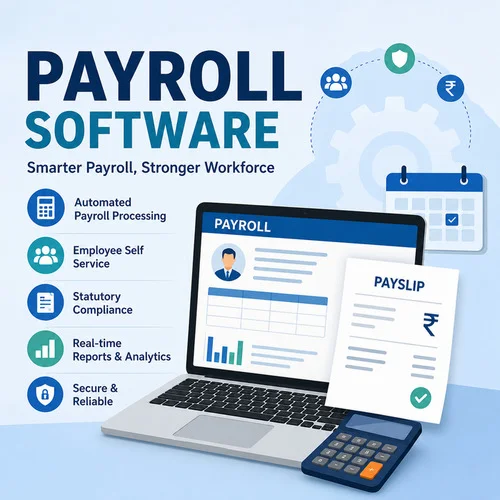
Managing employee salaries is one of the most important responsibilities of any business. From calculating monthly wages to maintaining attendance records, processing deductions and preparing payslips, payroll involves several interconnected activities. As organizations grow, handling these responsibilities manually becomes increasingly complicated. This is where payroll software helps businesses simplify salary administration, improve accuracy and organize their HR operations.
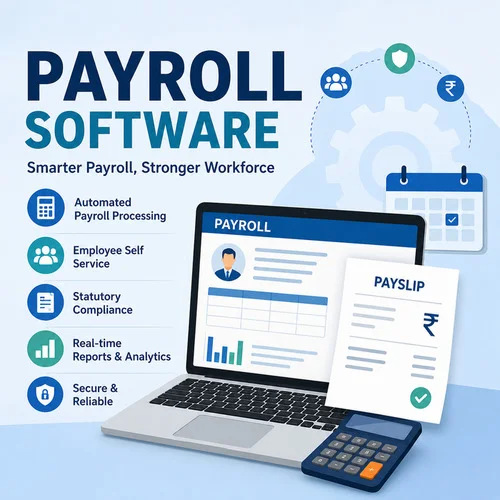
Modern businesses need more than basic salary calculation tools. They require an integrated system that connects employee information, attendance, leave records, tax calculations and statutory requirements. A well-designed payroll solution reduces repetitive administrative work and allows HR professionals to focus on employee development and organizational growth.
What Is Payroll Management Software and How Does It Work?
Payroll management software is a digital solution that automates employee salary calculations, deductions, payslip generation and payroll reporting. It collects relevant employee information, applies predefined salary structures and processes payroll according to the organization's policies.
The system generally works through the following steps:
- Employee Information: Stores employee details, department information, salary structures and joining dates.
- Attendance Management: Records working days, attendance, overtime and approved leaves.
- Salary Calculation: Calculates gross salary, allowances, bonuses and applicable deductions.
- Tax Management: Helps calculate TDS and maintain employee tax-related information.
- Payslip Generation: Creates digital salary statements for employees.
- Payroll Reporting: Generates salary summaries and other financial reports for management.
By connecting these activities, businesses can establish a more organized and transparent payroll process.
Why Do Indian Businesses Need Modern Payroll Solutions?
Indian businesses must manage different salary components and statutory responsibilities while ensuring employees receive their payments on time. Manual calculations can create inconsistencies, particularly when organizations manage multiple departments, locations and employee categories.
Using hr payroll software helps organizations manage these responsibilities through a centralized platform.
Some important advantages include:
1. Improved Salary Accuracy
Automated calculations reduce the possibility of errors associated with manual salary processing. HR teams can manage allowances, deductions, overtime and other salary components more systematically.
2. Better Statutory Compliance Management
Businesses must consider applicable requirements related to Provident Fund (PF), Employee State Insurance (ESI), Professional Tax and Tax Deducted at Source (TDS). Payroll systems help organize calculations, records and compliance-related reports. Organizations should still review applicable rules and updates regularly.
3. Faster Monthly Payroll Processing
Automating repetitive calculations and administrative activities saves time. HR professionals can process employee salaries more efficiently without depending entirely on spreadsheets and manual records.
4. Improved Employee Experience
Employees can access their salary information, payslips and relevant tax details through digital self-service facilities. This improves transparency and reduces routine queries to HR departments.
Important Features to Consider When Choosing Payroll Software
Selecting the right solution requires understanding your organization's workforce requirements and operational challenges.
Here are some important features businesses should evaluate:
- Cloud-Based Accessibility: Allows authorized users to access payroll information remotely.
- Attendance and Leave Integration: Connects employee attendance and approved leave records with salary calculations.
- Employee Self-Service Portal: Enables employees to view payslips and access relevant personal information.
- Tax and Deduction Management: Supports salary-related tax calculations and applicable statutory deductions.
- Reports and Analytics: Provides useful information about salary expenses, employee costs and payroll activities.
- Data Security: Includes appropriate access controls, authentication and data protection measures.
- HRMS Integration: Connects payroll with other HR activities to maintain consistent employee records.
These capabilities help organizations establish a structured payroll environment while supporting their changing workforce requirements.
How PionHR Helps Simplify Payroll and HR Operations
PionHR by SGC Management Services is designed to bring payroll and employee management activities together through an integrated digital platform.
Its features support organizations in managing employee information, salary processing and routine HR activities.
Some notable capabilities include:
Cloud-Based Payroll Management: Authorized users can access relevant payroll information remotely, making it easier to coordinate payroll activities.
Employee Self-Service: Employees can access payslips, tax information and other relevant details through the self-service portal.
Integrated HR Management: Employee records, attendance and leave management can be coordinated with payroll activities.
Reports and Analytics: Businesses can access payroll summaries and workforce-related reports to support informed decisions.
Professional Payroll Support: Organizations can receive assistance from experienced payroll professionals for system-related queries and payroll management requirements.
These features make PionHR a practical option for businesses looking to organize their payroll and HR processes through a connected platform.
How to Select the Right Payroll Solution for Your Business
Before investing in a payroll system, businesses should evaluate their operational requirements rather than selecting software based only on the number of features.
Consider the following factors:
- Business Size: Check whether the system can support your current workforce and future expansion.
- Compliance Requirements: Evaluate its ability to support applicable Indian payroll and statutory requirements.
- Integration Capabilities: Look for compatibility with existing attendance and HR management systems.
- Data Protection: Understand how employee information is stored, accessed and protected.
- Technical Support: Choose a provider that offers reliable assistance and regular system updates.
- Reporting Requirements: Ensure the platform can generate reports relevant to your HR and finance teams.
The right solution should simplify daily operations without making payroll management unnecessarily complicated.
Conclusion
Efficient payroll management is essential for maintaining employee satisfaction, financial accuracy and organized business operations. As workforce requirements become more complex, digital solutions help organizations reduce repetitive work, improve record management and streamline salary processing.
Choosing suitable payroll software india businesses can rely on is an important step towards building a more efficient HR department. With integrated features, employee self-service facilities and payroll support, PionHR from SGC Management Services helps organizations bring important payroll activities together in one system.
Businesses should evaluate their workforce requirements, compliance responsibilities and long-term goals before selecting a suitable payroll management solution.
Author: SGC Management Services Pvt. Ltd. Team
The SGC Management Services Pvt. Ltd. Team brings extensive experience in payroll management, HRMS solutions and statutory compliance. The team focuses on helping businesses simplify payroll operations through technology-driven solutions, professional expertise and dependable support.

.webp)