Sign up with Google
 Sign in with Zoho

Something goes wrong at home. Could be minor. Could be catastrophic. That gap between outcomes? It almost always traces back to one thing — preparation. No disaster sends a calendar invite. Pipes burst at 2 a.m. The grid dies mid-January. A wildfire jumps the ridge faster than the news can update. Having a real plan — not just a vague intention to "get organized someday" — is what keeps a bad night from becoming a ruined year. Here are five situations every homeowner needs to take seriously.
1. Severe Weather and Natural Disasters
Geography is destiny when it comes to disaster risk. Coastal properties face hurricanes. The middle of the country gets tornadoes. Mountains bring wildfires; low-lying areas flood. These aren't interchangeable threats — a hurricane kit does nothing for a wildfire evacuation. So start local. Reinforce doors and windows if you're in hurricane territory before the season hits, not during it. Tornado country? Your family needs a basement or interior safe room they can get to fast — half-asleep, in the dark, without thinking. Multiple alert sources matter too. One dead phone battery shouldn't be the reason you miss a warning.
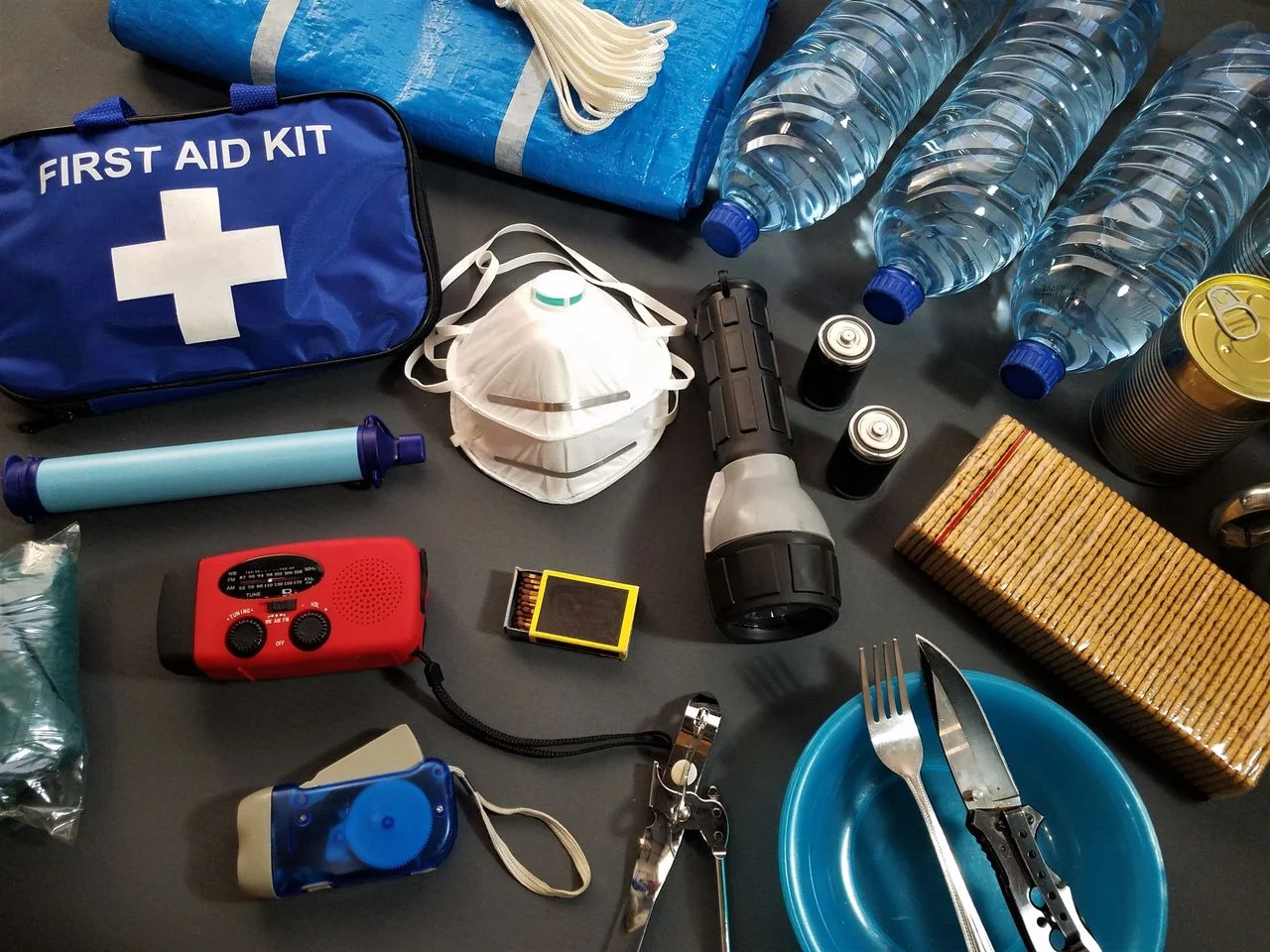
Build a weather kit. Flashlights, extra batteries, a hand-crank radio, first aid supplies, nonperishable food, water. Store it somewhere obvious — not buried behind holiday decorations. Learn to shut off your utilities, too. A cracked gas line after a storm isn't just a hassle. It's a second emergency stacked on top of the first, and those compound fast.
2. House Fires
Fires move fast. Families have been forced out in under two minutes. That's documented, not dramatic. Smoke detectors on every level — especially near bedrooms — are non-negotiable. Test them monthly. Swap batteries twice a year. A detector running on a dead battery is just plastic on the ceiling. Keep a fire extinguisher in the kitchen; small fires can be stopped before they spread, but only if the extinguisher is within reach.
Practice your escape plan. Actually practice it — don't just mention it once at dinner and assume it stuck. Every room needs two exits. Everyone needs to know the outdoor meeting point. Kids and elderly family members may need to walk the routes several times before muscle memory takes over. And if fire has grown past the point of control? Get out.
3. Plumbing Failures and Water Damage
A burst pipe won't wait for a convenient moment. Neither will a failing water heater. Costs climb into the thousands fast — and that's before mold takes hold in saturated walls. Know where your main shut-off valve is. Not roughly. Exactly. Closing it within the first few minutes of a pipe bursting is the difference between a manageable mess and a gutted floor. Insulate exposed pipes in unheated spaces before winter arrives. Clean drains regularly. Put water detection sensors near washing machines, water heaters, and under sinks — they catch slow leaks before the damage compounds into something structural.
Speed is everything once flooding starts. Homeowners who act quickly by contacting a restoration company in Berlin, NJ can stop structural damage from spreading and cut off mold before it digs into soaked flooring and walls. Keep a basic plumbing kit around too — pipe repair tape, a plunger, a bucket. Nothing glamorous. But those items buy time until professionals arrive, and time is what determines the final repair bill.
4. Power Outages
Extended outages aren't just inconvenient. For households with members on electrically powered medical equipment, they're genuinely dangerous. Storms, downed lines, grid failures — any of these can cut lighting, heat, refrigeration, and device charging simultaneously. Your outage kit should include flashlights, spare batteries, a portable phone charger, a battery-powered radio, and food requiring no cooking. If anyone in the house depends on medical equipment, talk to their healthcare provider now — before an outage, not during one — about backup power options and utility priority restoration programs.
A generator solves much of this. But generators kill people every year through carbon monoxide poisoning when run indoors or in garages. Outside only. Always. Read the operating guidelines before you actually need the machine — not while fumbling with it in the dark during a storm.
5. Home Invasions and Security Breaches
Most break-ins are opportunistic. Deadbolts, reinforced door frames, secured windows — these basic measures deter a large share of intruders who are simply hunting for easy targets. Motion-sensor lighting around entrances removes the cover of darkness. A monitored security system adds another layer, sending alerts when doors or windows are breached even when nobody's home. None of it is foolproof. But raising the difficulty level is usually enough to make most intruders move on.
Physical barriers are only part of it. Your family also needs a plan. A code word signaling danger. A designated safe room with a lock. Clear rules about when to call police rather than confront someone directly. Revisit this with your kids periodically — not once and never again. Under stress, people fall back on what they've rehearsed. Make sure there's something to fall back on.
Conclusion
Preparedness isn't about fear. It's about not getting caught flat-footed when something real happens. Severe weather, house fires, plumbing failures, power outages, security breaches — each one calls for different supplies, different plans, different instincts. Assess what's likeliest where you live. Build the right kits. Run through the scenarios with your household. The time spent now pays off quietly — right up until the moment it pays off loudly, and you're actually ready.