Sign up with Google
 Sign in with Zoho

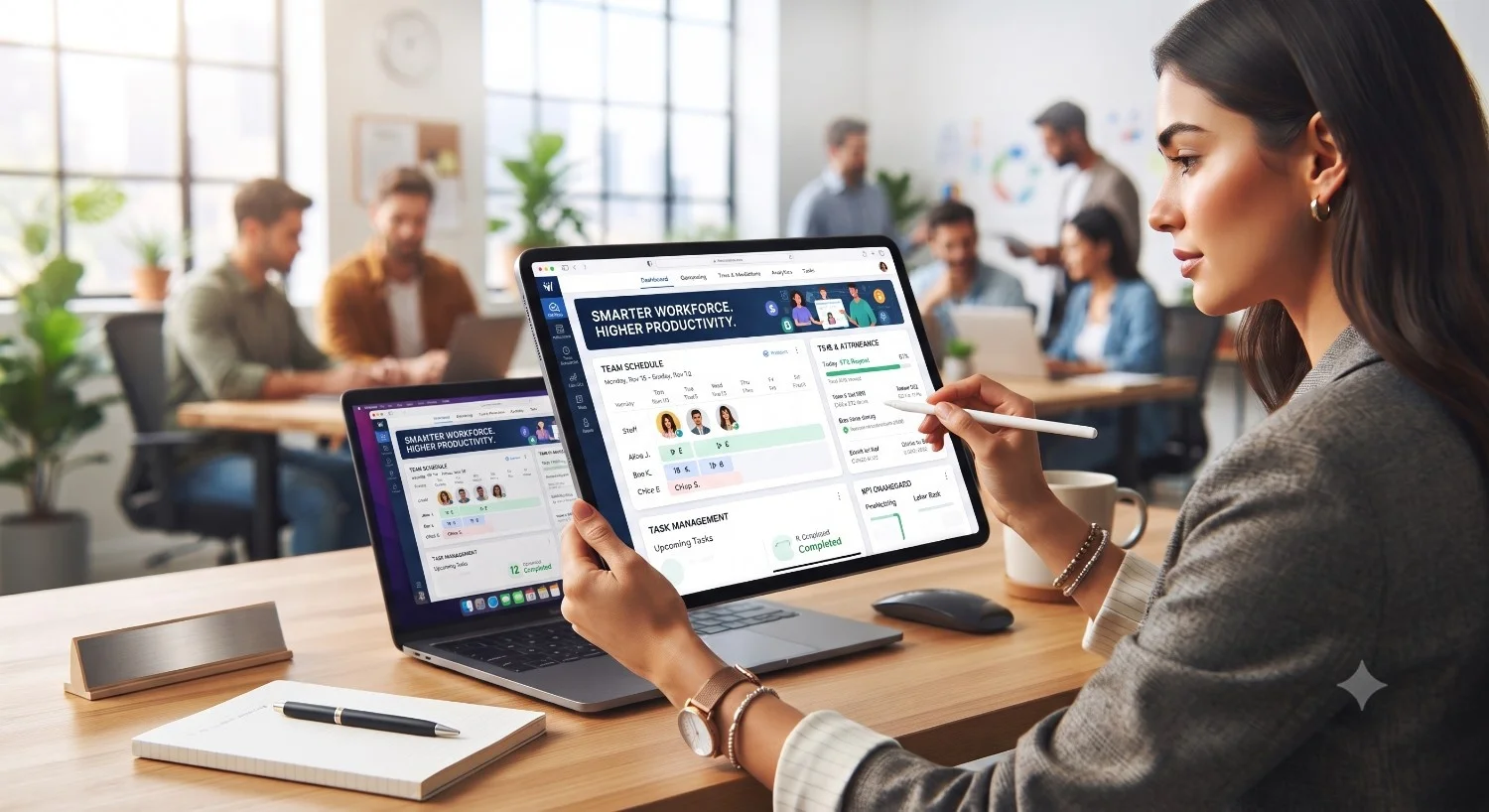
Running a growing team comes with new challenges every month. As headcount increases, it gets harder to keep track of productivity, attendance and daily tasks. This is where staff monitoring software comes in. It gives business owners and managers a clearer picture of how their teams are working. It also does this without adding extra admin to their plate.
1. Better Visibility Into Daily Productivity
Staff monitoring software gives managers real visibility into how work gets done. There is no need to rely on guesswork or end-of-week reports. Managers can see real-time data on task progress, time spent on activities, and overall output.
This kind of visibility helps a lot with remote or hybrid teams. It is harder to gauge productivity when you cannot walk past someone's desk. With the right staff monitoring software in place, managers can spot bottlenecks early. They can step in before small issues turn into bigger problems.
2. Simplifies Time Tracking and Attendance
Manual time tracking is tedious. It is also prone to errors. Spreadsheets get out of date. Timesheets get submitted late. Mistakes creep in when staff rely on memory to log their hours. Staff monitoring software automates this whole process. It captures accurate clock-in and clock-out times without extra effort from employees.
This matters a lot for businesses that rely on workforce management systems. These systems handle rostering, shift changes and payroll all in one place. When time tracking connects to a broader workforce management system, payroll takes far less time. There is also less room for costly errors when paying staff.
3. Supports Fairer, Data Driven Decisions
Performance reviews work best when they rely on real data. Gut feeling and assumptions are not enough. Staff monitoring software gives managers real numbers to work with. This includes task completion rates, time spent on projects, and attendance patterns.
This makes it easier to have fair, honest conversations with staff about performance. Managers can point to real data instead of relying on subjective impressions. This applies whether the topic is strengths, areas for improvement, or workload. Over time, this builds more trust between staff and management. Decisions start to feel grounded in evidence, not opinion.
4. Helps Identify Training and Support Needs
Managers can see exactly how tasks get completed. This makes it much easier to spot where extra training might help. Say one team member takes longer on a task than their peers. That is a clear signal worth looking into. Otherwise, it might go unnoticed.
Staff monitoring software makes these patterns visible. Managers do not need to constantly check in or micromanage. This means support goes where it is genuinely needed. It does not get spread thin across the whole team. Many businesses find this leads to better outcomes. Training becomes more targeted and efficient.
5. Improves Compliance and Reduces Risk
Some industries have strict compliance requirements. For these businesses, staff monitoring software helps reduce risk. Accurate records of hours worked, breaks taken, and tasks completed can prove compliance if ever questioned.
This becomes even more useful when paired with broader workforce management systems. These often include duress alerts, safety check-ins, and emergency monitoring. Together, these tools help protect staff. They also keep accurate records that support compliance across the board.
Choosing the Right Solution for Your Team
Not every staff monitoring software solution suits every business. Growing teams should think about what matters most to them. This might be time tracking, task management, safety features, or payroll integration. It is worth trialling a few different platforms before committing. The right fit depends on team size, industry, and daily workflow.
Some businesses already use workforce management systems for scheduling or payroll. These businesses should check how well a new monitoring tool fits with what they already have. A solution that works well alongside existing systems saves time. It also cuts down on duplicated admin work later on.
Conclusion
As teams grow, it gets much harder to track productivity, attendance, and compliance by hand. Staff monitoring software offers a practical way to manage these challenges. It gives managers better visibility, fairer decisions, and stronger support for staff. Paired with broader workforce management systems, businesses get an even fuller view of how their teams operate day to day. For growing teams looking to scale, investing in the right monitoring tools now can save real time and stress later on.