Sign up with Google
 Sign in with Zoho
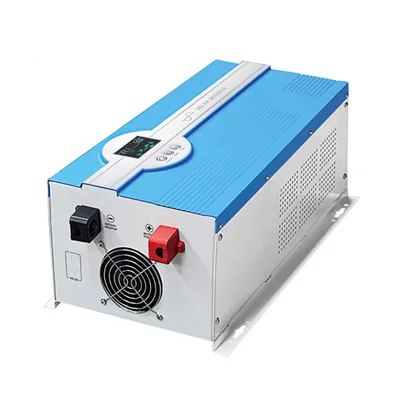
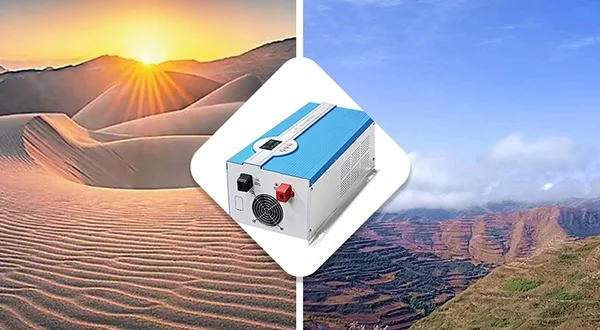
As renewable energy becomes increasingly important, off-grid inverters are helping households, businesses, and remote facilities access electricity without relying on a continuous connection to the public utility grid. When combined with solar panels, batteries, and suitable electrical protection equipment, these inverters form a key part of an independent power system.
What Is an Off-Grid Inverter?
An off-grid inverter converts direct current (DC) electricity from batteries or other compatible DC sources into alternating current (AC) electricity for appliances and electrical equipment. Unlike a conventional grid-tied inverter, which operates in coordination with the utility grid, an off-grid inverter is designed to supply power to an independent electrical system.
Many off-grid inverters work with battery storage to provide electricity when solar generation is insufficient, such as at night or during cloudy weather. Some models also incorporate a solar charge controller, while others can connect to external solar charge controllers or compatible charging equipment. Certain systems support generators or other backup power sources to improve energy availability.
Key Benefits of Off-Grid Inverters
One of the main advantages of off-grid inverters is energy independence. They make it possible to establish power systems in rural homes, cabins, farms, construction sites, telecommunications facilities, and other locations where grid electricity is unavailable, unreliable, or expensive to extend.
Another important benefit is flexible system design. Depending on the model and configuration, an off-grid system can supply lighting, communication equipment, refrigerators, water pumps, and various household or industrial loads. Pure sine wave models produce an AC waveform suitable for many sensitive electronic devices and motor-driven appliances, provided the inverter's ratings meet their requirements.
Off-grid systems can also support better energy management. By combining solar generation with appropriately sized battery storage, users can store excess energy for later use, reduce dependence on fuel-powered generators, and improve the utilization of renewable electricity.
How to Choose the Right Off-Grid Inverter
Selecting an appropriate inverter requires careful consideration of the intended application. First, calculate the total power consumption of the connected equipment and identify any high starting currents from motors, pumps, compressors, or refrigeration units. The inverter must have sufficient continuous output power and surge capacity to handle these loads.
Next, check the DC input voltage, AC output voltage, operating frequency, waveform, and battery compatibility. The inverter's charging functions, if included, should also match the battery chemistry and charging requirements. For solar applications, ensure that the photovoltaic input voltage, current, and power remain within the manufacturer's specified limits.
Environmental conditions matter as well. Temperature, ventilation, humidity, dust, and installation location can affect equipment performance and service life. Appropriate circuit breakers, fuses, grounding, cables, and other protective devices are essential for safe operation.
Can an Off-Grid Inverter Work Without Batteries?
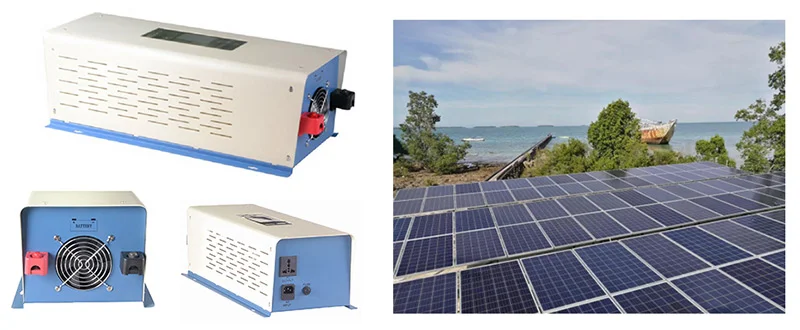
Some off-grid inverter models can operate without batteries under specific conditions, but this capability is not universal. Battery-free operation depends on the inverter's design, solar input characteristics, load requirements, and the availability of sufficient sunlight. Without storage, power output may fluctuate when sunlight changes, and the system may shut down when solar generation cannot meet demand.
For applications requiring power after sunset, during poor weather, or when loads must remain stable, battery storage or another compatible backup source is generally necessary. Users should always consult the product specifications before designing a battery-free system.
Applications Across Different Industries
Off-grid inverters serve a broad range of applications. In agriculture, they can support solar-powered irrigation pumps and farm equipment. In remote residential properties, they provide electricity for essential appliances and lighting. At construction sites and monitoring stations, they can power tools, sensors, and communication devices where grid access is limited.
For commercial and industrial installations, system capacity, load characteristics, backup requirements, and electrical safety standards should be evaluated before installation. Larger applications may require multiple inverters or a professionally designed power distribution system.
The Future of Independent Power Solutions
Off-grid inverters are an important technology for expanding access to reliable electricity and making renewable energy more practical in locations beyond the utility grid. With appropriate system sizing, compatible energy storage, and suitable protective equipment, they can provide flexible power for residential, agricultural, and commercial needs.
As solar inverter technology advances, improvements in conversion efficiency, monitoring, charging control, and system integration continue to support more capable independent energy systems. Choosing an off-grid inverter that matches the actual application is the foundation for building a safe, efficient, and dependable power solution.