Sign up with Google
 Sign in with Zoho
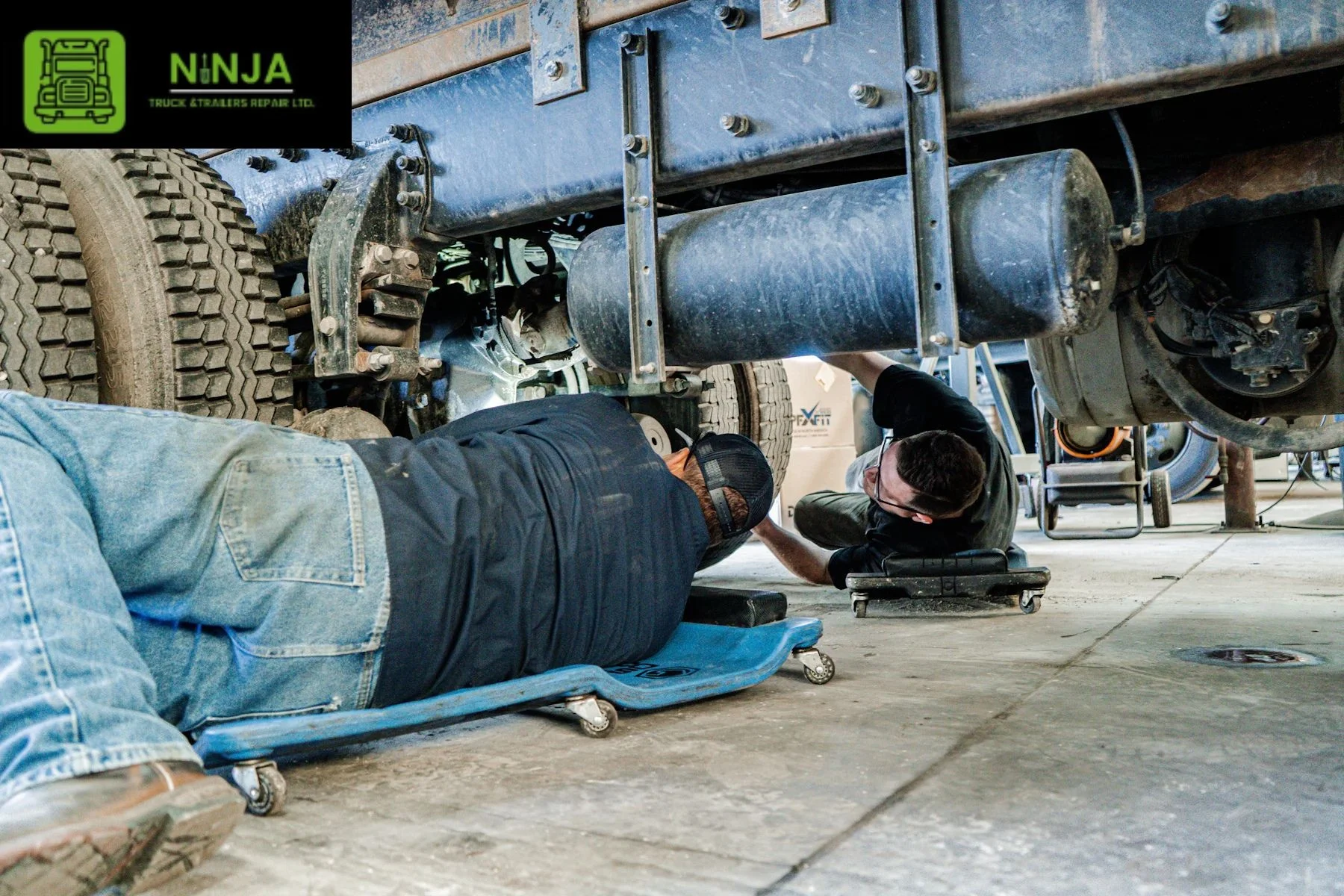
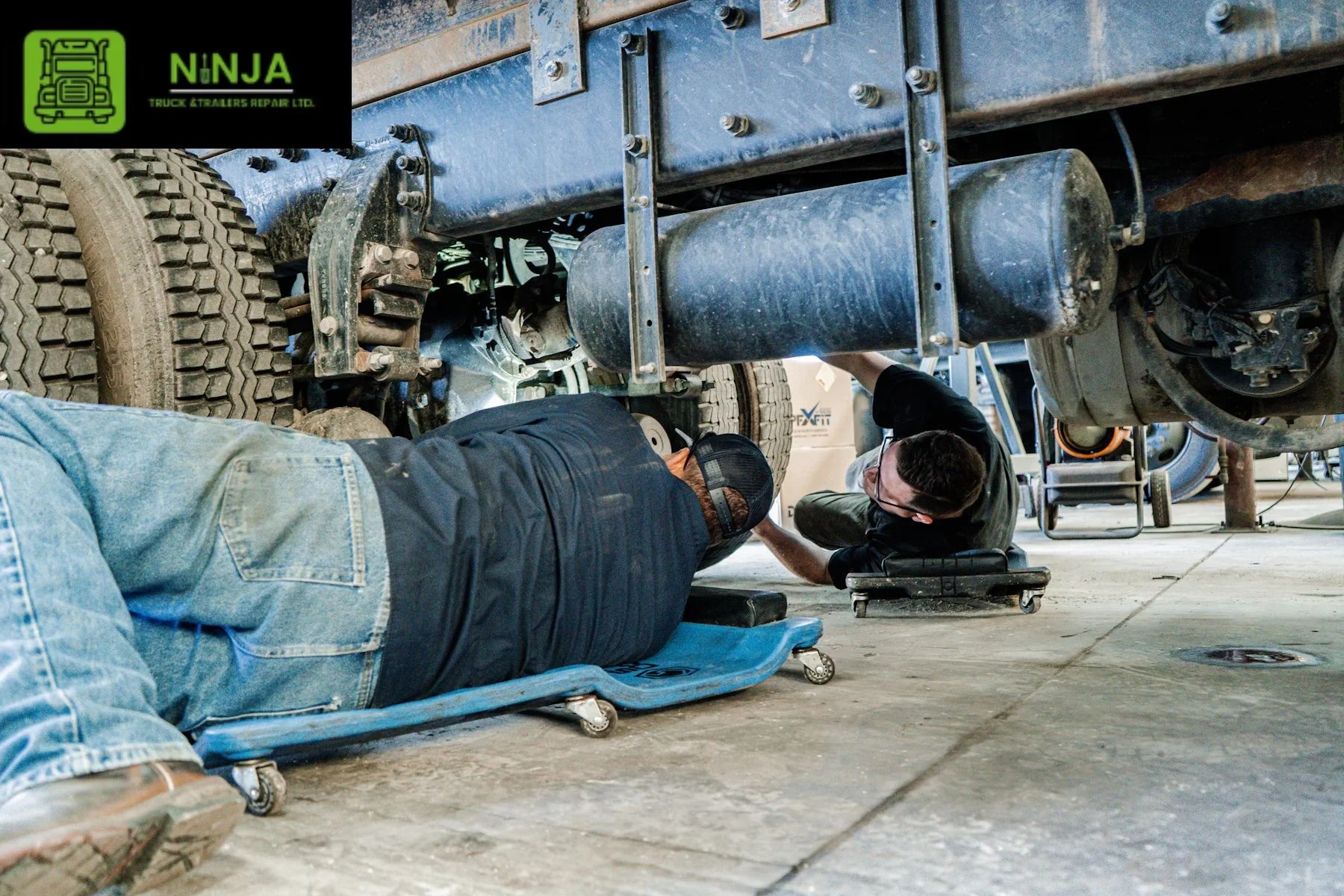
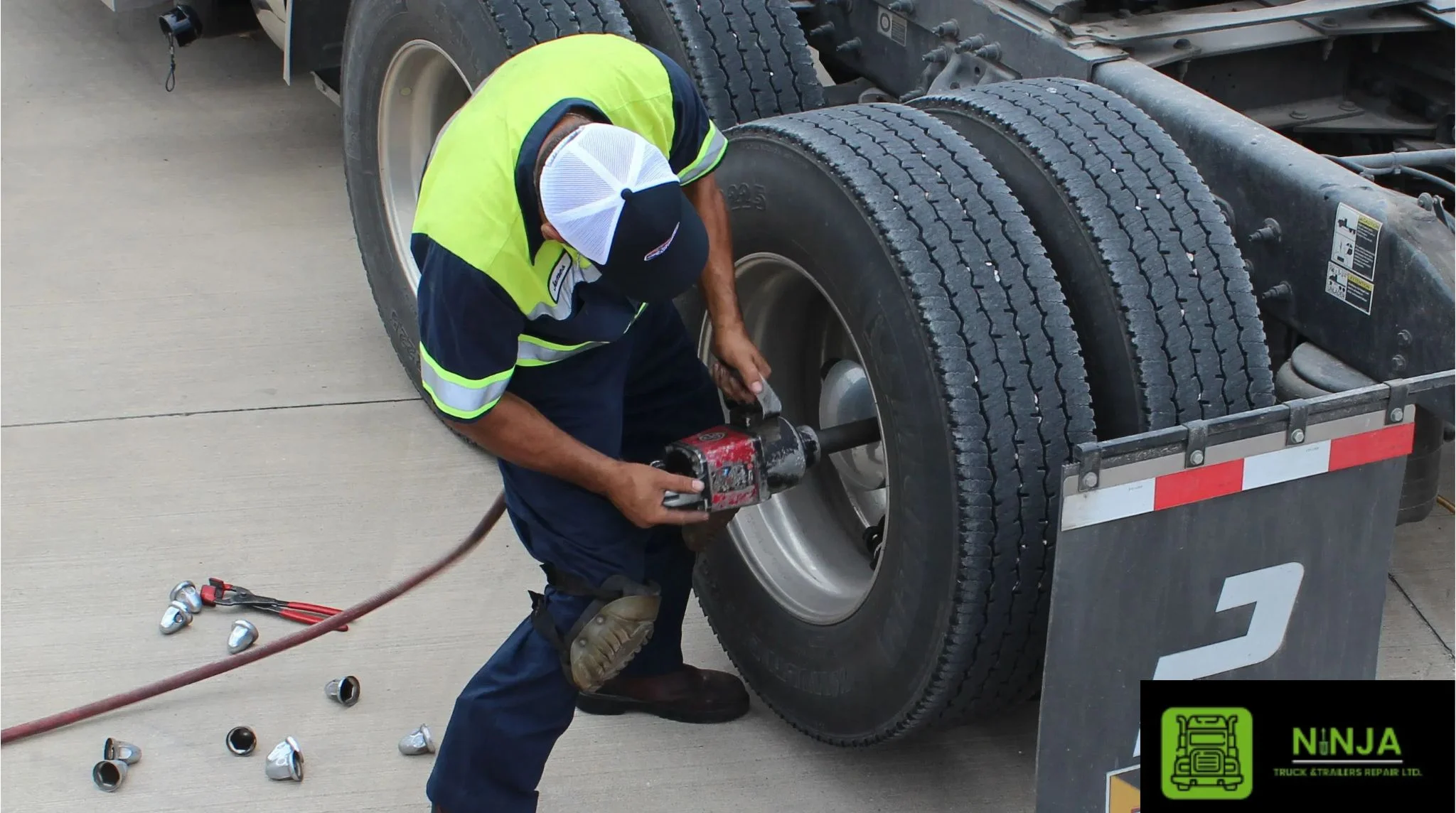
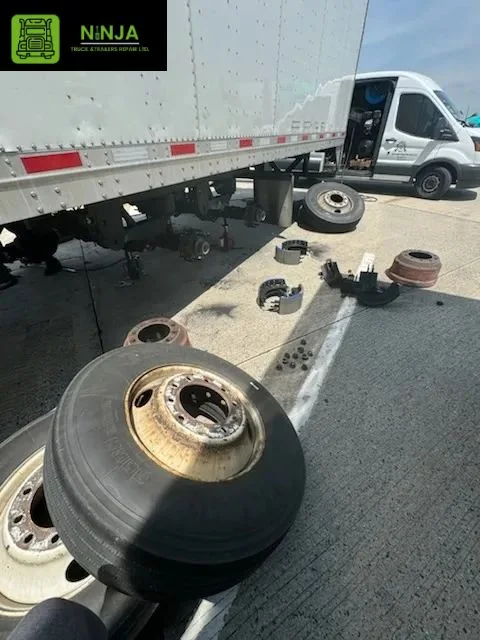
If your trucks' tires are damaged, you can cause a disruption in your entire delivery schedule, cause safety issues, and put yourself in an awkward situation in which you have to find help far from the usual repair shop. A reliable mobile truck tire service is a handy solution for commercial drivers and fleet operators that can help them solve issues without having to call the truck shop to arrange their trip. On-site Alp drivers handle issues that crop up at their establishment, whether it's unexpected punctures, worn tread, or replacement of the tire—there are many possibilities. From unexpected punctures to worn tread and tire replacement, there are many challenges that can arise at their location that on-site Alp drivers can handle without unnecessary delays. Knowing what mobile tire support is, when to use it, and how to maintain commercial tires can simplify your daily fleet operations.
Why Is Commercial Truck Tire Maintenance So Important?
The tires on trucks are under heavy loads and constantly encounter various road surfaces, weather conditions, braking requirements, and duty cycles. Over time these factors will all have an impact on tire pressure, tread wear, sidewalls, and performance. It's important to note that although similar to passenger vehicles, commercial trucks and trailers frequently have multiple tires carrying heavy loads and equipment, making it critical to ensure proper tire condition.
Undiagnosed tire issues can impact the performance of the vehicle, fuel economy, and load stability. If the pressure is too low, it could lead to excessive heat buildup; if it is too high, it could lead to uneven contact with the road and also uneven tread wear. They may also be a source of further issues such as cut, bulged, and damaged valve stems if left untreated.
By regularly checking tires for the following, you can avoid unexpected and dangerous breakdowns. Drivers should make sure tires are inflated, inspect for unusual vibrations or handling changes, and look for worn tires.
Fleet managers also should keep records of tire inspections, replacements, repairs, and tire pressure checks. These records can be used to see if there are recurring issues and can assist in greater purchasing and maintenance decisions.
What Services Should You Expect from a Mobile Truck Tire Service?
A mobile truck tire service is a professional service that is set up to provide appropriate assistance to a truck, trailer, or fleet at the truck location. Mobile techs can now diagnose some tire issues at the vehicle's location and let the owner know what to do next, rather than having to travel to a tire shop to get a diagnosis.
Services available may vary depending on equipment, tire specifications, and damage and may include:
- Flat tire assessment: Examine for punctures, loss of air pressure, and damage to the tire to see if it can be repaired safely.
- Commercial tire replacement: Remove an inappropriate or damaged tire and install a suitable replacement tire with the appropriate equipment and stock on hand.
- Tire Pressure Checks: Finding tire inflation issues and checking for valve issues or tire leaks.
- Valve stem repairs: Repairing faulty or worn valve parts that cause slow air leakage.
- Sidewall damage assessment: An evaluation of cuts, bulges, and other visible damage to determine if the sidewall needs to be replaced.
- Tire inspection on semi-trailers and other commercial trailers that could have issues during transportation of loads.
- Commercial vehicle tire support: Supporting the fleet industry with several vehicles' tire maintenance needs.
Not all tires can be repaired. Whether or not a puncture can be repaired depends on a number of factors, such as puncture site, extent of damage, type of tire, and manufacturer guidelines. Replace when sidewall damage, structural cord(s), are exposed, and/or severe deterioration occurs.
A responsible technician should be able to explain why the tire is flat and what the repair is and would not just try to repair a flat when it could not be repaired.
What Should Drivers Do When a Truck Tire Fails on the Road?
A tire blowout can occur on a long trip, at a delivery location, or while a truck is driving in an unfamiliar area. This is because understanding the situation allows you to take steps to avoid the situation becoming dangerous.
1. Find a safe stopping location.
If a tire trouble arises while driving, gradually decrease the speed of the vehicle and then pull over to a safe place to stop. Don't make sudden turns or abrupt stops. Turn on the warning lights and take any necessary precautions on the road.
2. Assess the visible problem
After parking safely, check for any obvious items like an all-the-way flat tire, worn or cut tire, cut side walls, loose parts, or obvious damage to the wheels. Never walk behind, in front of, or become unsafe near the moving traffic.
3. Avoid continuing with a damaged tire
The damage to the commercial tires may be exacerbated by driving on underinflated or poorly maintained tires and can impact surrounding parts. A repair may not be possible if the car is still in use while it is being repaired.
4. Contact an appropriate service provider.
If asking for help, describe the exact place the truck, trailer, or vehicle is located, and include a description of the problem, if any, and if the vehicle has a tire size, include that as well. External photos can also enable the technologist to gain an understanding of the situation when taken from a safe distance.
5. Confirm the repair requirements
Prior to the work, determine if the problem is a repair, replacement of the tire, wheel problem, or other mechanical problem. Inquire about the time they will take, the equipment they need, and the cost of the services.
These measures will help drivers accurately describe the issue and enable the service provider to see if there is an on-site solution possible.
How Does Mobile Tire Assistance Support Truck and Trailer Fleets?
Problems with tires are more than just maintenance hassles for transportation companies. A disabled vehicle has the potential to impact delivery schedules, driver schedules, cargo plans, and other fleet resources.
When a commercially available vehicle is not able to readily get to a repair shop, mobile assistance is an option. A technician might either check the tire in a warehouse, distribution center, parking area, or safe roadside spot, depending on the situation.
This can be especially beneficial for businesses that run multiple trucks throughout the Calgary and Chestermere areas. Instead of having to deal with all issues related to tires from a central workshop, fleet managers can consider the on-site assistance for the appropriate repair/replacement.
When operators are looking for mobile truck and trailer assistance around Chestermere, they have a relevant choice to consider—companies like Ninja Mobile Truck & Trailer Repair in Chestermere. To find out if the businesses' needs can be met, they are able to visit the official service website to view the car repair information available.
Mobile tire support can also be used as part of a wider commercial vehicle maintenance. A business might need help with a set of tires while another part of the business is getting ready for tire inspections, brakes, electrical connections, or other matters regarding a trailer. If caregivers have concerns, they can be addressed by a systematic maintenance process and thus avoid further service interruptions.
But mobile services should not be a substitute for all workshop repair services. This may involve special wheel balancing equipment, special alignment equipment, extensive wheel damage, or some types of tire installations.
How Can Businesses Reduce Unexpected Truck Tire Problems?
While all roadside tire failures are not preventable, there are good maintenance practices that can minimize unnecessary failures and catch early warning signs earlier in a way that will help fleet managers.
Monitor inflation pressure consistently.
Measure tire pressure in accordance with the manufacturer's specifications and operating requirements. They should be performed with appropriate tools, allowing for the use of the correct cold inflation pressure for the tire and the actual load, if applicable.
Inspect tread and sidewalls.
Check for bulges, cuts, cracks, exposed cords, and objects embedded in the tire. If there is uneven wear, it could be due to alignment, suspension, inflation, or loading issues that should be investigated.
Maintain suitable load distribution.
Excess load or distribution of load can cause stress to individual tires. The load rating of vehicles and tires should be followed by fleet operators, and the load should be properly distributed and secured.
Pay attention to operating conditions.
Tire wear and potential damage can be affected by frequent braking, rough roads, construction zones, and temperature fluctuations. If there are unusual vibrations, repeated pressure loss, or changes in handling, drivers should report it immediately, not wait for the next scheduled inspection.
Keep accurate tire maintenance records.
Take notes on the date of installation, inspections, pressure readings, repairs, and replacement. These records can dish out repeated failures and enable companies to make better choices about the tires they choose and when they need to be replaced.
Why Is Tire Care Also Important for Semi-Trailer Maintenance?
The truck and trailer tires are interdependent and make up a commercial vehicle combination. When one tire on the trailer fails, it affects the load distribution, handling, and the condition of adjacent parts.
This is why tire inspections are an important component of the comprehensive process of trailer maintenance. When interviewing a semi-trailer repair shop, ask if the operator can discuss other issues as well as brakes, suspension, wheel assemblies, air systems, and electrical connections.
For instance, even if the tire is of poor quality, if the wear is seen on one side, it could indicate that there is a mechanical problem. When replacing a tire, do not do it without confirming the causes of the problem, as it may occur again.
Likewise, if there is damage to the trailer wheel, a failure in the air system, or a failure in the suspension, it may need further investigation before the merchandise is deemed safe for running.
In addition to performing the right tire inspection, using the right trailer maintenance provides fleet managers with more information about their vehicle's condition. It also aids technicians to identify isolated tire damage from issues with other systems.
Frequently Asked Questions
Can a mobile truck tire technician replace a semi-truck tire?
Yes, semi-truck and trailer tires can be replaced at the location of the vehicle by mobile technicians when they have the necessary equipment, compatible replacement tires, and safe working conditions. The availability is dependent on tire size, wheel specifications, location, and type of problem. Double-check these details when asking for help.
Is every punctured commercial truck tire repairable?
No: The location, size of the puncture, the type of tire, and the manufacturer's repair specifications determine the various degrees of repairability. When damage is present to the sidewall or shoulder, exposed cords or severe deterioration, it is typically not possible to repair a tire. Before determining if this tire should be repaired or replaced a qualified technician should check it.
What information is needed when booking roadside tire assistance?
Tell where you are, your truck/truckload, your tire size, and the damage. Tell if the tire is fully flat, has low tire pressure, or if there is damage to the tires. Send photos—if available, taken safely. This information allows the service provider to determine the equipment needs and/or to find an appropriate alternative if necessary.
How often should commercial truck tires be checked?
Before trips and in regular maintenance inspections, commercial truck tires must be checked. Inspectors should check the inflation pressure, tread pattern, sidewalls, and any discernible damage. Further checks might be required following encountering a road hazard, abnormal vibration, or frequent pressure loss. Observe all applicable regulations and manufacturer's recommendations.
Can mobile tire services assist fleet operators at their business location?
There are numerous mobile tire services that will help at appropriate business properties such as fleet yards, warehouses, and parking garages. Can be helpful if multiple vehicles need to be checked or tires replaced. Commercial tire needs should be verified with the provider for service coverage and schedule, available equipment, and if the provider can meet the specific commercial tire needs.
Conclusion: Make Commercial Tire Maintenance a Priority
For commercial vehicles with heavy-duty trucks and strict road and loading conditions, reliable tire performance is a must. All of these lead to safer and more predictable fleet operations when they're accomplished in a timely, regular, and correct way.
When a problem with the tires occurs out of the way of a repair shop, a reliable mobile truck tire service provides another viable solution for drivers and businesses. Ninja Mobile Truck & Trailer Repair—Chestermere, Calgary—is one of the options to consider when looking for a mobile truck and trailer repair service in the Chestermere and Calgary area. Visit your tires, check what services are available, and make sure you have a regime to maintain your commercial vehicles on the road.