Sign up with Google
 Sign in with Zoho
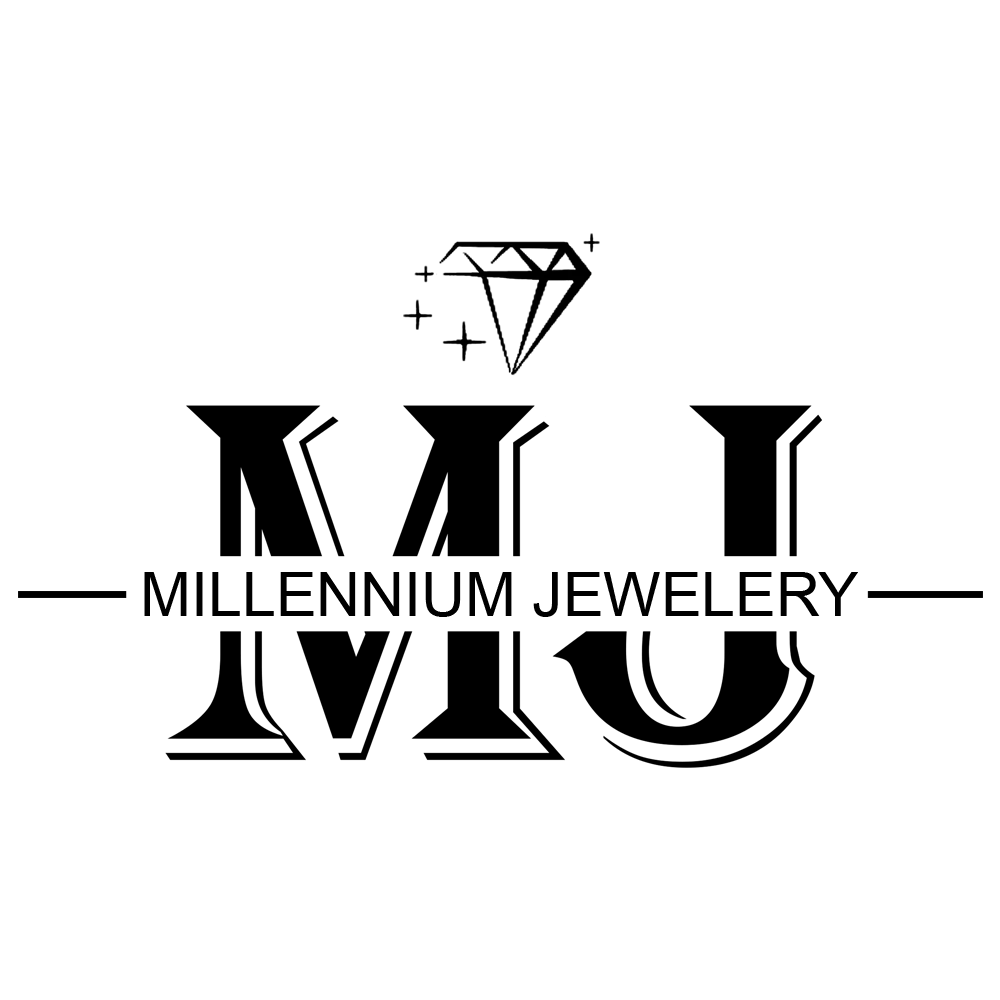
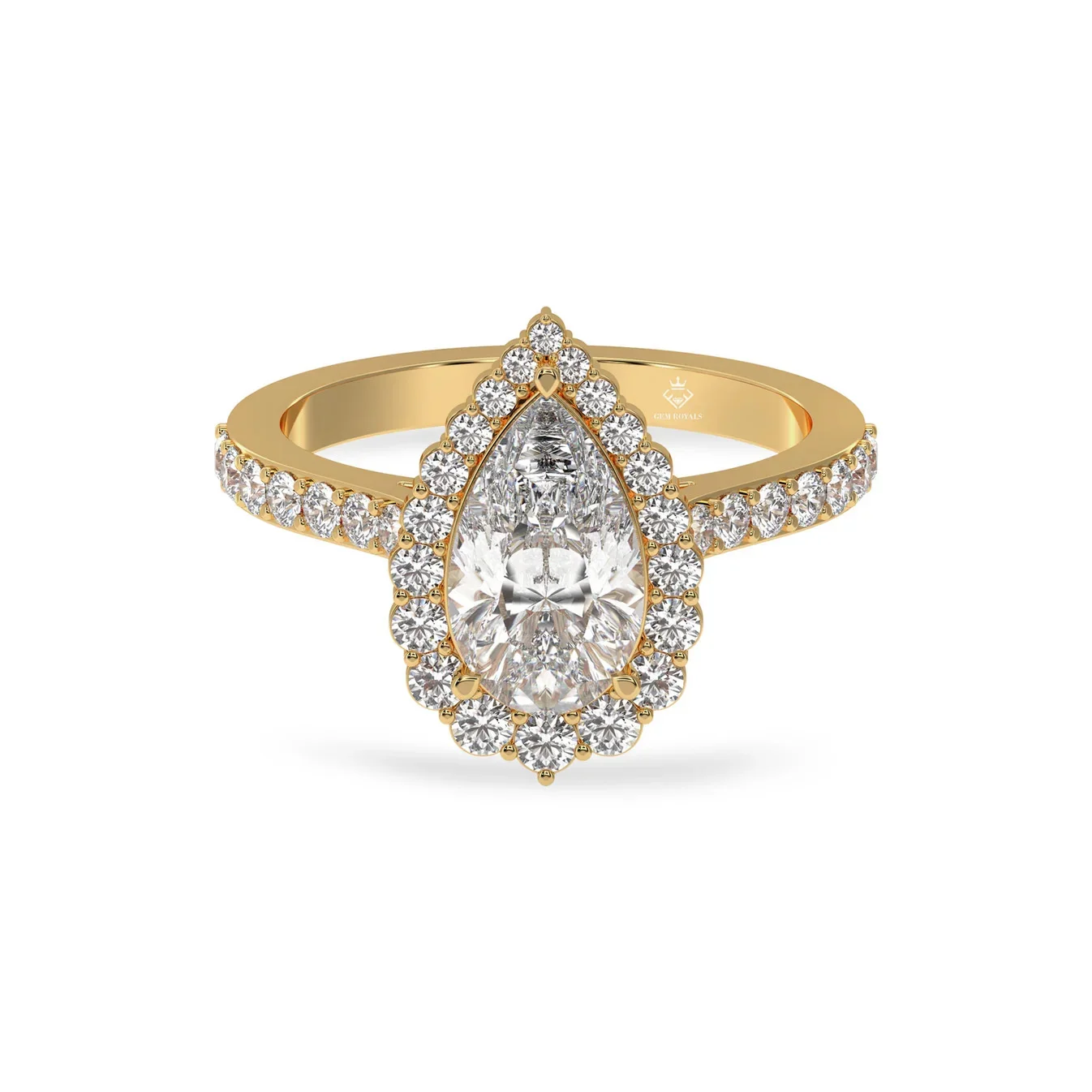
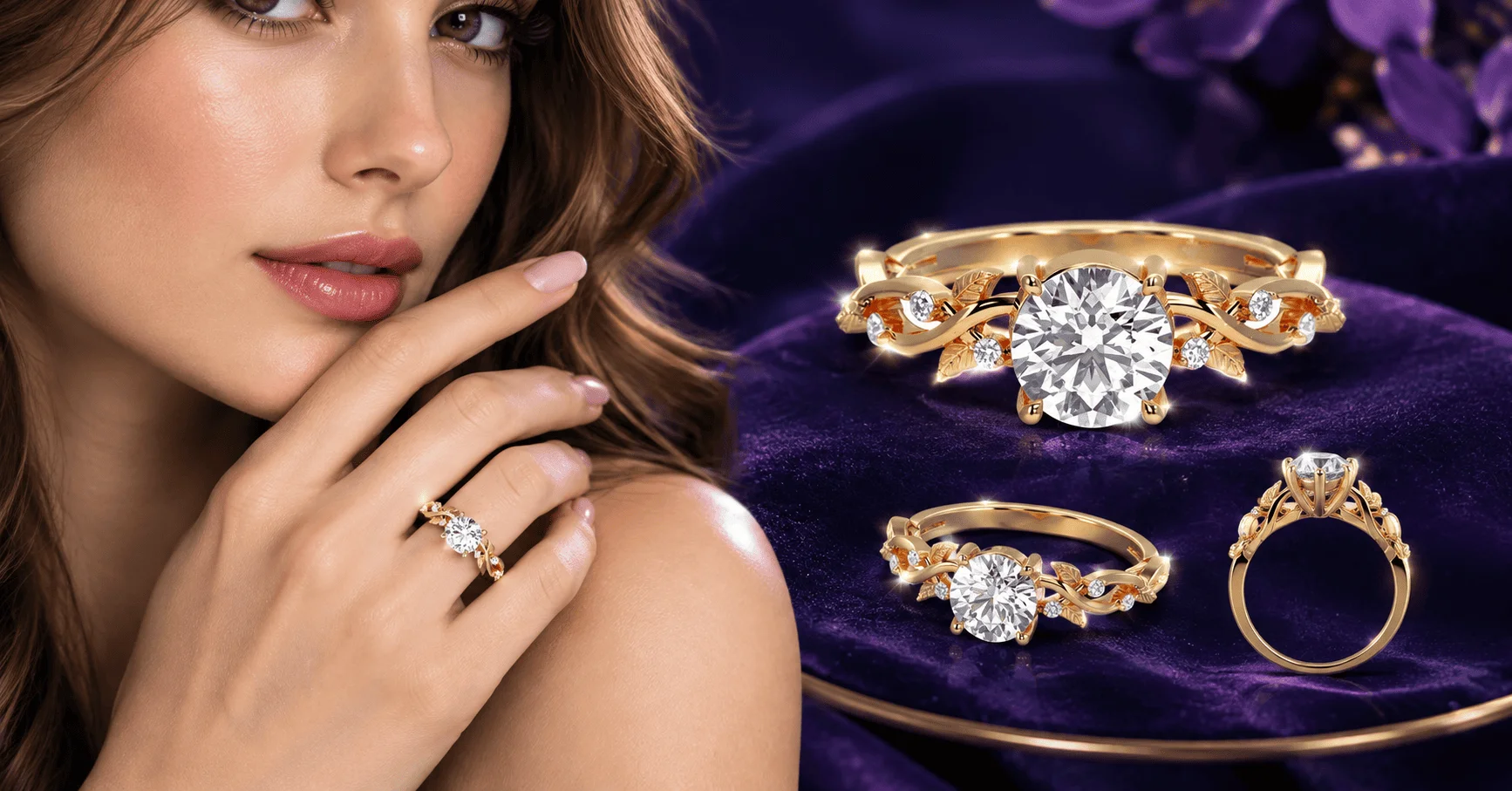
Hold a one-carat diamond beside a two-carat one and the difference isn’t subtle, but it isn’t shouting either. That sweet spot is why the 2ct diamond engagement ring keeps appearing in proposal stories. From a gemology standpoint, the appeal isn’t only about size. It’s about how a stone of this weight behaves on a real hand: typing, cooking, hugging, waving across a room. Here’s what two carats actually looks like, why it’s trending, how to choose well, and where it’s smart to save.
What Two Carats Really Means (and Doesn’t)
Carat is weight, not width
A carat is a unit of weight, about 0.2 grams. It says nothing directly about how big a stone looks from above. A well-cut round brilliant of two carats typically measures around 8 mm across, but two stones of identical weight can differ noticeably in spread.
How cut changes the face-up look
Cut is where weight gets wasted or well used. Table percentage (the width of the flat top facet relative to the stone’s diameter) and total depth percentage (height relative to diameter) govern how light travels inside. A deep stone hides weight in its pavilion and looks smaller face-up. A very shallow one can look wide but washed out. The girdle, the thin band around the stone’s edge, matters too: extremely thin ones chip more easily, and very thick ones add weight without adding visible size.
The Celebrity Pull: Why Two Carats Keeps Showing Up
Presence without a paperweight
Celebrity engagement rings tend to be talked about in extremes, but the large solitaires seen on A-list hands often sit in this range for a reason. Two carats reads clearly in photos and across a dinner table, yet it doesn’t snag every sleeve or tip sideways on a slim finger. It’s a statement most people can actually wear daily.
Red carpets, cameras and scrolling
Red-carpet-worthy rings are now studied in close-up on social media, and viewers screenshot what they like. A 2 carat diamond ring photographs well because it catches light from several angles without needing an oversized setting. What buyers often find is that the ring they save as inspiration looks different in person, so lighting matters. Diamonds sparkle most under spotlights and overhead lights, and look quieter in soft window light.
Choosing a 2ct Diamond Engagement Ring Without Second-Guessing
The 4Cs trade-offs
Color is graded D to Z, with D–F colorless and G–J near-colorless. At two carats, tint becomes easier to see, especially in white gold or platinum, so many buyers settle in the G–I range. Clarity runs from Flawless (FL) down through VVS, VS, SI and finally I1–I3 (included). In practice, a VS2 or SI1 stone is often “eye-clean,” meaning no flaws are visible without magnification, but it’s worth viewing the actual diamond. Diamond cut and clarity decisions work together: cut drives sparkle, so it’s usually the last place to cut corners.
Fluorescence: a small glow, a small decision
Fluorescence is a faint glow some diamonds emit under UV light. Faint or medium usually has no visible effect. Strong fluorescence can, in a minority of stones, give a slightly hazy look, so inspect it in person if the report notes it.
Settings that flatter two carats
A solitaire keeps the focus on the stone. A hidden halo, a ring of small diamonds beneath the main stone, adds sparkle from the side without enlarging the top view. A three-stone design frames the center and adds finger coverage, though it can read busier.
Finger proportion
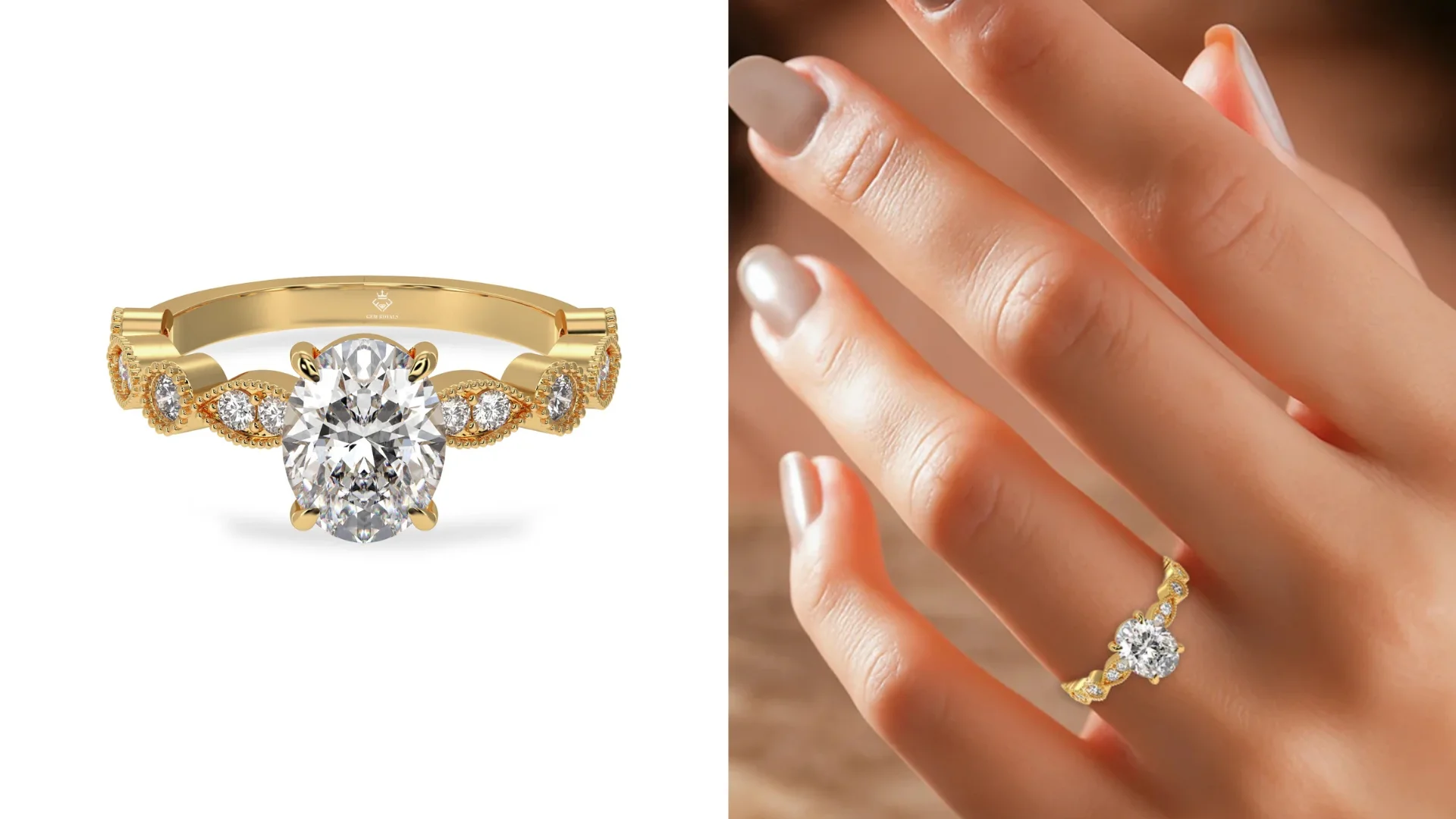
Two carats can look larger on a narrow finger and more balanced on a broader one. Elongated shapes tend to make shorter fingers look longer. Try rings on before deciding, since the same stone can feel completely different on different hands.
One Carat Weight, Many Personalities: Shapes Compared
Shape changes perceived size more than most buyers expect.
An oval can look larger than a round of the same weight, because more of its weight is spread across the top. A round is the most brilliant and tends to hide inclusions well. An emerald cut offers a long, glassy, understated look, but its large open facets reveal flaws, so clarity matters more. A cushion feels soft and romantic, with a slightly chunky look. A pear gives length and a graceful point, though pears and ovals can show a “bow-tie,” a dark band across the middle. A radiant blends emerald-cut outlines with sparkly facets and tends to hide minor inclusions well.
Buying Smart: Natural, Lab-Grown and Where to Compromise
Lab-grown vs natural diamond
Lab-grown and natural diamonds share the same basic chemistry and structure. The main differences are origin, price, and long-term resale value. Lab-grown stones typically cost considerably less, which can make a bigger or better-cut stone possible. Natural diamonds often hold value better, though resale of any diamond is rarely a full return. Neither is “better” universally; it depends on what matters to you.
Certification matters
Ask for an independent grading report from GIA or IGI. GIA is widely regarded as the benchmark for natural diamonds, and both labs grade lab-grown stones. Check that the report number matches any laser inscription on the girdle, and read the cut, color and clarity grades yourself rather than relying on the label alone.
Budget ranges and smart compromises
Prices for two-carat stones vary enormously with quality, origin and shape, so set your budget around the whole ring, not the diamond alone. If you need to compromise, color and clarity usually give more room than cut. Choose an eye-clean stone rather than the highest grade, and prioritize proportions.
It’s honest to say a 2ct stone isn’t for everyone. If you work with your hands, prefer low-profile jewelry, or would rather put money toward a home or travel, a smaller stone may suit you better.
A Closing Thought
A 2ct diamond engagement ring works because it balances drama with daily wear, not because of any trend. Look at the stone in several lights, check the report, and trust what you see rather than just the numbers. If you’d like to browse options with that mindset, Gem Royals offers a good place to start.