Sign up with Google
 Sign in with Zoho
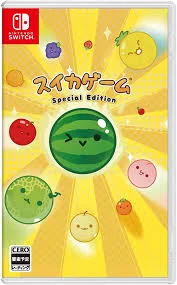
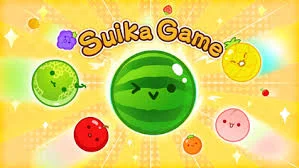
I'll admit it — I didn't expect a game about dropping fruit into a box to eat up an entire evening of my life. But that's exactly what happened the first time I tried the watermelon merging puzzle that's been quietly taking over casual gaming circles. If you haven't heard of it yet, you're in for a treat, and if you have, you probably already know the specific kind of "just one more drop" trance it puts you in.
The game in question is Suika Game, and while it looks almost embarrassingly simple at first glance, it's one of those rare puzzle experiences that manages to be both deeply relaxing and quietly maddening — sometimes in the same minute.
What's Actually Going On Here
The premise is refreshingly uncomplicated. You're given a tall, narrow container and a series of small fruits — cherries, grapes, and so on — that drop from the top one at a time. Your job is to guide where each fruit falls. When two fruits of the same type touch, they merge into the next fruit up the chain: cherries become a grape, grapes become an orange, and so on, climbing steadily through the fruit hierarchy until — if you're skilled, patient, or just a little lucky — you finally produce the giant watermelon that gives the game its name.
There's no timer screaming at you, no combo multiplier flashing in the corner, no forced tutorial explaining rules you already understood in the first ten seconds. You just drop fruit, watch it settle, and decide where the next one goes. The catch, of course, is that the container has a limit. Stack things carelessly and let the pile creep too high, and the game ends. That tension — steady, physics-driven chaos versus your own need for order — is basically the entire experience, and it's more compelling than it has any right to be.
A Few Things I Wish I'd Known Earlier
After enough sessions to be slightly ashamed of my screen time, I've picked up a handful of habits that make a real difference.
Think horizontally, not just downward. New players tend to fixate on where a fruit lands directly beneath the drop point, but the real skill is planning how it will roll once it hits the pile. Fruits aren't static — they tumble and settle based on the shapes already in the container, so a slightly angled drop can roll several spaces to reach the match you actually want.
Keep one side of the container as a "staging area." Rather than filling the box symmetrically, many experienced players deliberately keep one edge cleaner and reserve it for parking larger fruits that don't have an immediate match yet. This keeps your options open instead of boxing yourself into a messy center pile.
Don't rush to merge just because you can. It's tempting to combine every match the instant it appears, but sometimes holding off — letting two medium fruits sit near each other while you clear smaller debris around them — sets up a much bigger chain reaction later. The best runs I've had involved patience, not speed.
Watch the top of the stack, not just the fruit in your hand. The real danger isn't the fruit you're currently dropping; it's the six fruits behind it that you're not thinking about yet. Glancing at the overall height and density of your pile, rather than obsessing over one perfect drop, tends to prevent those sudden "oh no" endings.
Accept that watermelons are rare, and that's fine. Producing the actual watermelon is genuinely difficult and often requires a good chunk of luck alongside skill. Don't treat every session as a failure if you don't get there — the smaller merges and tidy stacking along the way are satisfying in their own right.
Why It's Worth Trying
What makes this puzzle so pleasant isn't flashy production values — it's the simplicity. There's something meditative about watching fruit tumble, settle, and combine, and something quietly triumphant about a chain reaction you half-planned and half got lucky with. It's the kind of game you open for "just five minutes" during a work break and somehow still be playing twenty minutes later, not because it's demanding, but because it's calm in a way most games aren't.
If you're looking for something low-pressure to unwind with, or just curious what all the fruit-merging fuss is about, it's worth giving it a try. Worst case, you lose a little time. Best case, you finally produce that elusive watermelon — and feel unreasonably proud of yourself for it.