Sign up with Google
 Sign in with Zoho

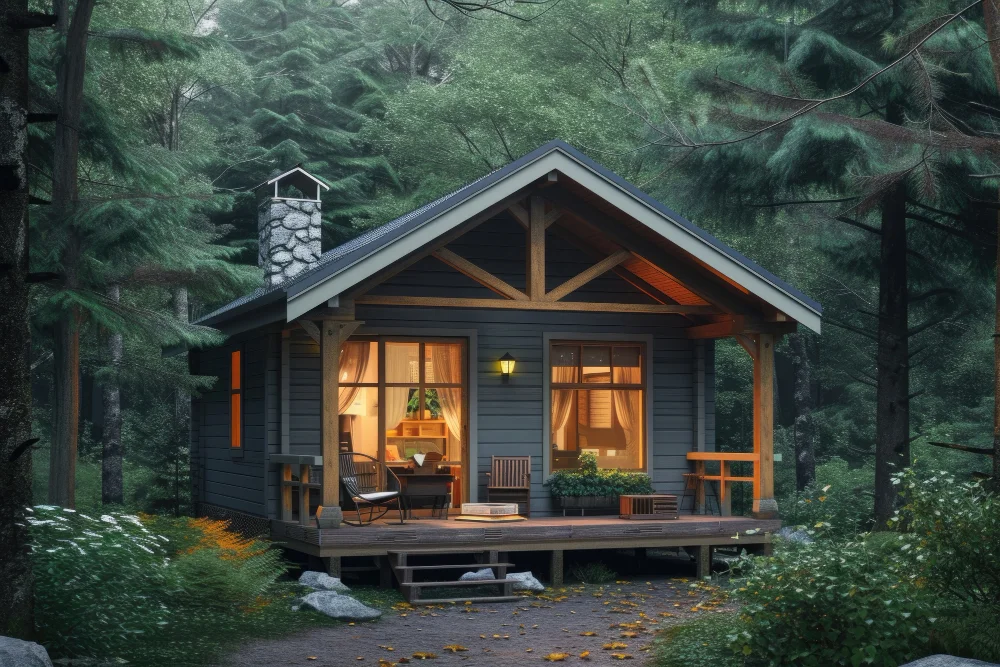
People get so caught up picking out sink faucets and loft ladders that they forget to ask the one question that actually matters. Can you live here, legally, full time, without someone showing up and telling you to move? That's the whole ballgame with a legal tiny house, and honestly a lot of buyers don't even think about it till they're already halfway through a build. Zoning laws are a patchwork mess across the country, county to county, sometimes even block to block within the same city. What's fine in one place gets you a fine, literally, two towns over. I've seen people spend fifty grand on a beautiful building and then find out they can't park it anywhere near where they actually want to live. Ask first. Build a second. Sounds obvious but people skip it constantly.
RV Certification Versus Building Code, Know The Difference
This trips up more people than almost anything else. A tiny house built to RV standards, usually through something like RVIA certification, gets treated like a recreational vehicle in the eyes of the law. That means it might be fine for camping or short term stays but not for full time living in most residential zones. A tiny house built to actual residential building code, IRC or a state specific code, gets treated more like a real dwelling, at least in places that recognize the distinction. Some states are starting to write appendix codes just for tiny homes, which helps a ton. But plenty of places still don't have clear rules either way, so you're stuck in a gray zone. Ask which code your build follows before you sign anything, not after.
Wheels Or Foundation, It Changes Everything Legally
Here's something people don't expect. Whether your tiny house sits on a trailer or a permanent foundation basically changes its entire legal category. A home on wheels usually falls under vehicle law or RV law depending on the state, which comes with its own headaches around registration and where you're allowed to park it long term. A home on a foundation gets treated more like a regular accessory dwelling unit, which some cities actually encourage now because of housing shortages. ADU friendly zoning has been growing, slowly, in a bunch of states including Colorado. If your goal is a permanent legal residence, foundation built might actually be the easier legal road, even though it means giving up the mobility part. Think about what matters more to you before deciding.
Zoning Laws Vary More Than People Realize
Every county writes its own rulebook basically, and that's the frustrating truth of it. Some counties have full blown tiny home ordinances now, spelling out minimum square footage, where you can park, how many you can have on one lot. Other counties have absolutely nothing on the books, which sounds like freedom but actually means more uncertainty, not less, because inspectors just default to whatever the closest existing rule is. Rural counties tend to be more relaxed generally, less oversight, fewer neighbors complaining. City limits are usually way stricter, especially in places already dealing with housing pressure. Call the planning department directly, don't rely on forum posts or secondhand stories from someone's cousin. Rules change year to year too, so even info from last year might already be outdated by the time you're ready to build.
Why Talking To Experts Early Saves You Headaches
This is where working with real tiny house experts actually pays for itself. Someone who's been through permitting fights before, who knows which counties are friendly and which ones will fight you every step, that knowledge is worth more than people realize going in. A lot of buyers try to DIY the legal research themselves, which is fine to a point, but county rules aren't always written clearly and sometimes contradict each other on the same website. Experienced builders usually know the workarounds too, like using it as a guest house instead of a primary residence, or building to code specifically because a certain county requires it. That kind of insider knowledge saves months of back and forth with confused permit clerks. Don't go it totally alone if you can help it.
HOA Rules Can Kill Your Plans Fast
Even if your county is totally fine with tiny homes, your neighborhood might not be. HOAs write their own restrictions separate from county zoning, and a lot of them specifically ban structures under a certain square footage or anything on wheels sitting in a driveway long term. This catches people off guard constantly, they do all the zoning research, feel good about it, then get a letter from their HOA within a month of moving in. Read the covenants before you buy land or move a build onto existing property. Some HOAs are more relaxed if the home is on a permanent foundation and looks like a normal structure from the street. Others just won't budge no matter what. It's worth a phone call before you commit to a specific lot, seriously, save yourself the fight later.
Insurance Gets Complicated With Unclear Legal Status
Insurance companies don't love ambiguity, and tiny homes create a lot of it. If your home is legally classified as an RV, you'll likely need RV insurance, which covers different things than a homeowners policy. If it's classified as a dwelling on foundation, you might qualify for something closer to standard homeowners coverage. Some insurers still just flat out refuse to cover tiny homes because they don't fit neatly into existing categories, which is annoying but common. Getting your legal classification straight first actually makes the insurance conversation way easier, insurers want clarity, not gray areas. Shop around, some smaller regional insurers are more willing to work with unconventional builds than the big national names. Don't skip insurance just because it's confusing, that's exactly when you need it most.
Full Time Living Restrictions You Should Know About
Some jurisdictions technically allow tiny homes but restrict how many days a year you can actually live in one full time. This shows up more in vacation heavy areas or places worried about it becoming a workaround for regular zoning. Others require the home be tied to a primary residence on the same lot, meaning you can't just plop a tiny house on raw land and live there solo, at least not without additional permits. Some places require minimum lot sizes specifically for accessory structures too, which catches people off guard if they bought a small parcel expecting flexibility. Always ask about occupancy restrictions specifically, not just whether tiny homes are allowed in general, because allowed and livable full time are sometimes two very different answers on paper.
Financing Depends Heavily On Legal Classification
Banks care a lot about legal status when it comes to loans, more than people expect going in. A tiny home classified as personal property, like an RV, usually needs a personal loan or RV loan, different terms, different rates, usually shorter repayment windows. A tiny home on a permanent foundation classified as real property might qualify for more traditional financing, sometimes even a regular mortgage depending on the lender and location. This is part of why the legal question matters so much before you even start designing, it shapes how you're going to pay for the thing. Talk to a lender early, before you've picked finishes or floor plans, so you know what kind of build actually fits your financing reality. Skipping this step is how people end up stuck mid project.
Bottom Line, Do The Legal Homework First
Building small doesn't mean the legal side gets small too, if anything it gets more complicated because the rules just aren't standardized yet across the country. Zoning, building code, HOA restrictions, insurance, financing, they all tangle together and one wrong assumption early on can derail the whole project. Working with genuine tiny house experts from the start, people who've actually navigated permitting fights and know which counties are workable, makes a real difference in how smooth this goes. Call your local planning office before anything else. Read your HOA covenants twice. Ask lenders what they'll actually finance before falling in love with a floor plan. It's not the fun part of the process, nobody dreams about zoning calls, but it's the part that determines whether you're living in your tiny house legally or constantly looking over your shoulder.