Sign up with Google
 Sign in with Zoho

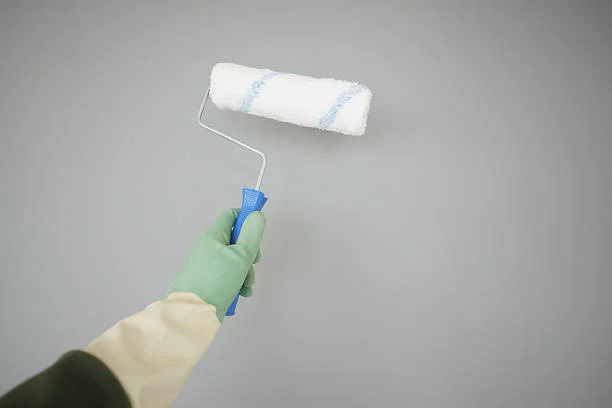
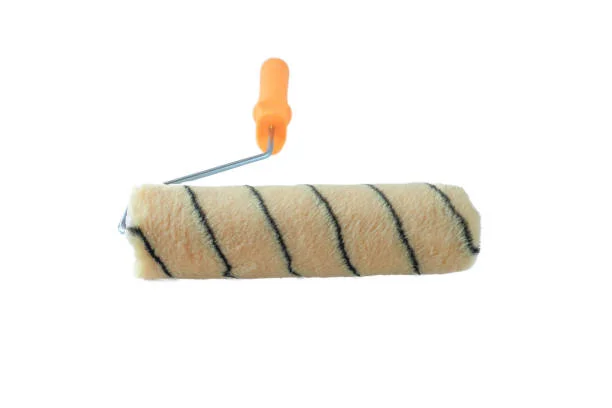
Most guys on a jobsite reach for the biggest roller they’ve got. Faster coverage, fewer passes, get in and get out. Makes sense… until it doesn’t. There’s a point where big tools just start getting in your way, especially on tight, detailed work. That’s where a 4 inch roller cover starts to earn its keep. Not flashy. Not fast. But man, it gets things right. And in this line of work, “right” usually matters more than “fast,” whether people admit it or not.
Why Bigger Isn’t Always Better
There’s this idea that wider rollers automatically mean better productivity. Sometimes true, sure. Open walls, big ceilings, warehouse floors — go big. But trim areas, cabinets, doors, railings… that’s a different game. A full-size roller starts dragging paint where it shouldn’t, bumping edges, leaving uneven pressure marks. You spend more time fixing than painting. That’s the part nobody likes to talk about. Smaller rollers don’t fight you. They follow your hand better. Less wobble, more control. It’s not about speed anymore, it’s about accuracy.
The Control Factor You Don’t Notice Until It’s Gone
You don’t really think about control until you lose it. Ever try rolling a narrow door frame with a 9-inch sleeve? Yeah, not fun. You’re constantly adjusting your wrist, trying not to hit adjacent surfaces. With a 4-inch mini roller, that problem basically disappears. You get tighter movement, cleaner lines, and honestly, less fatigue. It’s subtle at first. Then after a full day, you feel the difference in your hands and shoulders. Smaller tool, less strain. Pretty simple.
Where Small Rollers Actually Shine
There are certain jobs where downsizing just makes sense. Cabinet faces, for one. You need even coverage but can’t afford heavy buildup. Small rollers spread coatings thinner and more evenly, especially with enamels or urethanes. Same with doors — flat panels, recessed sections, all those little transitions. A big roller floods those areas too easily. A smaller one lets you stay in control of the film thickness. Even on touch-ups, it’s cleaner. Less overspray feel, less mess overall.
Better Finish Quality (Yeah, It Shows)
Let’s be real here. Customers notice finish quality way more than they notice how fast you worked. A smoother, more even coat with minimal lap marks? That sticks out. Small rollers, especially paired with the right nap, tend to lay down coatings more consistently on detailed surfaces. Less pressure variation, fewer streaks. You’re not overworking the paint either. That’s a big one. Over-rolling is what kills a clean finish half the time. Smaller rollers naturally slow you down just enough to avoid that.
Material Matters Just As Much As Size
Not all mini rollers are created equal. Cheap ones? They shed, they mat down, they don’t hold paint right. You end up reloading constantly, which defeats the purpose. A good-quality 4-inch sleeve with the right fabric makes a big difference. Microfiber for smooth finishes, woven for slightly rougher textures. It’s not complicated, but people skip this step all the time. Then they blame the tool. Nah — it’s the setup.
When NOT to Use a Small Roller
Alright, let’s not pretend small rollers solve everything. They don’t. Large walls, exterior siding, anything with wide open space — you’ll just waste time. That’s not what they’re built for. Trying to force a small roller into a big-job role is just as bad as using a big one for detail work. You’ve gotta match the tool to the job. Sounds obvious, but you’d be surprised how often it gets ignored.
Pairing Tools for the Best Results
Here’s where things get practical. Most pros don’t rely on just one tool. You mix it up. Big roller for coverage, small roller for detail, brush for edges. Speaking of brushes, having chip brushes in bulk around isn’t a bad move either. They’re cheap, disposable, and perfect for quick touch-ups or tight spots where even a mini roller can’t reach. Not everything needs a premium brush. Sometimes you just need something that gets the job done and gets tossed after.
Efficiency Isn’t Just About Speed
People get stuck on speed like it’s the only metric that matters. It’s not. Efficiency is about how cleanly you can finish a job without rework. Every time you fix a drip, smooth a streak, or repaint an edge you hit by accident — that’s lost time. Small rollers help cut that down. You might move slower in the moment, yeah. But you finish faster overall because you’re not going back over mistakes.
Conclusion
At the end of the day, smaller rollers aren’t some secret weapon. They’re just… the right tool for certain jobs. And knowing when to switch — that’s where experience shows. A 4 inch roller cover isn’t going to replace your standard setup, and it shouldn’t. But for precision work, tight areas, and cleaner finishes, it does things bigger rollers can’t. Simple as that. Use it where it makes sense. Skip it where it doesn’t. That’s how you work smarter, not just harder.