Sign up with Google
 Sign in with Zoho
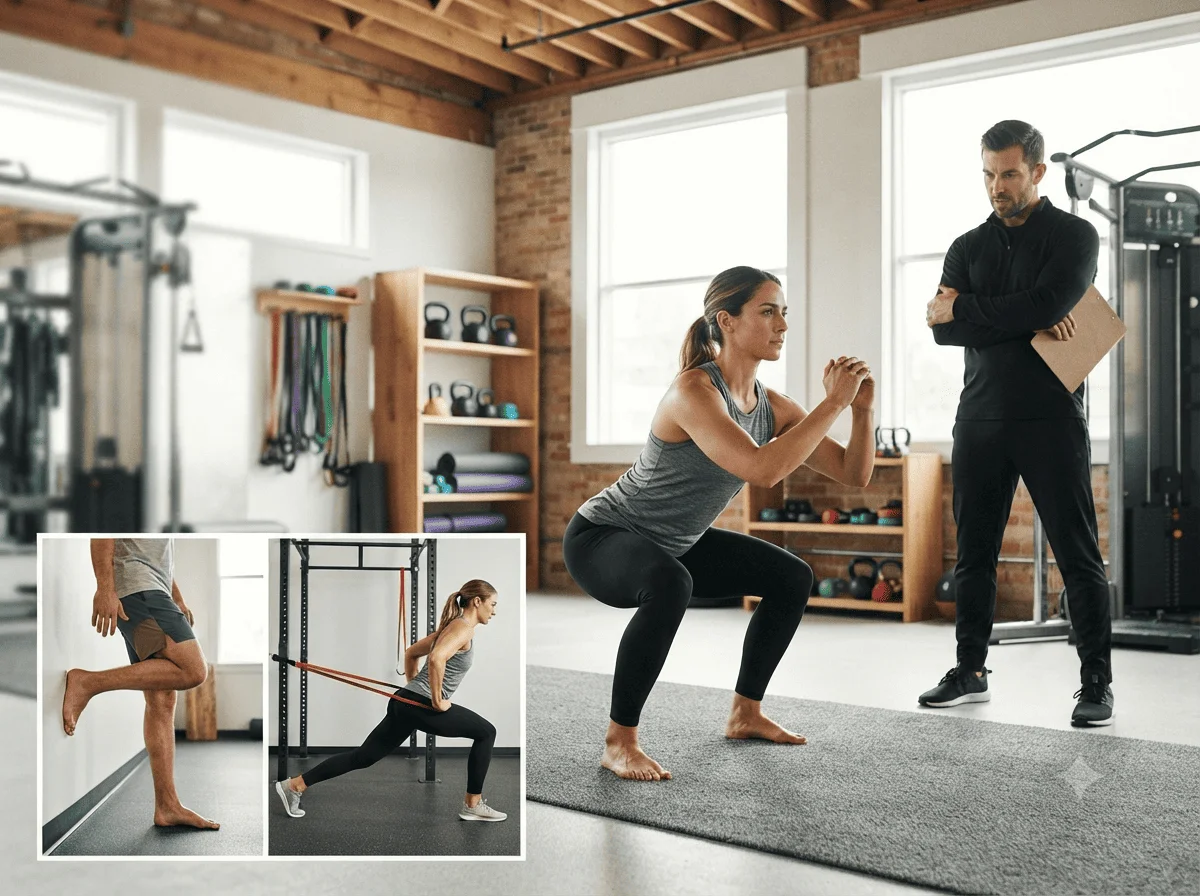
Ever noticed how some people can squat comfortably while others struggle to get past halfway? We might blame strength, balance or even poor technique, but there is another piece of the puzzle... mobility. When learning through a Certificate IV in Fitness Perth, understanding how the hips and ankles move helps us see why a squat feels easy for one person and frustrating for another. These two joints play a big part in how smoothly we lower ourselves, stay balanced and push back up.
Let us look at what is really happening during a squat and why these areas deserve more attention.
Why Do Hips Matter During a Squat?
Think about what happens when we sit down on a chair and stand back up. Our hips bend, our knees move and our body adjusts to stay balanced. A squat follows a similar movement pattern, just with more control and effort.
The hips need enough mobility to bend and allow the thighs to move towards the torso. If that movement feels restricted, we may notice our lower back rounding, our chest dropping forward or our knees moving in ways that make the exercise uncomfortable.
Hip mobility also affects squat depth. Someone with good hip movement can often reach a comfortable depth without forcing their body into an awkward position.
But remember, deeper is not always better. The goal is to find a depth that suits the person's body, control and current ability.
How Ankle Mobility Changes Squat Position
Here is something we often overlook... the ankles.
When we squat, our knees need to travel forward while our heels remain on the floor. This requires ankle dorsiflexion, which is simply the ability to bring the front of the foot closer to the shin.
When ankle movement is limited, things can get a little tricky.
A person might lift their heels, lean their chest too far forward or struggle to keep their balance. Some people even cut their squat short without realising what is causing the problem.
Good ankle mobility allows the knees to move naturally and makes it easier to maintain a steady position throughout the exercise.
What Happens When Hip and Ankle Mobility Are Limited?
Restricted movement does not mean someone cannot squat. It simply means their body may find another way to complete the exercise.
For example, limited ankle movement might cause excessive forward leaning. Restricted hip movement may lead to changes in pelvic position or reduced squat depth.
These adjustments are not automatically signs of poor technique. We need to look at the person's overall movement, comfort and control before deciding what needs attention.
This is an important skill for anyone studying a Personal Training course Perth, because every client brings a different movement pattern to the gym. A squat that works well for one person may need a few adjustments for someone else.
Simple Ways to Improve Hip and Ankle Mobility
The good news? Mobility work does not need to be complicated or take up half a workout.
Here are a few movements worth including in a regular training routine:
- Deep squat hold: Sit into a comfortable squat position and hold it while keeping your feet grounded. Use support if needed.
- 90/90 hip rotations: Sit with both knees bent at different angles and gently move from one side to the other.
- Ankle knee-to-wall drill: Place one foot near a wall and gently move the knee towards it without lifting the heel.
- Hip flexor stretch: Use a half-kneeling position and gently move your hips forward while keeping your torso upright.
- Calf stretches: Place your hands against a wall, step one foot back and gently stretch the calf.
Start slowly. There is no need to push into pain or force a position your body is not ready for.
How Better Mobility Supports Lower-Body Performance
Squats are not just about getting lower. They involve coordination, control, balance and strength working together.
When the hips and ankles move comfortably, it becomes easier to maintain a suitable body position and complete each repetition with control. This can also help during other lower-body exercises, including lunges, step-ups and split squats.
And here is the interesting part... mobility and strength should work together. Stretching alone will not automatically improve squat performance. We also need to build strength through the available range of movement.
A combination of controlled mobility drills, resistance training and good exercise technique can make a noticeable difference over time.
Final Thoughts
A comfortable squat starts with more than strong legs. The hips and ankles both influence how we move, how we maintain balance and how well we control the exercise.
Rather than forcing everyone into the same squat position, we should pay attention to individual movement needs. A little mobility work, the right exercise adjustments and consistent practice can go a long way.
After all, better movement is not about chasing a perfect-looking squat. It is about helping the body move with confidence.
Frequently Asked Questions
1. Why is hip mobility important for squats?
Hip mobility allows the thighs to move towards the torso during a squat. It helps people reach a comfortable depth while maintaining control and a suitable body position.
2. Can tight ankles affect squat depth?
Yes. Limited ankle dorsiflexion can make it difficult for the knees to move forward while keeping the heels on the floor. This may affect balance and reduce comfortable squat depth.
3. How often should we practise hip and ankle mobility exercises?
Mobility exercises can be included several times a week. Short sessions before or after workouts are a useful starting point, depending on individual needs.
4. Does poor ankle mobility cause heels to lift during squats?
It can. When the ankles cannot bend enough, the heels may lift to help the body reach a lower position. Footwear, balance and technique can also influence this.
5. Can mobility exercises improve overall lower-body strength?
Mobility exercises can help improve movement quality, but they do not replace strength training. Combining mobility work with squats, lunges and other resistance exercises supports better overall lower-body performance.







.webp)