Sign up with Google
 Sign in with Zoho

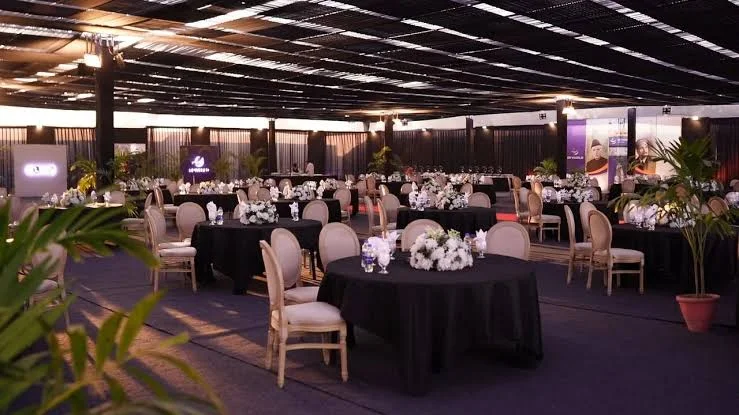
Islamabad's event scene carries a different weight than Karachi's or Lahore's. Government proximity, diplomatic functions, and a growing corporate sector mean planners here often work within constraints that don't exist in other cities: security clearances, protocol-sensitive venues, and audiences that expect a more formal execution standard. This context changes what "good" actually looks like when evaluating a planner.
Understanding Protocol Isn't Optional
Events involving senior government attendees, diplomatic guests, or certain public venues in Islamabad often require security coordination and formal permissions that need lead time, which most first-time organizers underestimate. Planners genuinely experienced in the city build this into the timeline from the start, rather than treating it as a late-stage administrative task. This single factor often separates planners who've truly worked in Islamabad from those applying a generic approach borrowed from another market.
Venue Matching Requires Local Judgment
Islamabad's venue landscape splits between corporate focused hotel ballrooms and business centers, and more formal, protocol-sensitive spaces suited to diplomatic or government-linked functions. A planner unfamiliar with this split might suggest a venue that looks impressive on paper but doesn't fit the audience or the formality the event requires. Local judgment here isn't a nice-to-have; it directly affects how the event is received.
Timelines Run Longer Than Clients Expect
A realistic planning window for a mid-sized corporate event in Islamabad typically runs six to eight weeks, longer if permissions or diplomatic coordination are involved. Planners who've worked in the city long enough communicate this clearly upfront instead of promising compressed timelines that later force cut corners on fabrication, staffing, or contingency planning.
Staffing Needs Scale Faster Than Expected
Conferences, product launches, and multi-session corporate events need more coordination staff than most clients initially budget for: registration management, floor coordinators, AV technicians on standby, and hospitality staff for VIP or diplomatic guests where relevant. Experienced planners flag this early rather than letting clients discover the gap on event day, when it's far too late to fix.
Reporting Has Become the Standard, Not the Exception
Corporate clients increasingly expect measurable outcomes from their events: attendance against invitations, media coverage, lead capture where relevant, and post-event feedback. Planners who build measurement into the process from the start, rather than reconstructing it afterward, tend to deliver far more useful data to the teams paying for the event.
Why This Matters When You're Choosing a Planner
If you're evaluating options for an upcoming corporate event in Islamabad, ask directly about their experience with permissions, their realistic timeline expectations, and how they handle staffing at scale. Marcem Events, which has executed corporate events across the city, is a useful reference point for what a properly scoped process looks like.
Final Thought
Islamabad's corporate events carry more procedural weight than most cities in Pakistan. Planners who understand this and build it into their process rather than treating it as an afterthought tend to deliver noticeably smoother events than those who don't.