Sign up with Google
 Sign in with Zoho

Most people planning an event for the first time have two questions that never get answered clearly: how far in advance should I actually start, and where does the budget usually go wrong? The answers depend heavily on what kind of event it is a birthday party and a corporate product launch don't share a timeline, a budget structure, or even the same list of common mistakes.
Here's a practical, by-occasion breakdown.
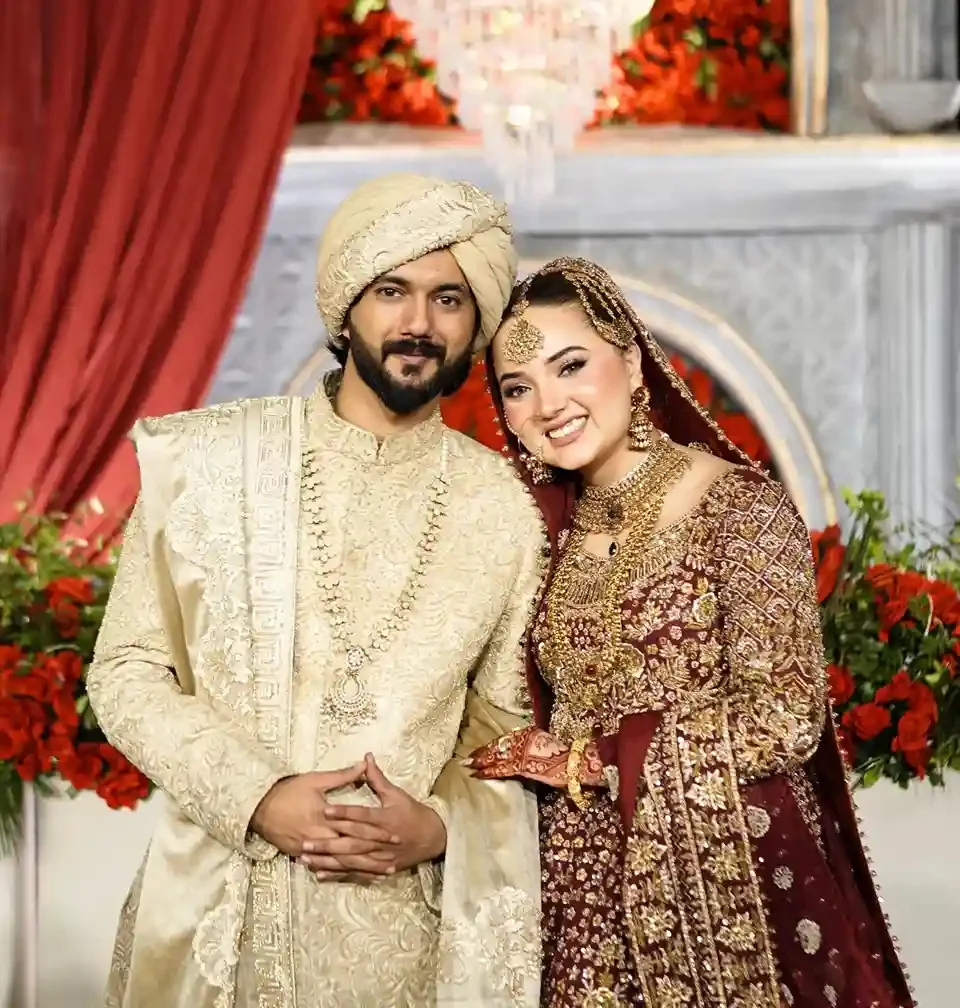
Weddings (Mehndi, Baat Pakki, Mayoun, Nikkah, Walima, Engagement)
Timeline: For a full multi-function wedding, 4-6 months out is realistic. Venues and the best event planner in Karachi book up fast during peak wedding season (roughly October through March).
Where budget usually goes: Décor and venue typically take the largest share, followed by catering. Photography and entertainment are often underbudgeted early and squeezed in later.
Common mistake: Locking in décor and venue before finalizing the guest count, which forces awkward last-minute adjustments to both.
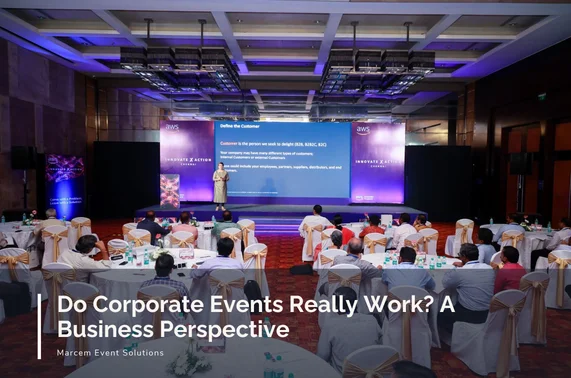
Corporate Events (Conferences, Launches, Award Ceremonies, Dinners)
Timeline: 6-8 weeks for a mid-size event is the realistic minimum; larger conferences with multiple sessions or external speakers need 3+ months for scheduling alone.
Where budget usually goes: Venue and catering combined usually account for over half the budget, with AV/production next and AV is the category most likely to be underestimated if the event includes any kind of stage presentation or live demo.
Common mistake: Skipping a proper run-of-show rehearsal, which is where timing issues (a speaker running long, an award sequence that doesn't flow) actually surface usually too late to fix smoothly on the day itself.
Trade Shows & Exhibitions
Timeline: Booth fabrication and design work needs 6-10 weeks lead time depending on complexity this is the category most often planned too close to the event date.
Where budget usually goes: Fabrication and booth design dominate, followed by trained staffing for the booth itself.
Common mistake: Investing heavily in booth design without a clear plan for what happens once someone walks up, no lead capture process, no trained talking points, no follow-up system.
Brand Activations
Timeline: 6-8 weeks minimum, longer if the activation involves custom fabrication or a multi-city rollout.
Where budget usually goes: Concept and design work upfront, then execution/staffing on the day activations tend to fail not from lack of budget but from spending too much on concept and too little on trained on-ground execution.
Common mistake: Designing for how the activation looks in photos rather than how it actually performs with a live, moving crowd.
Catering (Standalone or as Part of a Larger Event)
Timeline: Menu finalization 3-4 weeks out, with a tasting session before that rushed catering decisions are one of the most common sources of last-minute stress.
Where budget usually goes: Per-head cost scales with menu complexity and live-counter options; service staff ratio is the line item most often cut to save money, which is usually a mistake at guest counts above 150-200.
Common mistake: Not accounting for guest flow, a buffet that works for 80 guests creates bottlenecks at 400 without adjusted staffing and station count.
Private Celebrations (Birthdays, Baby Showers, Anniversaries)
Timeline: 3-4 weeks is usually sufficient, though popular venues and dates (weekends, holidays) need earlier booking.
Where budget usually goes: Décor and theming usually take priority here since these events are personal and detail-driven; catering scales down with guest count more predictably than in larger events.
Common mistake: Underestimating how much a specific, personalized theme costs versus a generic package customization is where costs creep up fastest.
Government & Institutional Events
Timeline: Often needs the longest lead time of any category, since approval chains and vendor documentation requirements add weeks before actual planning can even start.
Where budget usually goes: Security, protocol-compliant seating/staging, and formal documentation add costs that don't appear in a typical private-event budget.
Common mistake: Underestimating how much time approvals take and compressing the actual execution timeline as a result.
The Pattern Across All of Them
Every category above has a different timeline and cost structure, but the mistakes are almost always the same shape: starting later than the event actually requires, and treating the budget as fixed line items instead of leaving room for the one or two things that always shift once planning is underway.
Karachi has no shortage of event planners, but experience across various event types, a dedicated execution team, and established venue relationships are what actually determine whether your event runs smoothly or turns into a stressful experience.