Sign up with Google
 Sign in with Zoho
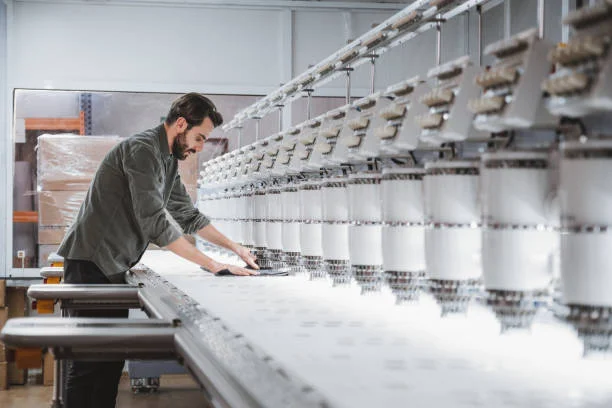
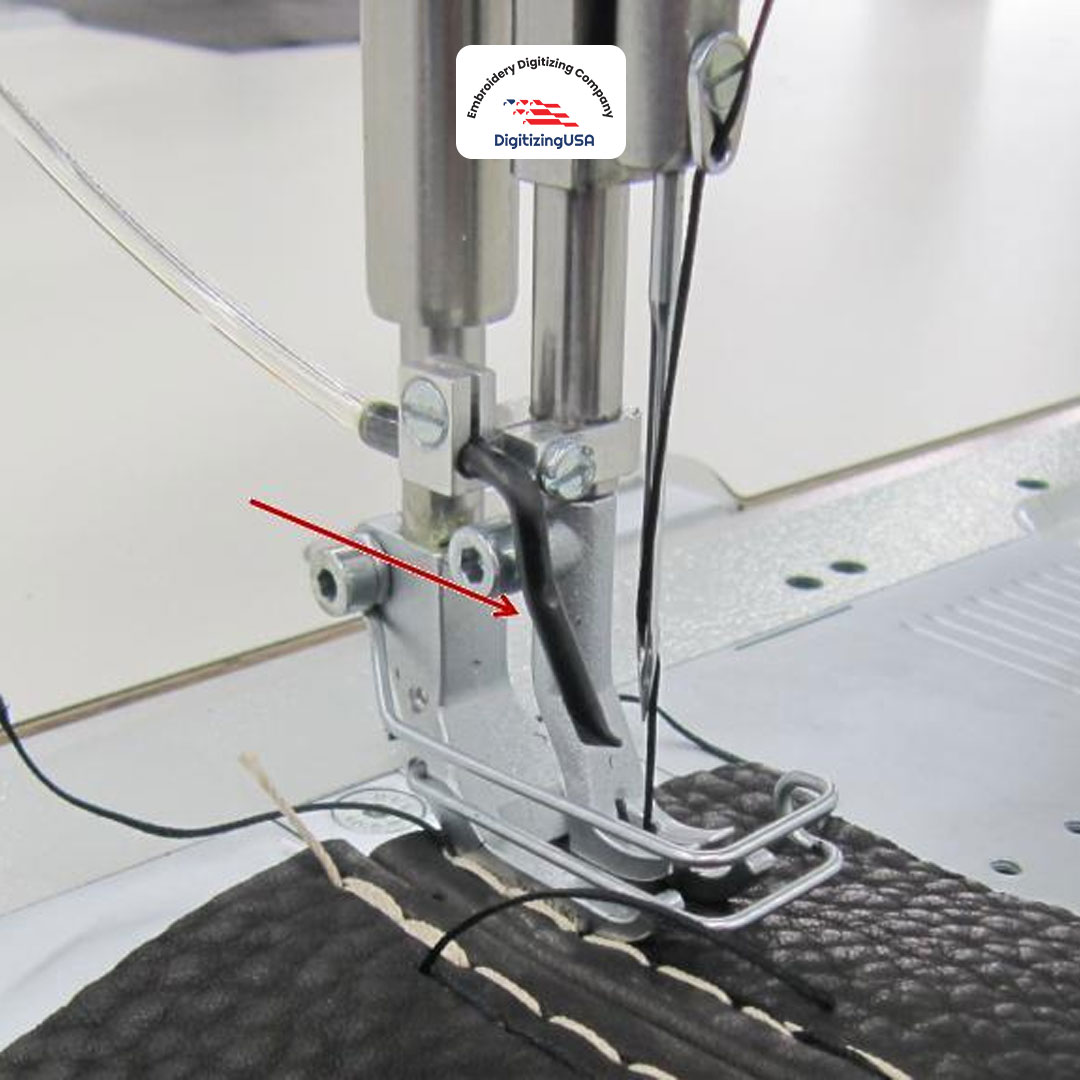
Embroidery digitizing is a creative and technical process that transforms artwork into stitch-ready designs. However, even the most beautifully digitized design can turn into frustration when thread keeps breaking during the stitching process. The issue of thread breaking Embroidery Digitizing is one of the most common challenges faced by both beginners and professionals.
If you’ve ever experienced repeated thread breaks, machine stops, or uneven stitching, you’re not alone. The good news is that most thread breaking problems can be identified and fixed with the right knowledge and approach. In this guide, we’ll explore the causes, solutions, and expert tips to help you achieve smooth and flawless embroidery.
What is Thread Breaking in Embroidery Digitizing?
Thread breaking occurs when the embroidery thread snaps or cuts during the stitching process. This interrupts the machine, affects design quality, and increases production time.
In the context of thread breaking Embroidery Digitizing, the issue is often not just mechanical—it can also be related to how the design was digitized. Poor stitch settings, incorrect density, or improper sequencing can all lead to excessive stress on the thread.
Common Causes of Thread Breaking
Understanding the root cause is the first step toward solving the problem. Let’s break down the most common reasons behind thread breaking.
1. Poor Digitizing Quality
One of the biggest causes of thread breaking is poorly digitized designs. If stitch density is too high, the needle will struggle to pass through thick layers of thread, causing it to snap.
2. Incorrect Thread Tension
Thread tension that is too tight puts stress on the thread, making it more likely to break. On the other hand, loose tension can cause looping and uneven stitching.
3. Low-Quality Thread
Using cheap or old thread can result in frequent breakage. High-quality threads are designed to withstand the speed and friction of embroidery machines.
4. Needle Issues
A dull, bent, or incorrect needle can damage the thread. The wrong needle size for your fabric or thread type can also cause problems.
5. Machine Speed Too High
Running the machine at very high speeds increases friction and heat, which can weaken and break the thread.
6. Improper Thread Path
If the thread is not properly threaded through the machine, it can snag or create uneven tension, leading to breakage.
7. Fabric and Stabilizer Problems
Using the wrong stabilizer or fabric can create resistance during stitching, increasing the chances of thread breaking.
How Embroidery Digitizing Affects Thread Breaking
Many people overlook the role of digitizing in thread break issues. In thread breaking Embroidery Digitizing, the way a design is created directly impacts how smoothly it will stitch.
Here are some digitizing factors that can cause problems:
- High Stitch Density: Too many stitches in a small area create excessive friction
- Poor Underlay Settings: Lack of proper foundation can destabilize stitches
- Sharp Angles and Jumps: Sudden direction changes increase thread stress
- Incorrect Stitch Types: Using the wrong stitch type for a design element
A well-digitized design ensures smooth thread flow and reduces unnecessary strain on the machine.
Effective Solutions to Prevent Thread Breaking
Now that we understand the causes, let’s look at practical solutions to fix and prevent thread breaking issues.
1. Improve Digitizing Quality
Always use well-digitized files. Adjust stitch density, underlay, and stitch direction to reduce stress on the thread.
2. Adjust Thread Tension
Check and balance your machine’s thread tension. Test on scrap fabric before starting the final design.
3. Use High-Quality Thread
Invest in good-quality embroidery thread. It may cost more, but it saves time and prevents frustration.
4. Replace Needles Regularly
Change needles after every project or when you notice wear. Use the correct needle size for your fabric and thread.
5. Reduce Machine Speed
Lowering the speed can significantly reduce friction and heat, helping the thread last longer.
6. Check Threading Path
Ensure the thread is correctly placed through all guides and tension discs. Even a small mistake can cause issues.
7. Use Proper Stabilizers
Choose the right stabilizer based on your fabric type to provide proper support during stitching.
Expert Tips for Smooth Embroidery
To master thread breaking Embroidery Digitizing, follow these expert tips:
- Always Test Designs: Run a sample before production
- Keep Your Machine Clean: Dust and lint can affect performance
- Use the Right Bobbin Thread: Mismatched threads can cause tension problems
- Monitor During Stitching: Stay alert to catch issues early
- Store Threads Properly: Keep them away from moisture and sunlight
Signs Your Design Needs Improvement
Sometimes the problem isn’t your machine—it’s the design itself. Watch out for these warning signs:
- Frequent thread breaks in the same area
- Excessive machine noise during stitching
- Fabric puckering or distortion
- Uneven or bulky stitches
If you notice these issues, it’s time to revisit your digitizing settings.
Why Solving Thread Breaking Matters
Thread breaking doesn’t just slow down your work—it affects the overall quality of your embroidery. Repeated stops can lead to visible flaws, inconsistent stitching, and wasted materials.
By addressing thread breaking Embroidery Digitizing issues, you can:
- Improve productivity
- Enhance design quality
- Reduce machine wear and tear
- Increase customer satisfaction
Beginner vs. Professional Approach
Beginners often focus only on the machine, while professionals understand that embroidery is a combination of multiple factors—digitizing, materials, and machine settings.
Professionals take a balanced approach by:
- Using high-quality digitized files
- Maintaining their machines regularly
- Testing designs before production
- Continuously improving their techniques
Conclusion
Thread breaking can be frustrating, but it is not an unsolvable problem. By understanding the causes and applying the right solutions, you can overcome thread breaking Embroidery Digitizing challenges and achieve smooth, professional results.
Remember, embroidery is both an art and a science. Paying attention to details like thread quality, digitizing accuracy, and machine settings can make all the difference.
With the right approach, you can turn thread breaking from a constant issue into a rare occurrence—and enjoy the process of creating beautiful embroidery designs without interruption.