Sign up with Google
 Sign in with Zoho

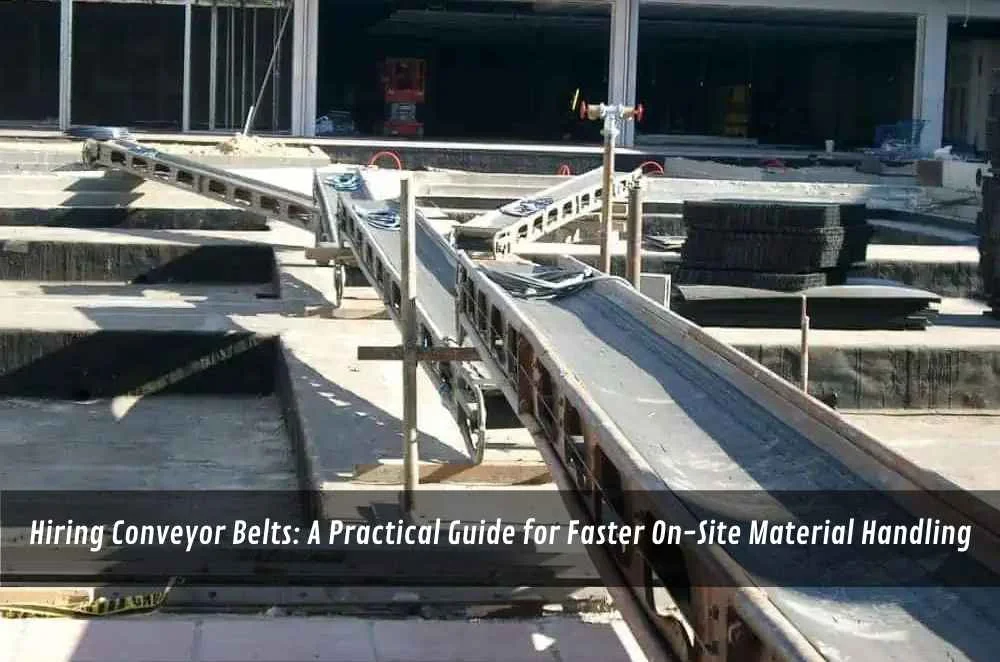
Moving bricks, soil or demolition rubble the old-fashioned way eats into labour hours and saps energy. Portable conveyor belts change that equation, shifting tonnes in minutes and keeping crews productive. Still, many foremen hesitate—should you invest in a conveyor outright or simply rent one for the duration of the job?
The Heavy Lifting Problem on Busy Job Sites
Think of a multi-storey renovation in Parramatta or a landscaping overhaul in regional Victoria. Material must travel from ground level to skips, utes or upper floors without slowing the schedule. Manual barrow runs are reliable but painfully slow, while craning comes with hefty mobilisation fees and weather delays. Portable conveyors bridge the gap: light enough to wheel through tight access, yet strong enough to move aggregate, tile adhesive bags and everything in between.
If your team needs this flexibility for only a few days or weeks, outright purchase ties up capital and adds maintenance headaches. That’s where reputable conveyor belt hire options stand out—equipment arrives site-ready, is collected when you’re done, and you pay only for the period you actually need it.
Why Hiring Beats Buying for Most Projects
Ownership makes sense for companies running conveyors day-in, day-out. Everyone else tends to save money by hiring. Purchase prices can run into tens of thousands once you factor in duty ratings, extensions and guarding. Hire fees, on the other hand, fall neatly into project budgets and are fully tax deductible as operating expenses rather than depreciating assets.
Transport is another hidden cost when you buy. Conveyors longer than three metres don’t fit in a standard ute, so you’re up for tilt-tray deliveries each time the unit moves between sites. Hire partners usually bundle freight into the weekly rate or offer discounted metro runs.
Finally, downtime risk shifts to the rental company. If an electric motor trips, a quick call brings a swap-over unit, sparing your programme from costly slips.
Key Checks Before You Book a Conveyor
You still need to tick off a few details to avoid last-minute hiccups:
- Site access width and gradient—measure doorways, scaffolding stairs and ramps.
- Material throughput—estimate kilos per hour and pick a belt speed to match.
- Power supply—most site conveyors run 240 V, but high-torque jobs may need 415 V three-phase.
- Discharge height—ensure the conveyor rests securely against skips or upper decks without makeshift props.
For a deeper dive into sizing and setup, the company’s recent article on choosing the right conveyor walks through real-world examples and a handy checklist.
Keeping Your Crew Safe Around Portable Conveyors
Conveyors may look harmless compared with cranes, yet pinch points and electrical leads still pose risks. The national Safe Work Australia guidance highlights the importance of guarding return rollers, locking out power before cleaning and keeping walkways clear of spilt material. Simple add-ons—such as emergency stop lanyards and spill trays—cut incidents to near zero.
Training counts too. Spend fifteen minutes onboarding new labourers: show start-up checks, correct loading angles and the right PPE. When everyone follows one method, belts last longer and claims stay off the books.
Where Professional Support Adds Real Value
A good hire partner doesn’t just drop gear at the gate. They’ll:
- Suggest the optimum belt width so you don’t overload.
- Supply extra linkable sections when stockpiles creep further away mid-project.
- Provide 24/7 breakdown swaps, keeping you on schedule during critical pours or night shifts.
These add-ons might look modest on the quote, yet they avoid stacked labour idle time worth far more than the gear itself.
Finishing a build under budget often boils down to dozens of such marginal gains. Renting the right conveyor at the right moment is one of the easiest wins available.
What length conveyor belts can you hire?
Most rental fleets stock 3 m, 4.5 m and 6 m modules that link in series. Longer runs are built by daisy-chaining units with safety relays.
How much weight can portable conveyors handle?
Standard aluminium frames cope with roughly 50–60 kg per linear metre. Heavy-duty steel units push higher, but confirm with the hire desk for dense aggregates.
Can I run several conveyors in series?
Yes, purpose-made link cables keep motors synchronised. Check total amperage before plugging multiple belts into one circuit.
Do I need special power to run an electric conveyor?
Most site conveyors operate on a 10 A single-phase lead. Larger widths or steep inclines may require 15 A or three-phase outlets—double-check well before concrete day.